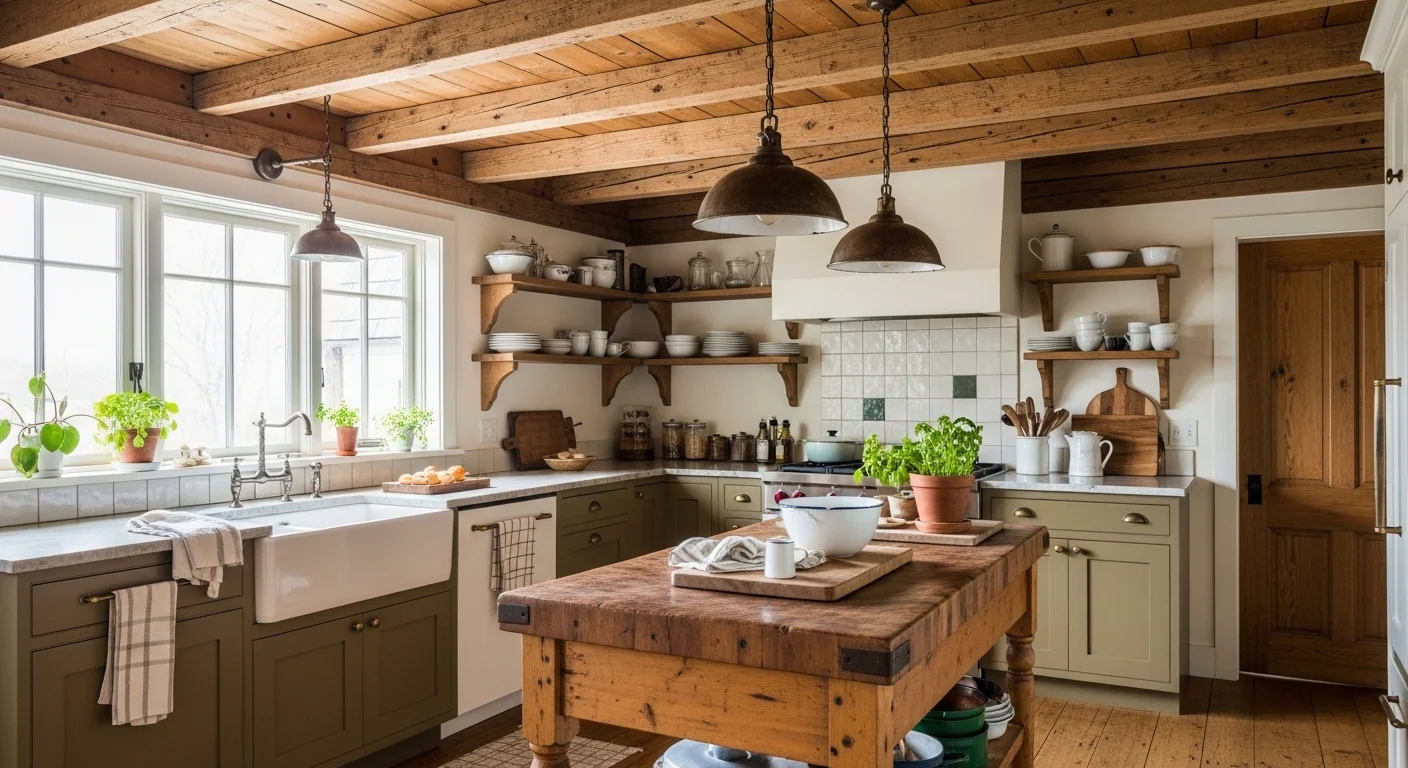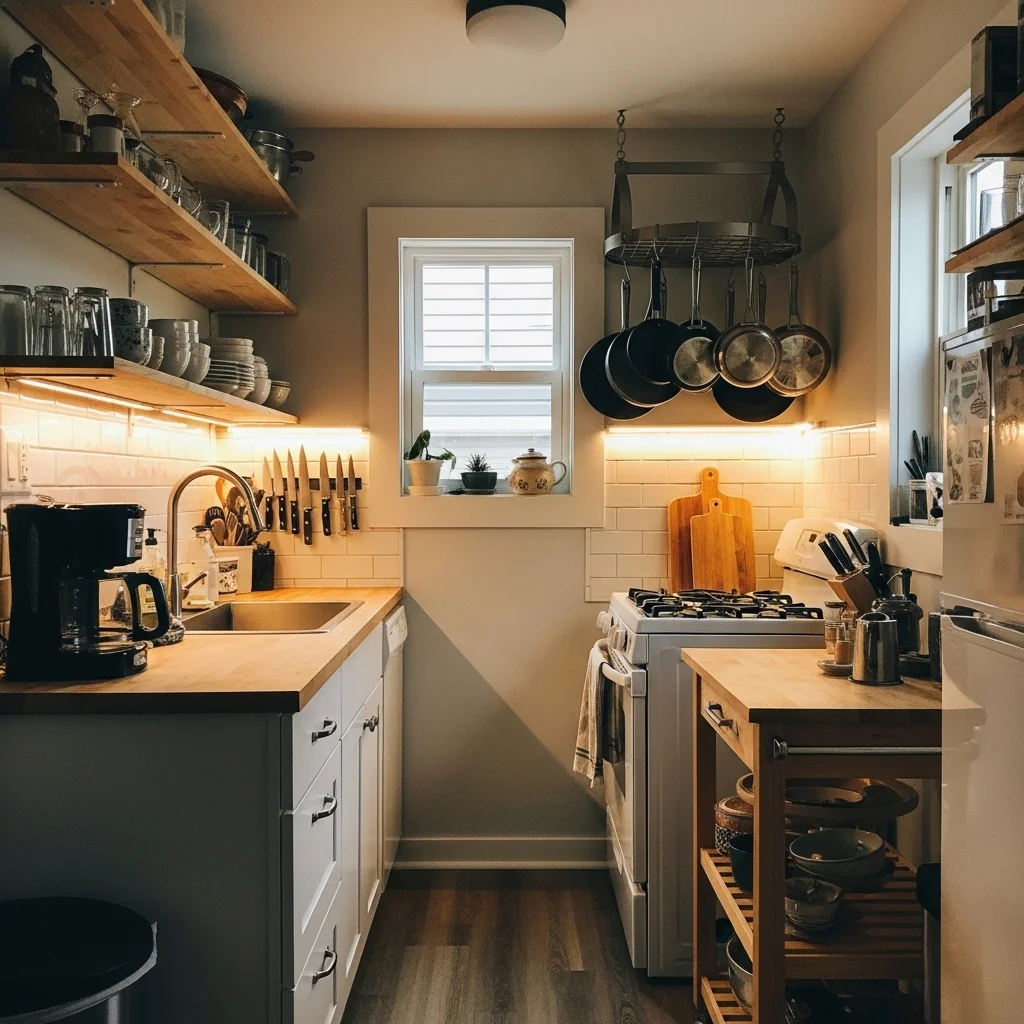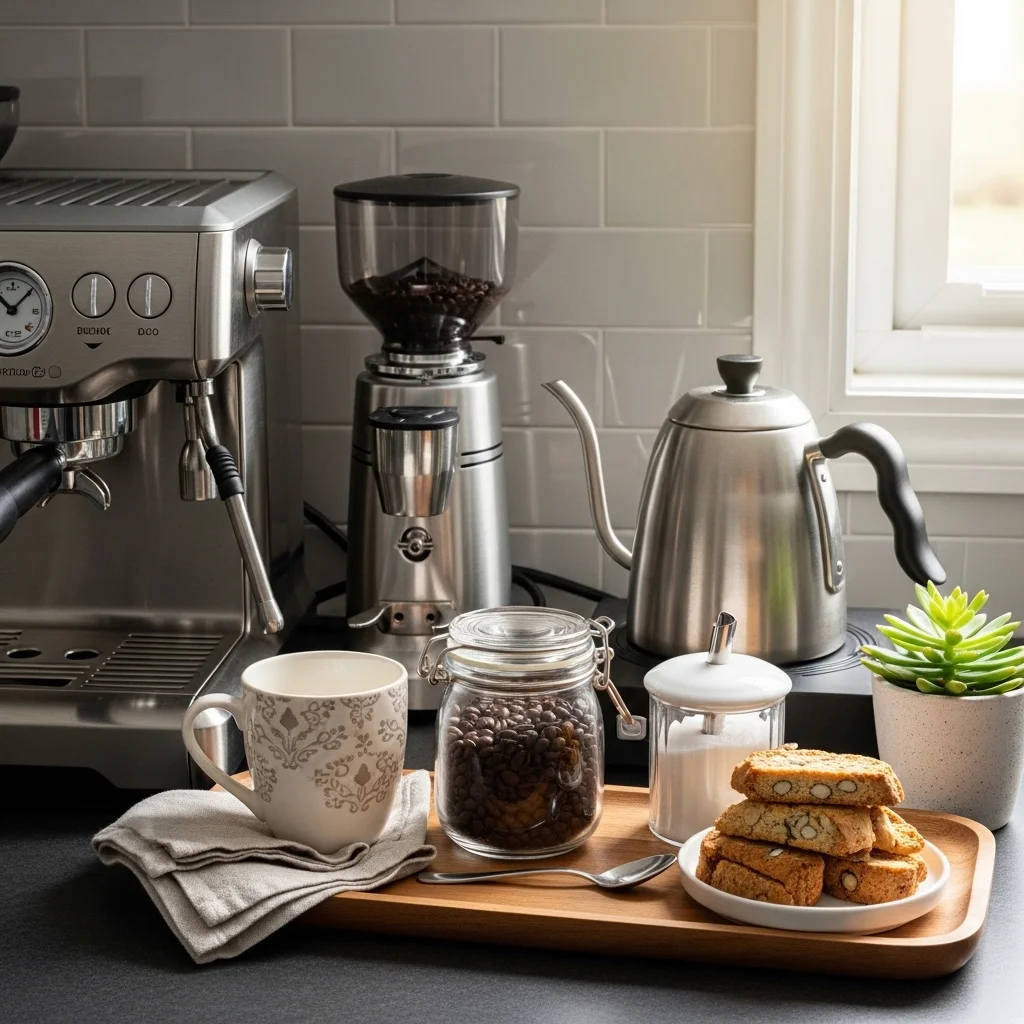
There’s a specific kind of magic that happens when you walk into a kitchen that feels lived-in and loved. It isn’t necessarily about brand-new stainless steel or smart appliances that talk to your phone. Sometimes, it’s about the weight of a cast-iron skillet in your hand, the pattern of a chipped enamel mug, or the way light catches on open shelves filled with glass jars.
I spent years chasing perfection in home design before I realized my own kitchen felt colder than a showroom because everything matched too well. Once I started hunting for pieces with stories—some from estate sales, some handed down from my grandmother the room finally felt like mine. Creating a vintage-inspired kitchen isn’t about replicating a museum exhibit; it’s about blending the warmth of the past with the convenience of the present.
Whether you’re restoring an old farmhouse or trying to soften the edges of a sterile modern build, here are ten proven strategies to infuse your culinary space with character, history, and genuine charm.
1. Choose Appliances That Tell a Story (But Keep Them Safe)
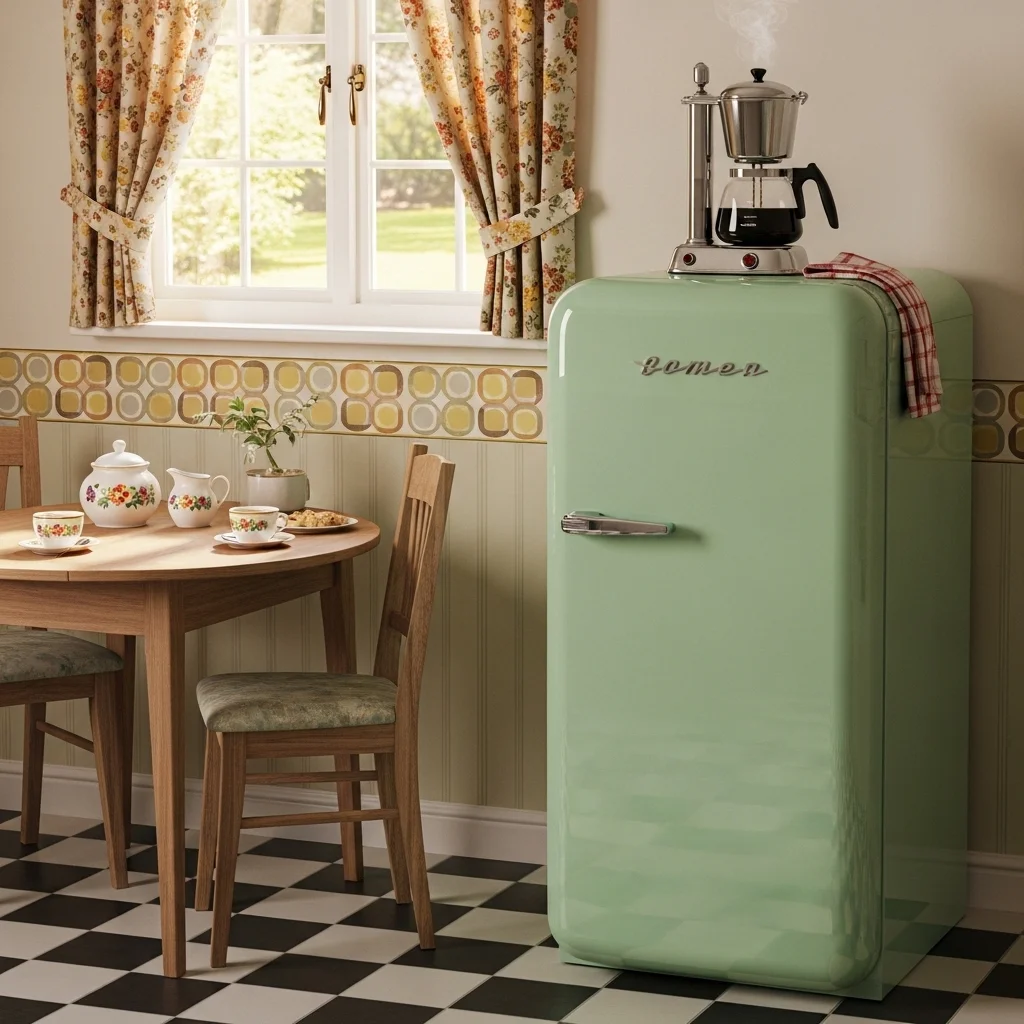
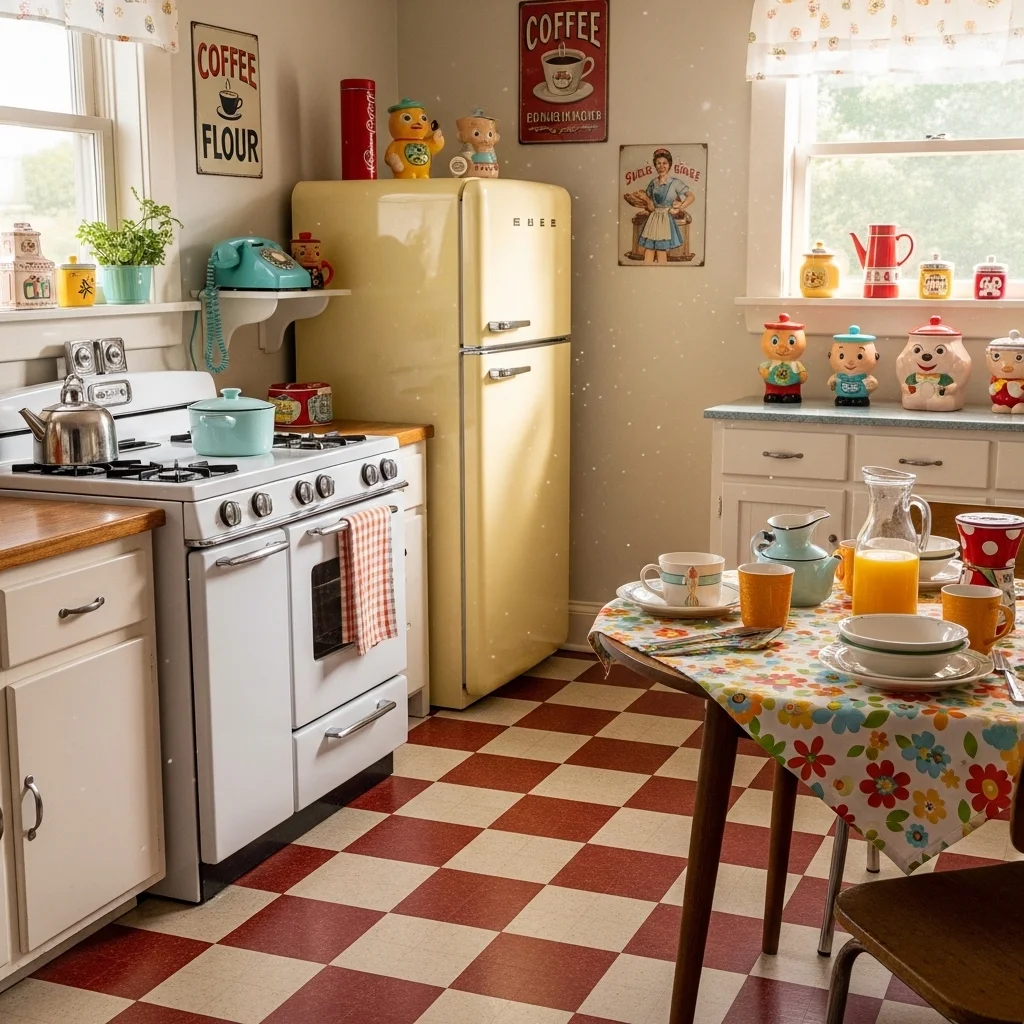
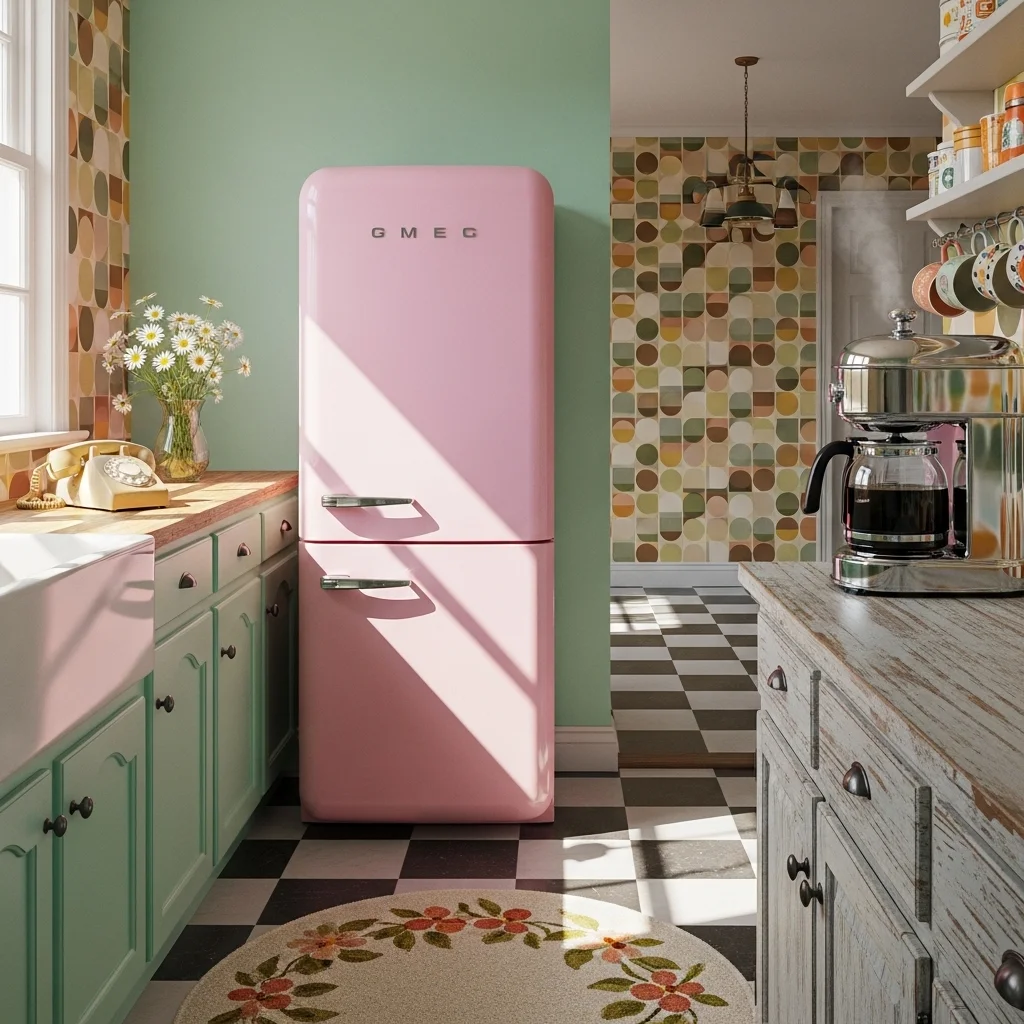
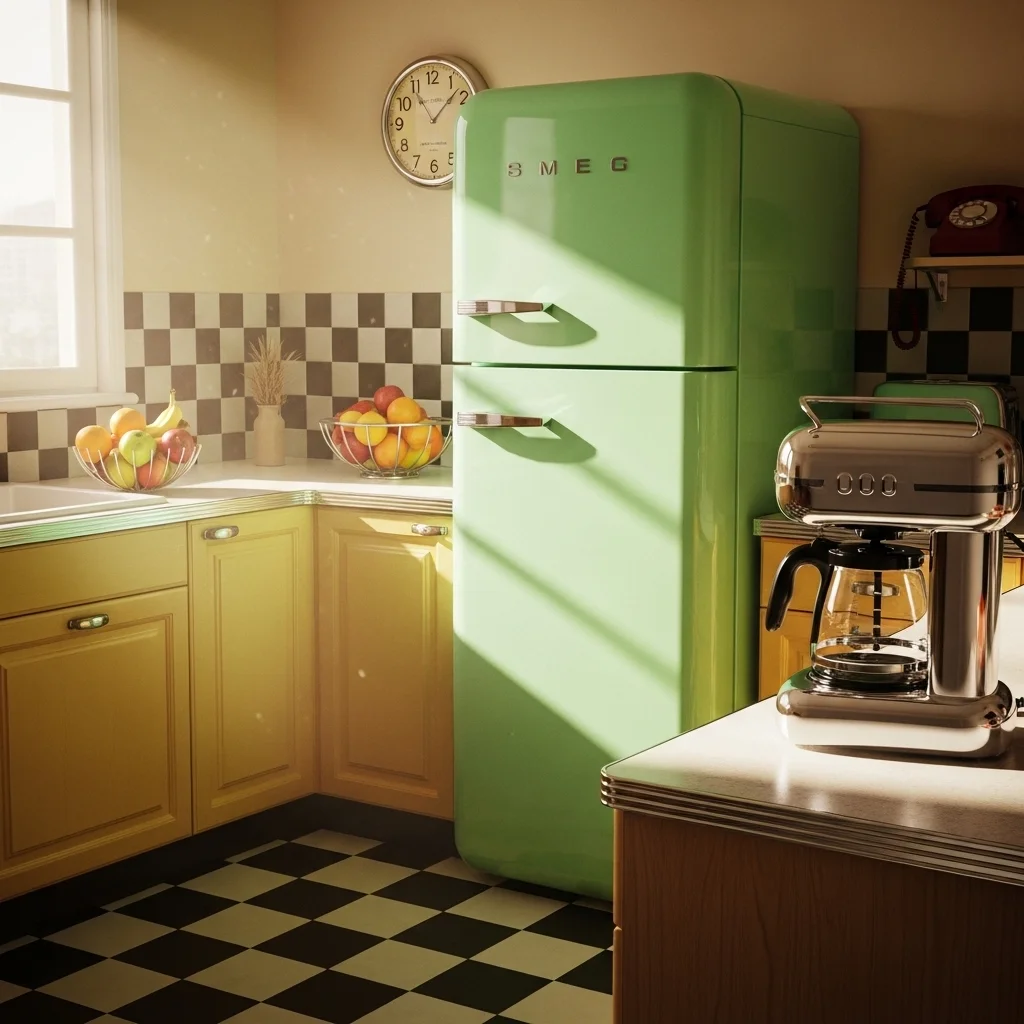
When people think vintage kitchens, they often picture pastel refrigerators and chrome accents. Brands like SMEG or Big Chill offer new appliances designed to look retro, which is a great shortcut if you aren’t ready to hunt for originals. However, if you source actual vintage appliances from the 1950s or 60s, proceed with caution.
Old wiring can be a fire hazard, and insulation might not meet modern standards. I once bought a beautiful 1940s refrigerator at an estate sale only to find out it pulled so much power it tripped the circuit breaker every time the compressor kicked on. If you go the authentic route, hire an electrician to check safety first. Otherwise, stick with modern appliances housed in custom paneling or choose new models with a classic aesthetic. A stand mixer in mint green is often safer and more reliable than trying to restore a forty-year-old model.
2. Curate a “Collected” Dinnerware Set
One of the biggest myths about vintage dining is that you need matching sets. In reality, the most charming tables feature mismatched plates that hint at decades of family meals. Look for sturdy mid-century patterns like Hazel Atlas or Pyrex.
Start by buying two of the same plate type and then hunt for variations. Over time, your set will look eclectic rather than chaotic. This approach saves money, too you can grab unique finds on clearance days rather than paying full price for a boxed set. Just ensure the chips and cracks are purely cosmetic if you plan to eat off them; deep crazing in ceramics can harbor bacteria. For everyday use, prioritize durability over fragility. Melamine dinnerware from the mid-century often holds up surprisingly well and offers those signature bright color blocks.
3. Hang History on the Walls
Your walls offer blank canvas opportunities that modern minimalist designs often ignore. Instead of standard prints, look for actual ephemera related to food and home life. Framed vintage recipe cards, faded grocery advertisements, or original lithographs from local dairies and bakeries work beautifully.
If you prefer a softer touch, try framing vintage textile samples or napkins from the 1930s. I found a stack of linen napkins at a thrift store for $10 and used a simple mat board to frame six of them as a gallery wall above my pantry door. The texture adds warmth that paper posters simply can’t replicate. Be mindful of humidity when hanging artwork near the stove; laminate or seal paper items behind glass to protect them from steam and grease splatter.
4. Display Antiquities That You Actually Use
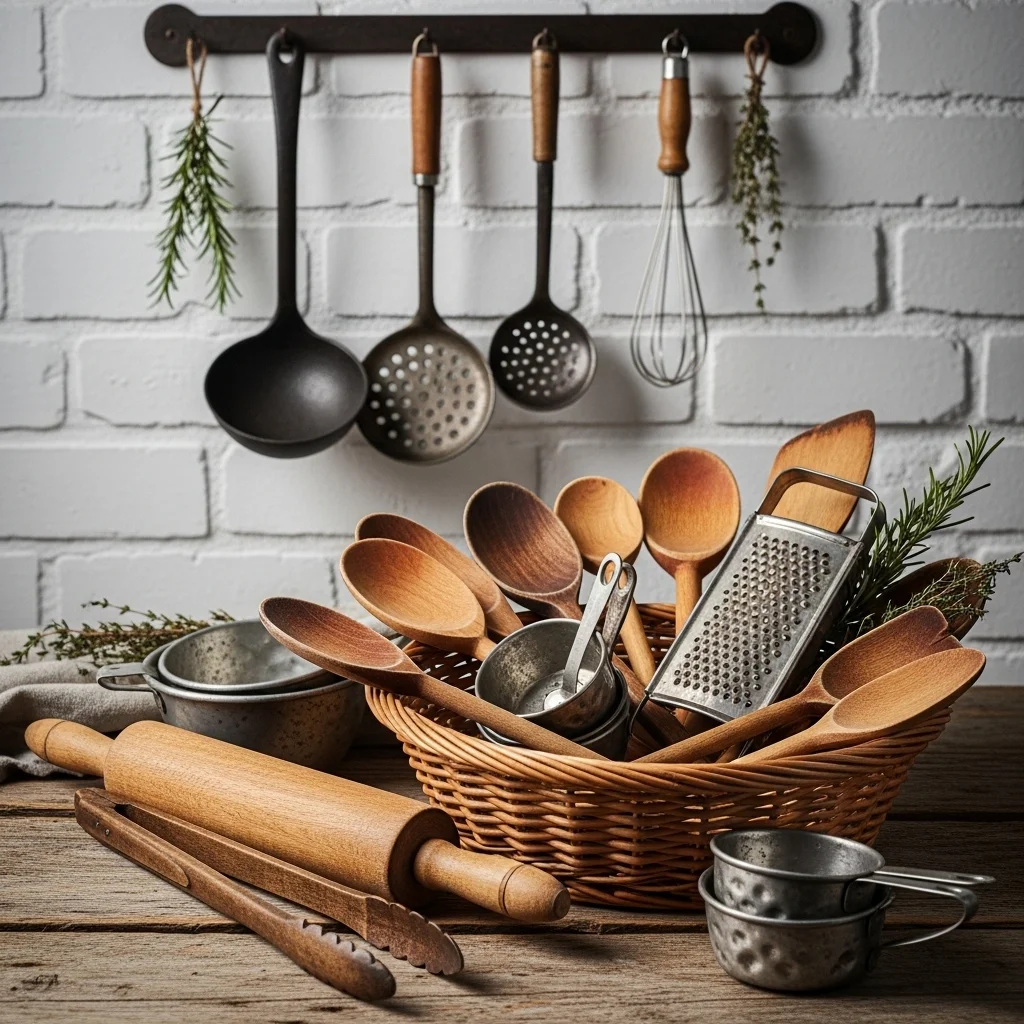
Don’t hide your cool gadgets in a cupboard. The beauty of vintage kitchen tools lies in their utilitarianism. A copper measuring cup or a brass egg beater hanging on a peg rail looks stunning while remaining within arm’s reach during cooking.
Wooden utensils are a must they age gracefully and develop a patina over time. Store them in a crock glazed in blue or white. Cheese graters from the early 1900s are not just functional; they are conversation starters. Just remember to maintain them properly. Wood needs occasional oiling to prevent drying and cracking, and metal tools should be dried immediately after washing to avoid rust. Using these items daily keeps them relevant to your routine rather than turning your kitchen into a storage closet.
5. Anchor the Room with a Farmhouse Table
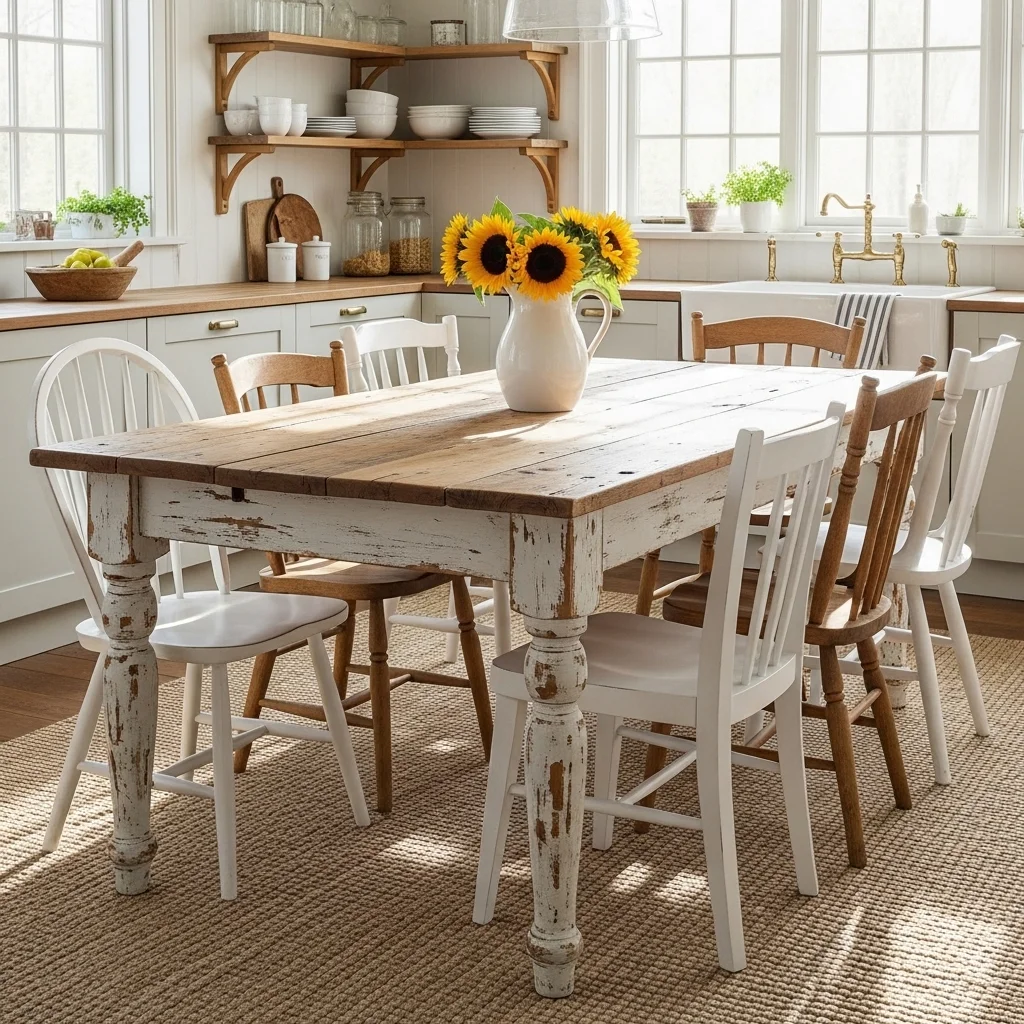
In open-concept homes, the kitchen island often doubles as the dining table, but a dedicated farmhouse table invites lingering conversations. Look for solid wood options oak, pine, or maple that show signs of wear.
Distressing is common in vintage pieces, and honestly, it adds to the character. A nick on the edge proves someone made toast there. Pedestal bases are ideal for smaller spaces because legs don’t block seating positions. If you can’t afford a restored antique, consider refinishing a flat-pack table yourself. Sanding down layers of varnish and applying a matte wax finish can turn a mass-produced piece into something that feels generations old. Ensure the height matches standard counter clearance (usually 29–30 inches) if you plan to pair it with bar stools, or opt for standard dining height (30 inches) for chairs.
6. Store Essentials in Vintage Canisters
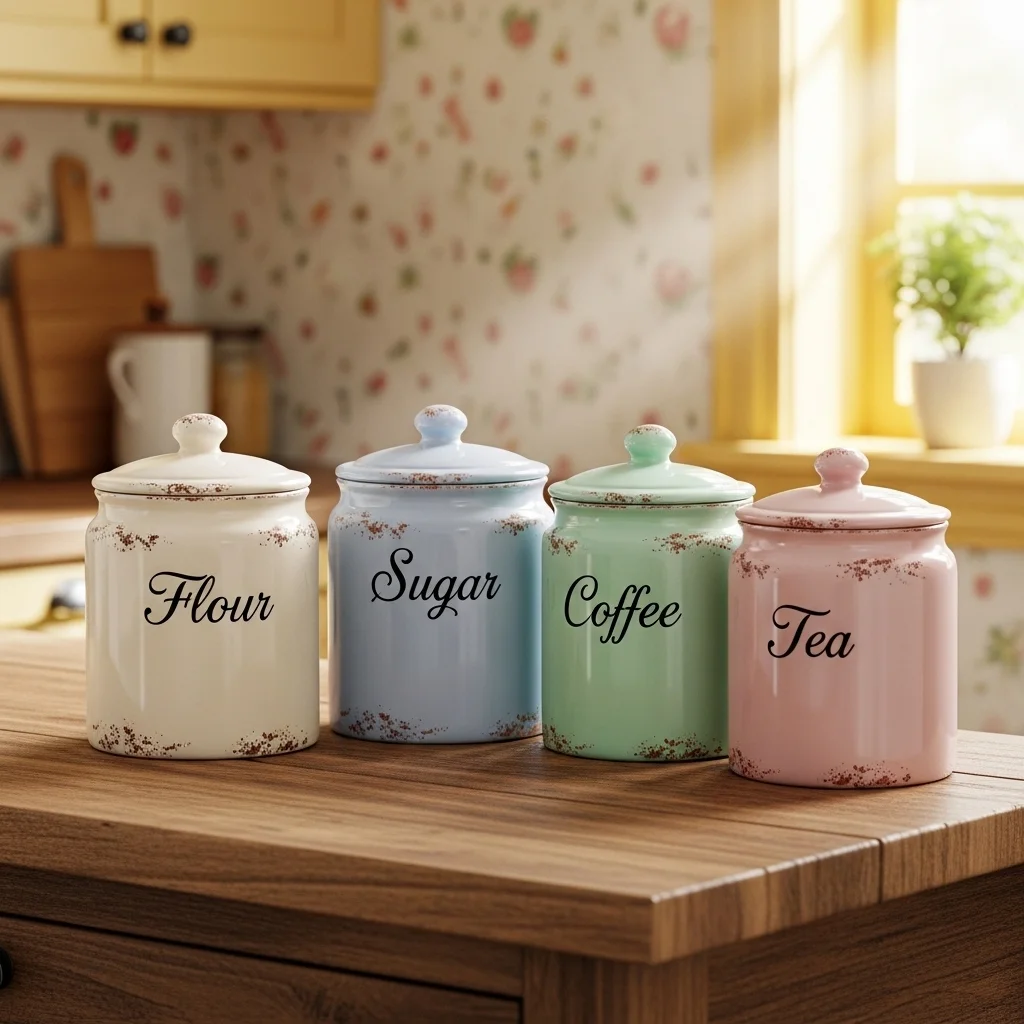
Plastic containers are functional but visually noisy. Swapping them for glass, tin, or ceramic canisters instantly elevates the countertop aesthetic. Search specifically for Pyrex nesting bowls or Butter churn tins that can be repurposed for dry goods.
Labeling is crucial. Modern chalk tape works well, but stenciling names directly onto the glass feels more period-accurate. White-out or nail polish can also work for small touch-ups on metal lids. When shopping for these, check the seals on the lids. Old rubber gaskets degrade over time. If you plan to store flour or sugar long-term, transfer contents to newer containers with tight seals inside the vintage vessels to keep pests out. It’s about form meeting function: the container looks old, but the ingredients stay fresh.
7. Open Shelving Reveals Your Personality
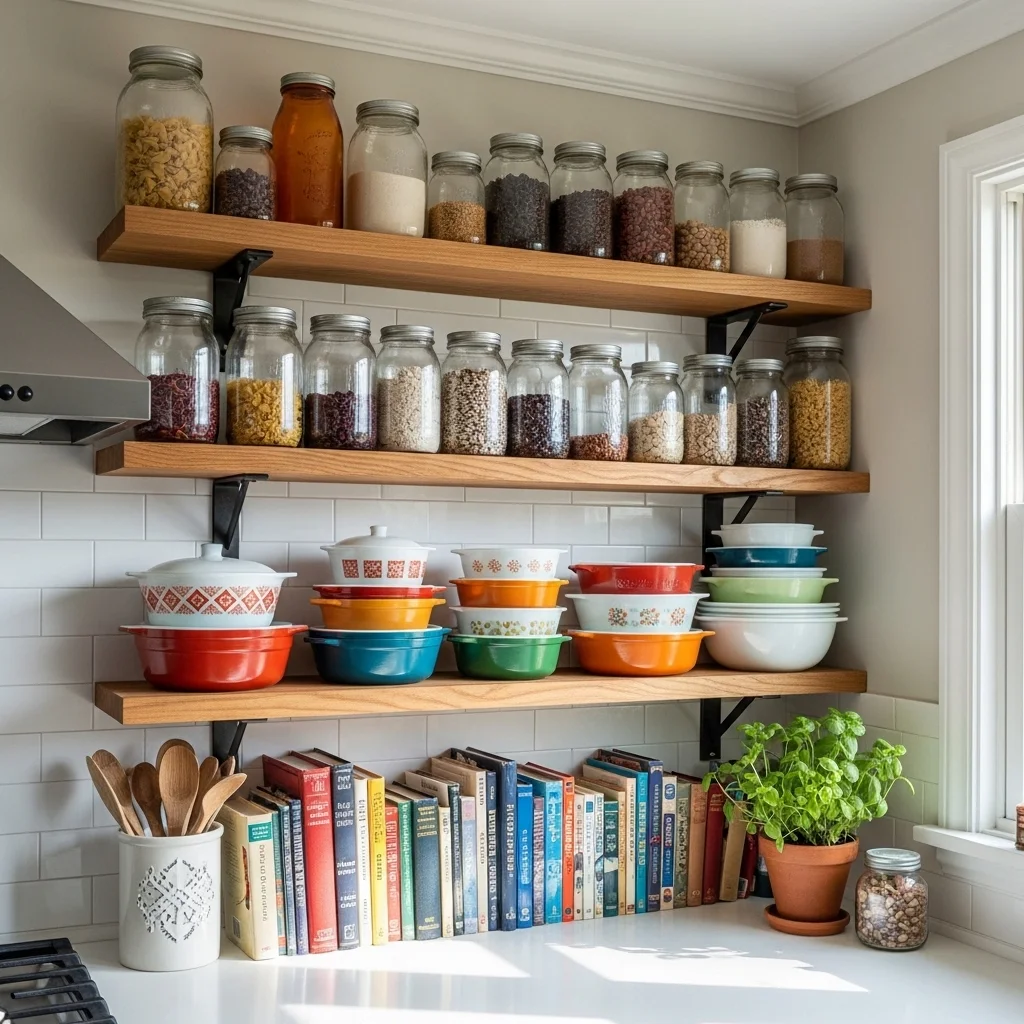
Closed cabinetry hides clutter, but open shelving displays your curation. This trend has roots in older kitchens where storage wasn’t hidden away. Install floating shelves using aged metal brackets or reclaimed wood to maintain the vintage vibe.
This is where your glassware collection shines. Stack colorful glasses vertically rather than horizontally. Use the top shelf for lightweight items like cookbooks or delicate teacups, and lower shelves for heavy mixing bowls. Dust can accumulate quickly on open shelves, so make wiping them down part of your weekly cleaning routine. If you struggle with dust, try adding a glass front to some cabinets instead of going fully open it creates a hybrid look that protects your items but still showcases them.
8. Incorporate Functional Signage
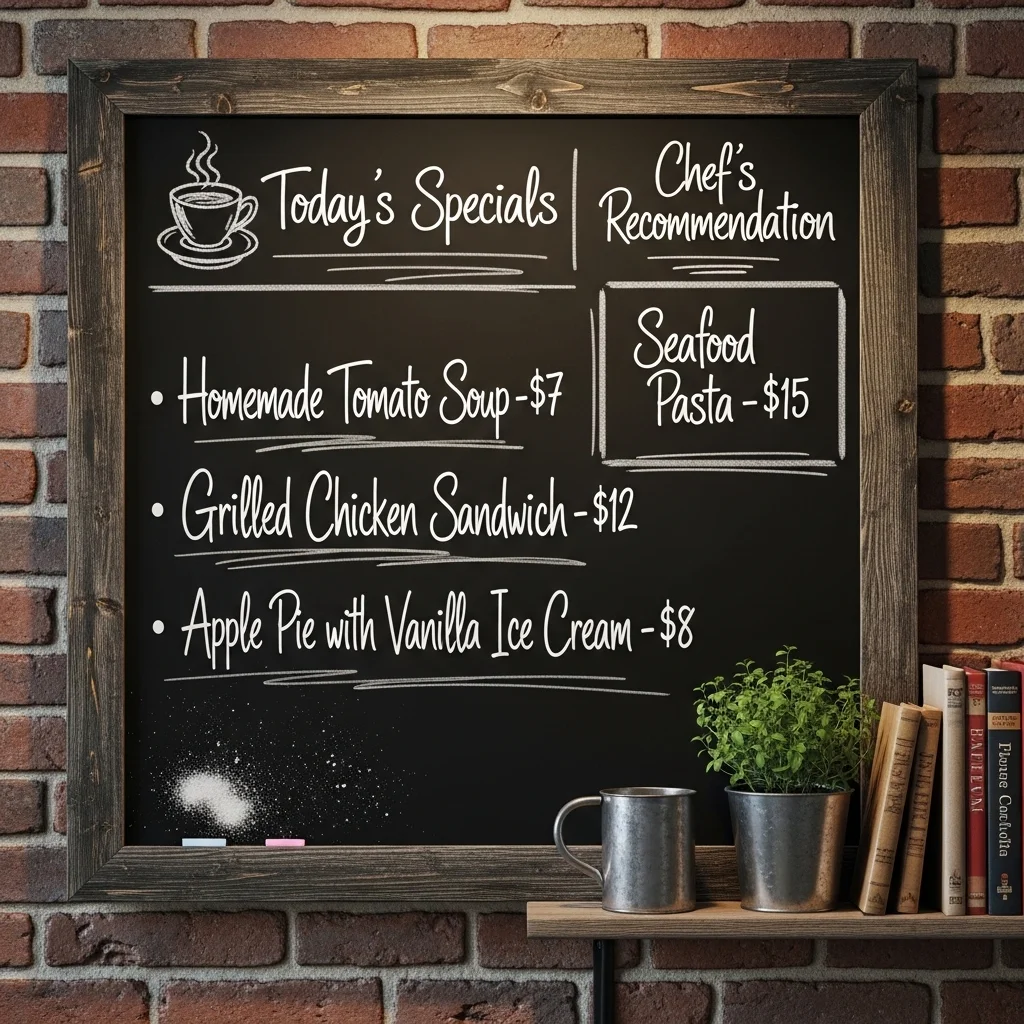
Nothing says farmhouse quite like a menu board, but oversized chalkboards can sometimes dominate a wall. Look for smaller, enamel signage instead. Vintage metal signs advertising milk, eggs, or baking soda add color and typography without taking up floor space.
If you do want a chalkboard area, keep it intimate. Frame a small section of blackboard around your fridge or pantry. Write daily specials or grocery lists, but leave plenty of negative space. Too much writing makes the surface look messy. I’ve seen people use magnetic chalk paint on a cabinet door, allowing them to update their notes without committing to a large installation. This flexibility keeps the space feeling dynamic rather than static.
9. Soften the Edges with Textiles
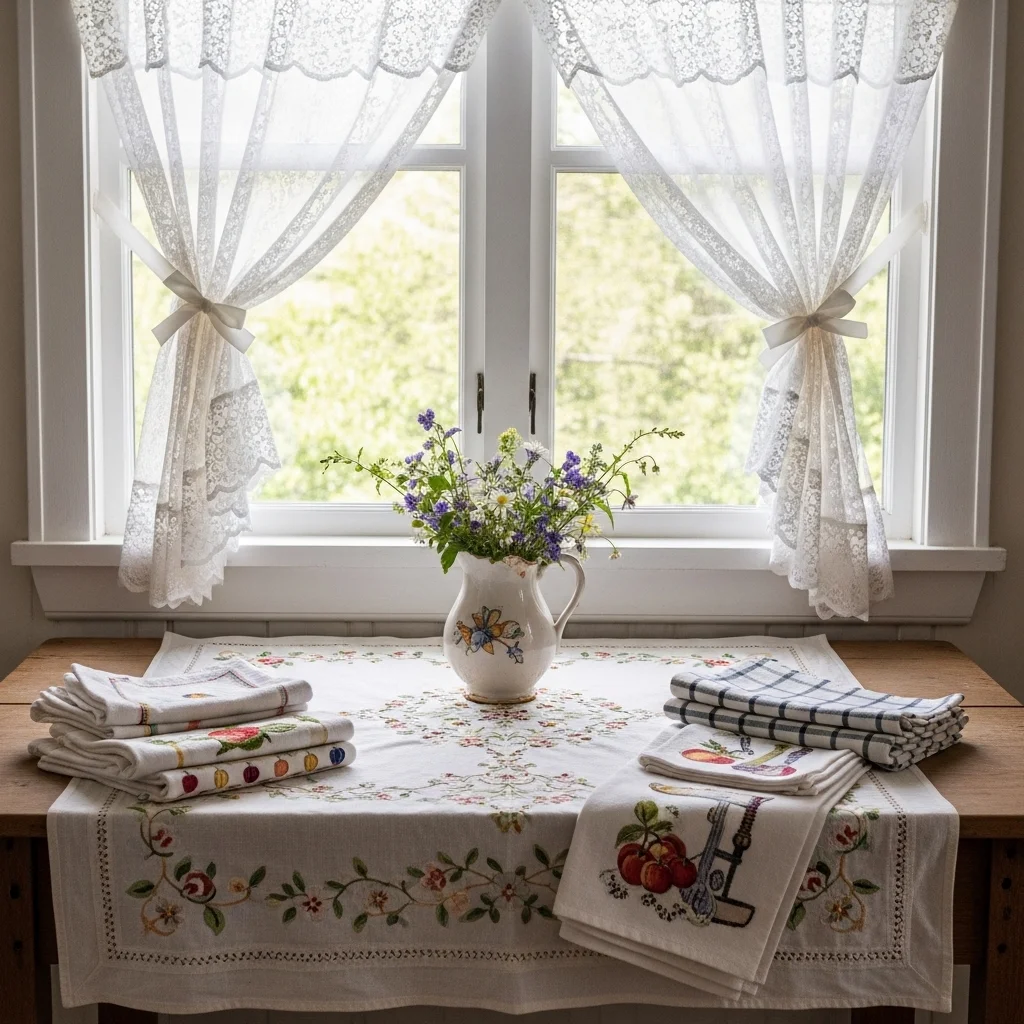
Hard surfaces like tile and granite can feel cold in a kitchen lacking softness. Vintage linens introduce texture and color. Think gingham curtains, embroidered cloths, or floral tea towels hung on oven handles.
Washability matters here. While antique lace sounds romantic, it collects grease and doesn’t survive high heat well. Opt for cotton blends that mimic the vintage style but hold up to machine washing. Tie-backs and valances should be short enough not to interfere with range hoods or lighting fixtures. Color coordination is key don’t scatter five different print families across the room. Pick two dominant patterns, like a stripe and a small floral, and let them repeat throughout the textiles for cohesion.
10. Repurpose Furniture for Storage
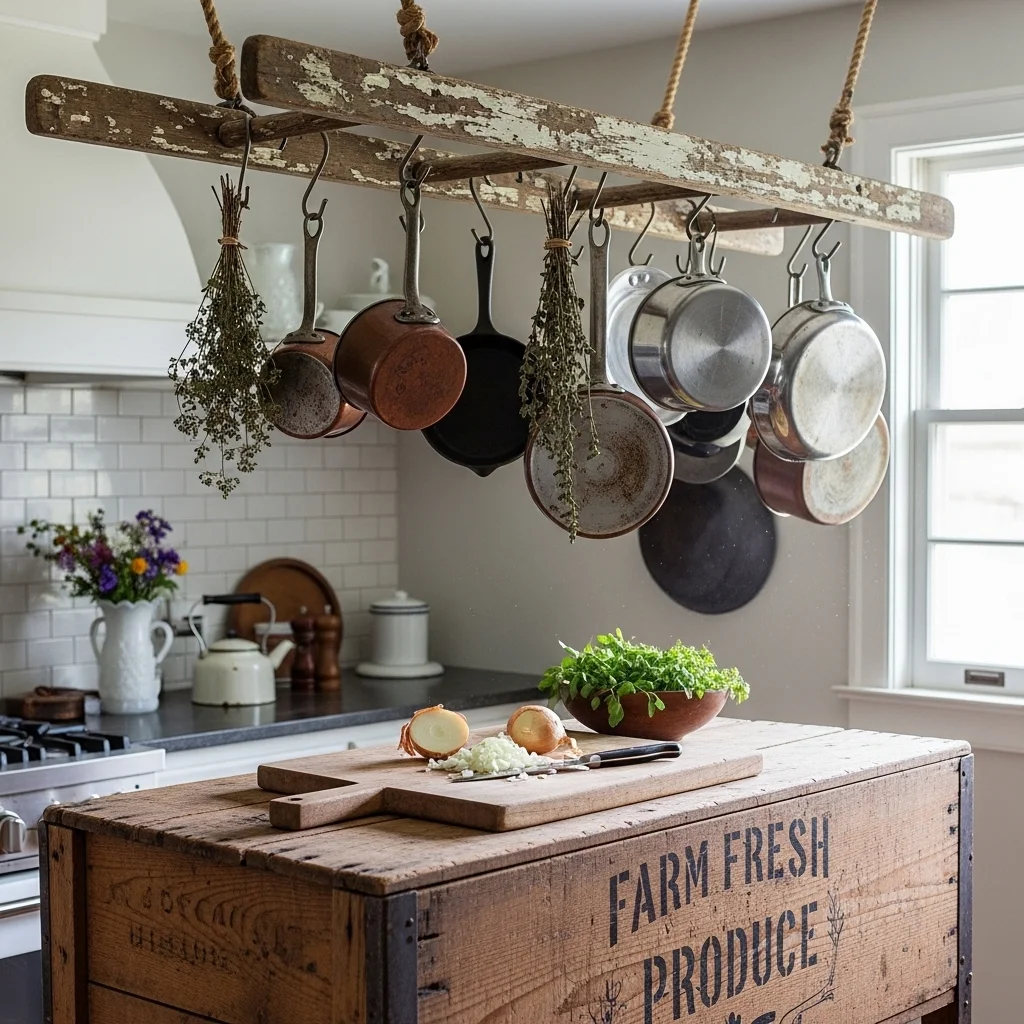
Sometimes the best kitchen furniture wasn’t built as kitchen furniture. An old wooden dresser can make a fantastic sideboard if you replace the drawers with baskets for produce. A painted ladder leaning against the wall serves as an excellent towel rack or pot holder.
Before repurposing, check structural integrity. Older furniture might contain lead paint, especially if it predates the late 1970s. Strip and repaint any pieces exposed to food prep areas to ensure safety. Adding casters to a base cabinet turns it into a mobile butcher block station. These creative solutions save space and money while injecting a layer of architectural interest that pre-built cabinets rarely achieve. It shows effort, and that effort translates into a space that feels cared for.
Wrapping It Up
Designing a vintage kitchen is less about rules and more about rhythm. It’s about finding balance between the new technology you rely on to cook and the old objects that ground you while you do it. Start small. Maybe today you just swap your plastic bins for glass jars. Next month, you might hunt for that perfect wooden spoon.
The goal isn’t to create a perfect replica of a 1950s diner or a Victorian farmhouse. The goal is to build a space that slows you down when you enter it. A vintage kitchen invites you to take your time, to notice the glint of copper, to fold a cloth napkin with care. That attention to detail ripples outward, making the food taste slightly better simply because the environment cares enough to be beautiful. So dig through the flea markets, ask your neighbors what they’re clearing out, and start collecting the artifacts of your own family’s next chapter.
Post Tags:
#vintage kitchen decor #retro kitchen ideas #budget kitchen decor #farmhouse kitchen #thrifted home decor