I’ll be honest my journey into recycled home decor started not from some noble environmental awakening, but because I was flat broke after my first apartment lease. I couldn’t afford those sleek West Elm shelves I’d bookmarked, so I grabbed some wooden pallets from behind a furniture store and made my own. That scrappy project turned into something bigger: a genuine appreciation for how beautiful, functional, and yes, environmentally responsible recycled decor can be.
Ten years later, I’ve learned that decorating with reclaimed and repurposed materials isn’t about sacrifice or settling for second-best. It’s about creating spaces with character, stories, and a smaller carbon footprint. Plus, there’s something deeply satisfying about transforming what others consider trash into something genuinely lovely.
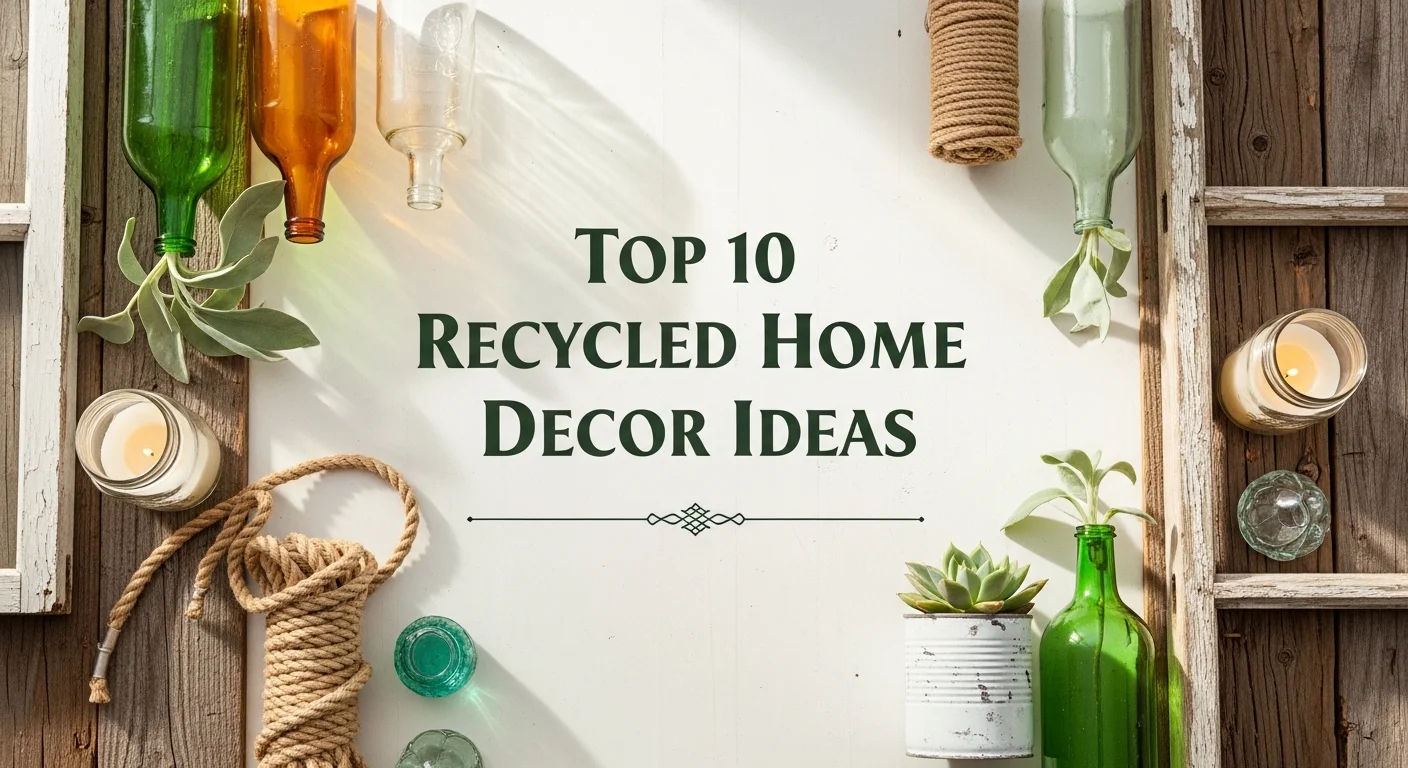
Let me walk you through ten recycled home decor ideas I’ve either used myself or seen work beautifully in other eco-conscious homes. These aren’t theoretical Pinterest boards these are practical, tested approaches that actually work in real living spaces.
1. Reclaimed Wood Furniture and Accent Walls
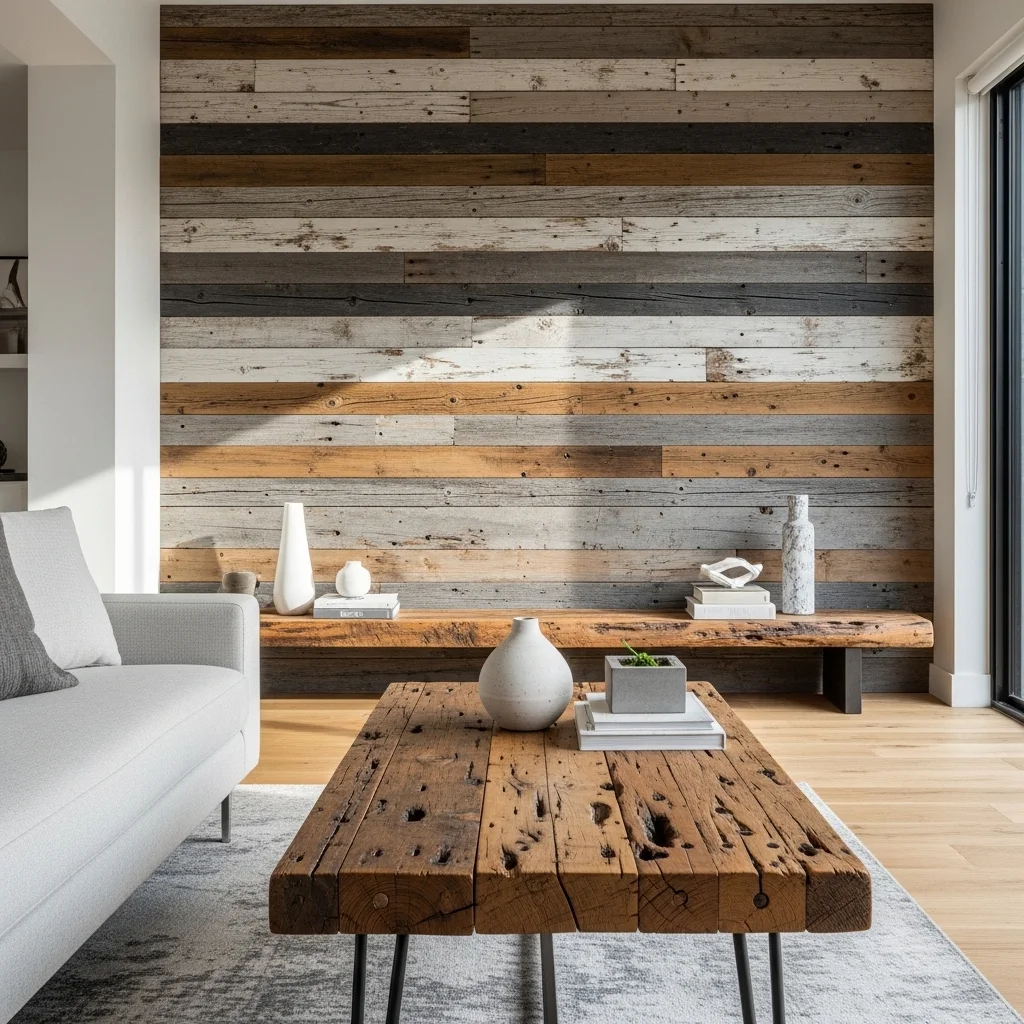
This one’s become wildly popular for good reason. Old barn wood, shipping pallets, or salvaged flooring can transform into stunning furniture pieces or dramatic accent walls. I sourced weathered barn wood from a demolition site in rural Pennsylvania a few years back the homeowner was thrilled someone wanted it instead of sending it to a landfill.
The color variations and weathering patterns in reclaimed wood are impossible to replicate with new materials. Each piece tells a story through its nail holes, saw marks, and patina. I’ve seen hundred-year-old floor joists become modern coffee tables, and the contrast between rustic wood and contemporary design creates this wonderful visual tension.
Practical considerations: Always check for rot, insect damage, and embedded metal before bringing salvaged wood indoors. Sand it thoroughly and seal it properly I learned this the hard way when rough wood snagged a favorite sweater. Expect to pay anywhere from free (if you source it yourself) to $5-12 per square foot from architectural salvage stores. Still cheaper than premium hardwood, and infinitely more interesting.
If you’re not the DIY type, plenty of craftspeople now specialize in reclaimed wood furniture. Supporting these artisans keeps traditional skills alive while reducing demand for virgin timber.
2. Vintage Glass Bottle Light Fixtures
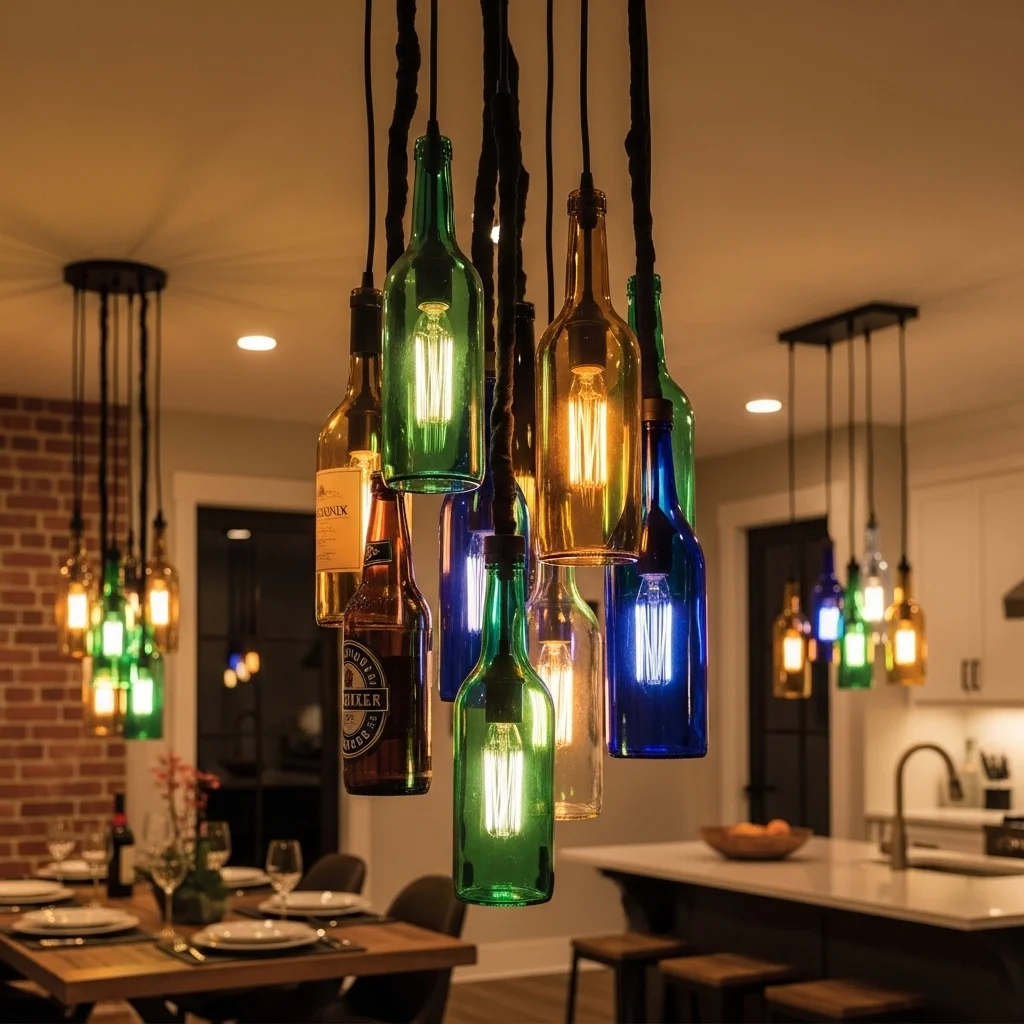
I walked into a friend’s renovated loft in Portland last summer and immediately noticed the chandelier: dozens of green and amber glass bottles clustered together with Edison bulbs. Turns out, she’d collected old wine bottles for eight months, cut the bottoms off carefully, and assembled them into this showstopper.
Glass bottles wine, beer, spirits have this inherent beauty once you separate them from their landfill destiny. The way light filters through colored glass creates warmth that no mass-produced fixture can match. I’ve seen single pendant lights made from bourbon bottles hanging over kitchen islands, and clusters of varied bottles creating eclectic dining room chandeliers.
How to approach it: Bottle cutting requires patience and the right tools. A bottle cutter runs about $25-40, and you’ll need to practice on a few sacrificial bottles first. Alternatively, glassworkers on Etsy will do custom bottle cutting for reasonable fees. The electrical components need proper installation this is one area where hiring a licensed electrician makes sense both for safety and code compliance.
The environmental impact here is direct and measurable. Every bottle you repurpose is one less piece of glass requiring energy-intensive recycling or sitting in a landfill for thousands of years.
3. Upcycled Ladder Shelving
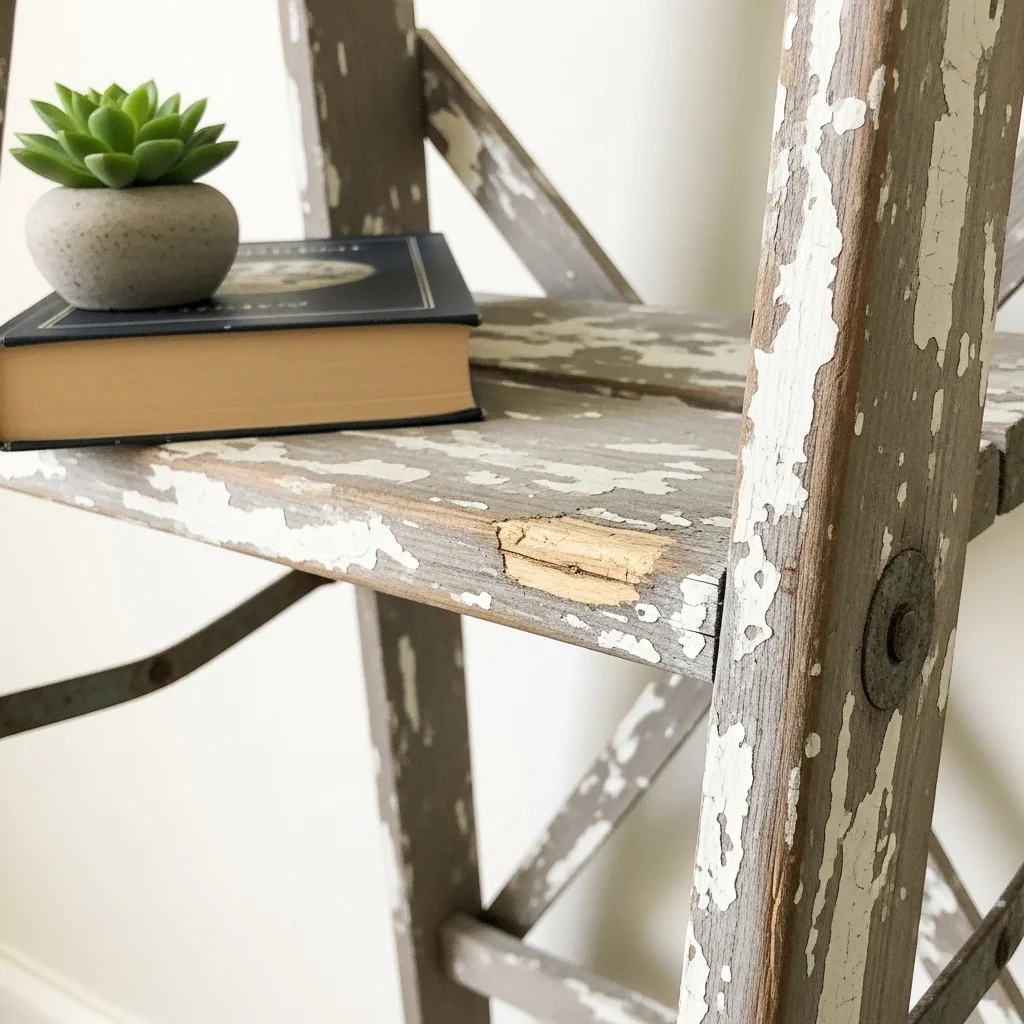
Old wooden ladders the kind with paint splatters and wobbly rungs make surprisingly perfect shelving units. I picked up a vintage orchard ladder at an estate sale for fifteen bucks and mounted it horizontally against my home office wall. The rungs create natural shelf dividers for books, plants, and storage baskets.
What I love about ladder shelving is the irregularity. Unlike cookie-cutter IKEA units, vintage ladders have character variations: different rung spacing, unique wood grain, remnants of old paint. Lean a ladder against a bathroom wall for towel storage, or use two ladders as the frame for a rustic bookshelf with reclaimed boards across the rungs.
My neighbor actually used an old extension ladder as a pot rack in her kitchen, hanging cast iron pans from S-hooks on the rungs. It’s functional art and conversation starter every time someone visits.
Watch out for: Stability is crucial. Mount ladders securely to wall studs, especially if you’re putting any weight on them. Test each rung for soundness. Sometimes that charming wobble means structural weakness, not just character. Sand down any rough spots and decide whether to preserve the original finish or refinish completely. I’m partial to clear sealing that maintains the weathered look while preventing splinters.
4. Tire Ottomans and Planters
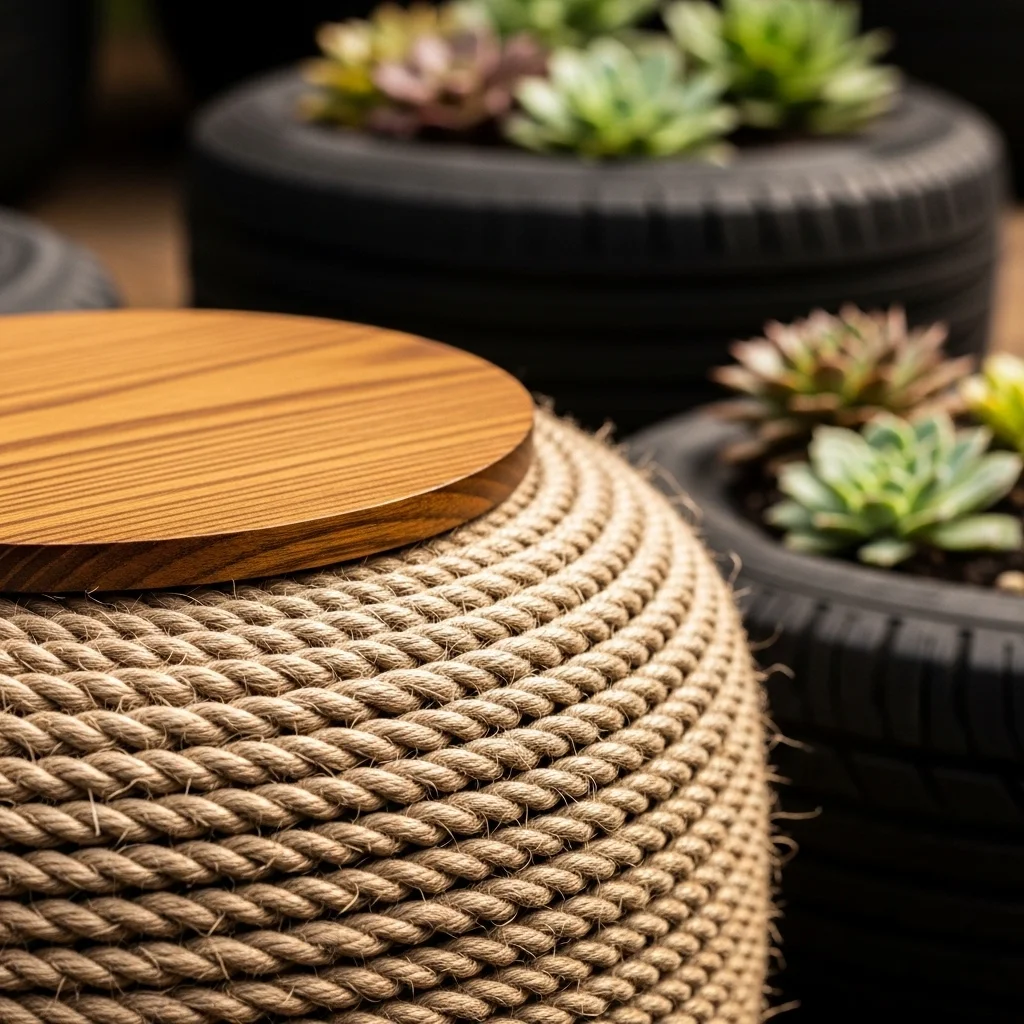
Okay, I was skeptical about this one too. Tires? Really? But then I visited a rooftop garden in Brooklyn where the designer had transformed old tires into these surprisingly chic ottoman-style seats. She’d cleaned them thoroughly, wrapped thick rope around the circumference in a tight spiral pattern, added a wooden base and cushion on top, and created seating that looked intentional and stylish not like repurposed trash.
Old tires represent a massive environmental problem. They don’t decompose, they release toxins when burned, and tire dumps are ecological disasters. Finding creative reuse applications for them makes genuine environmental sense.
For outdoor spaces, tires make excellent planters. Stack two or three, paint them in weather-resistant colors, fill with soil, and you’ve got raised garden beds. I’ve seen entire vegetable gardens grown in tire planters in community gardens where traditional raised beds were cost-prohibitive.
Important caveat: Use tires for non-edible plants if you’re concerned about chemical leaching. While research on this is mixed, some gardeners prefer caution with food crops. For indoor ottomans, ensure tires are thoroughly cleaned and consider where they’ll be used probably better in a casual den than a formal living room unless your whole aesthetic skews industrial.
5. Window Frame Mirrors and Picture Displays
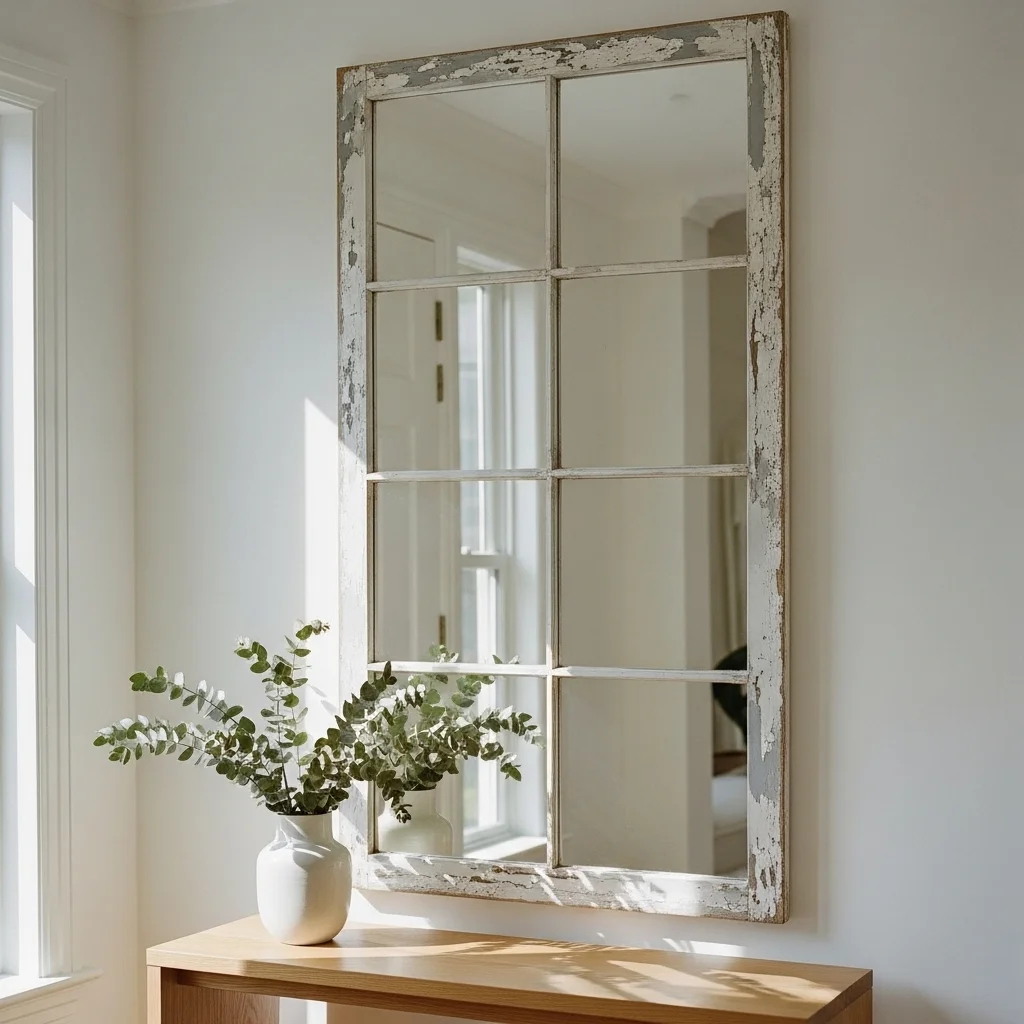
Vintage window frames might be my favorite recycled decor element. There’s something romantic about old wavy glass, chipped paint, and divided light patterns. I found a four-pane window frame at a demolition salvage yard and had mirror cut to fit behind each pane. It hangs in my entryway now, and guests consistently comment on it.
The beauty of window frame repurposing is versatility. Use them as:
- Picture frame galleries (photos behind each pane)
- Mirrors (as I did)
- Chalkboard message centers (paint panes with chalkboard paint)
- Greenhouse-style cabinet doors
- Wall art exactly as they are, celebrating their weathered beauty
Architectural salvage stores stock old windows, but I’ve had better luck at demolition sites, estate sales, and even curbside pickings during neighborhood renovation seasons. Prices vary wildly I’ve paid anywhere from free to sixty dollars depending on size and condition.
Pro tip: Clean old glass carefully with vinegar and newspaper. If glazing is compromised, you can reglaze or simply remove glass entirely for a purely decorative frame. Sand and repaint if you want a fresh look, but consider preserving original paint when it adds character. That chippy, layered paint effect people pay premium prices for is authentic on truly old windows.
6. Vintage Suitcase Storage
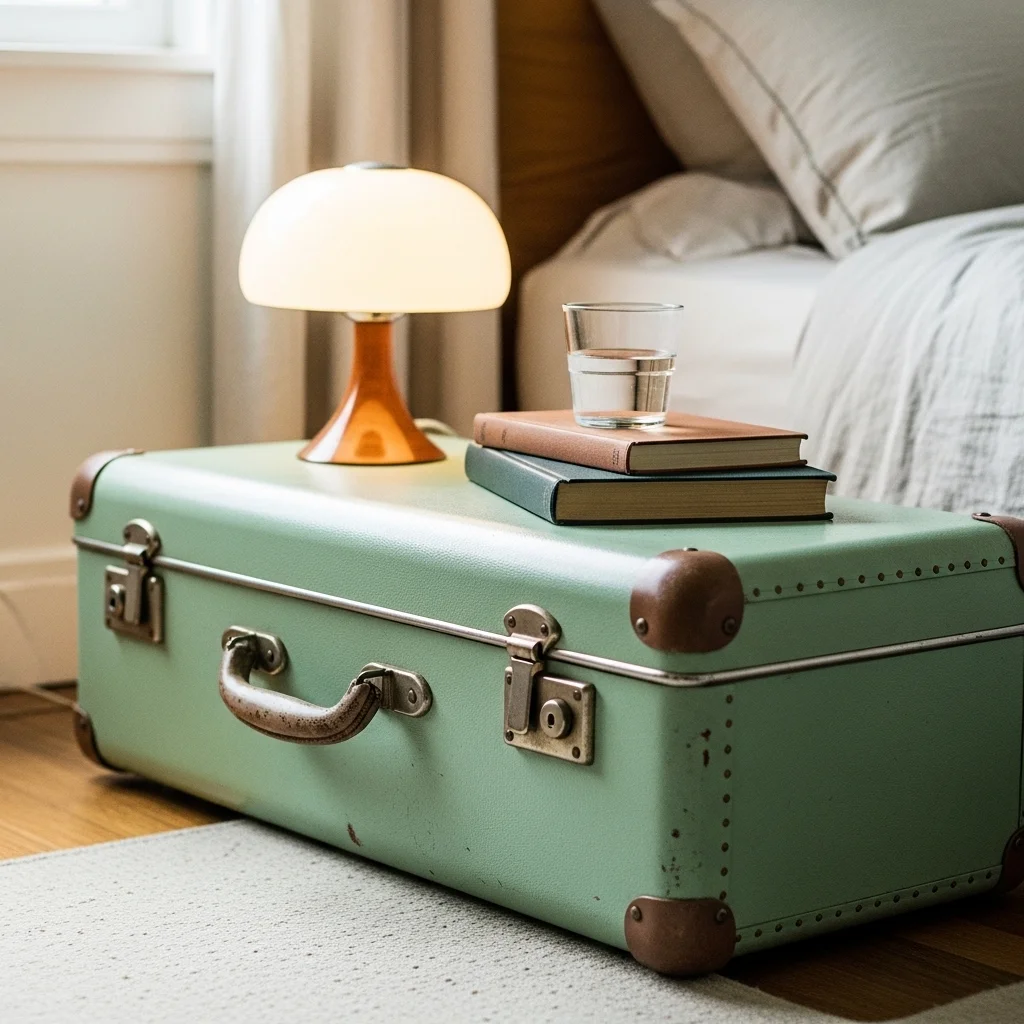
This trend has been around a while, but it endures because it genuinely works. Stacked vintage suitcases become side tables, individual cases mount on walls as quirky shelving, and larger trunks serve as coffee tables with hidden storage.
I use a 1950s hard-shell suitcase as a bedside table in my guest room. It stores extra linens inside while providing a surface for a lamp and water glass. The mint green color and retro clasps add personality that a standard nightstand couldn’t match. Total investment? Eight dollars at a thrift store.
Vintage luggage shows up regularly at estate sales, thrift shops, flea markets, and antique malls. Unless it’s a collectible brand like Louis Vuitton or Hermès, prices stay reasonable usually $5-30 per piece. Look for sturdy construction and intact hardware. Some cosmetic wear is fine; in fact, it adds to the vintage aesthetic.
Creative applications I’ve seen:
- Mounted shallow suitcases as wall shelves in a travel-themed office
- A tower of graduated-size suitcases creating a nightstand with multiple “drawers”
- Large vintage trunk as a window seat with cushion on top and storage inside
- Suitcase with the lid propped open displaying a collection of vintage postcards
The environmental angle here connects to our throwaway culture. These suitcases were built to last often better constructed than modern luggage. Giving them new purpose honors that durability while keeping them out of landfills.
7. Industrial Pallet Furniture
I mentioned my early pallet adventures, but let me be more specific about what actually works. Pallets have become ubiquitous in DIY decor, sometimes to the point of cliché, but they remain valuable because they’re free, abundant, and remarkably versatile.
I’ve built or helped build:
- A full bed frame (surprisingly comfortable with proper support)
- Patio furniture (sectional couch with cushions)
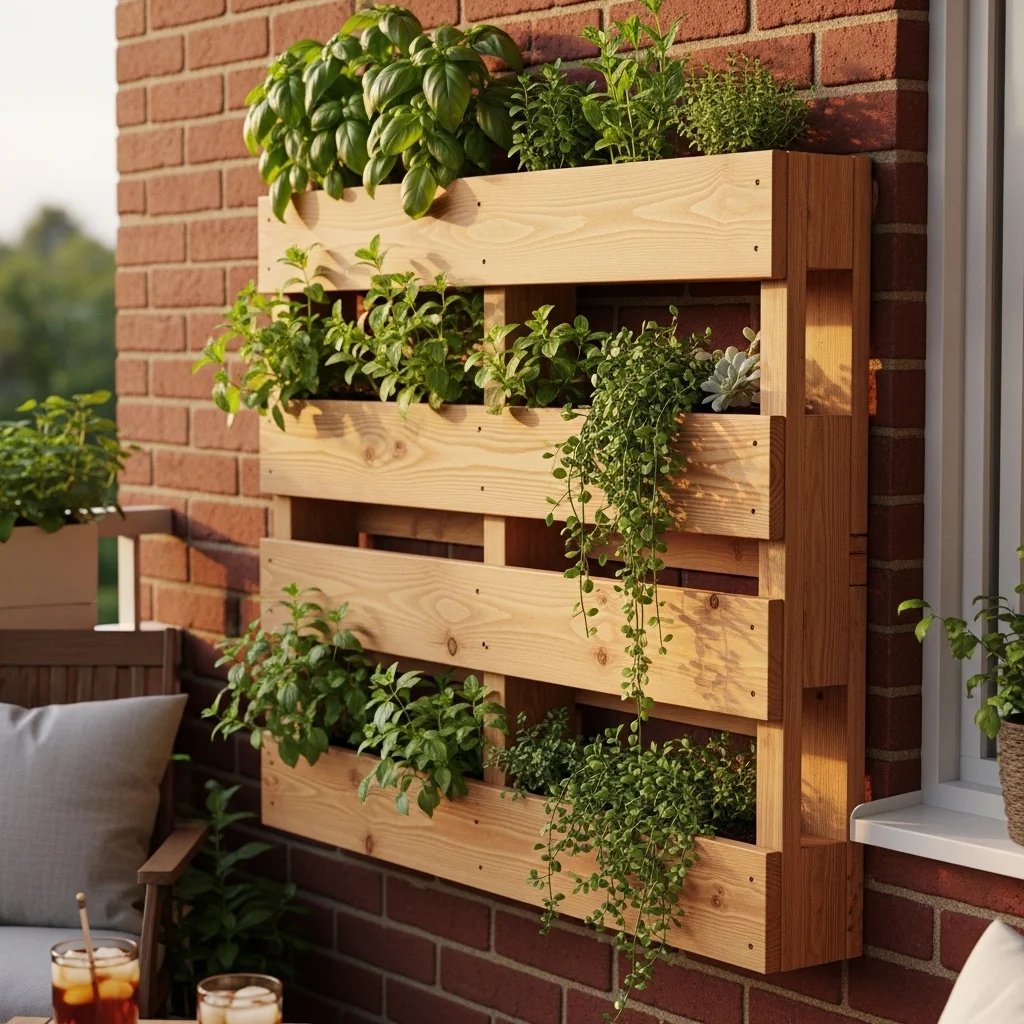
- Vertical garden walls (pallets mounted upright with plants in the slat spaces)
- Outdoor bar (three pallets created a U-shaped tiki bar for parties)
The key with pallets is selectivity. Not all pallets are equal. Look for heat-treated (HT) pallets rather than chemically treated (MB – methyl bromide). Check stamps on the pallet side. Avoid any that carried chemicals, pesticides, or food products. Hardware stores and furniture shops often have clean pallets they’re happy to give away.
Reality check: Pallet projects require more work than they appear. Disassembling pallets without splitting wood is an art. Those nails are stubborn. You’ll need a reciprocating saw or nail puller and patience. Sand everything thoroughly pallet wood is notoriously splintery. But the final result, especially when stained or sealed nicely, can look genuinely high-end.
I spent a weekend helping a friend build a vertical pallet garden for her apartment balcony. We mounted the pallet to her brick wall, lined the back with landscape fabric, filled the spaces between slats with soil, and planted herbs and succulents. Three years later, it’s still thriving and gets compliments from every visitor. Total cost was maybe thirty dollars for soil, plants, and mounting hardware.
8. Mason Jar and Tin Can Organization
This might seem too simple to include, but hear me out. Glass jars and tin cans are endlessly useful, free, and keep tons of material out of recycling streams (which, let’s be honest, don’t always work as efficiently as we hope).
In my own home, I use:
- Mason jars for bathroom storage (cotton balls, Q-tips, bath salts)
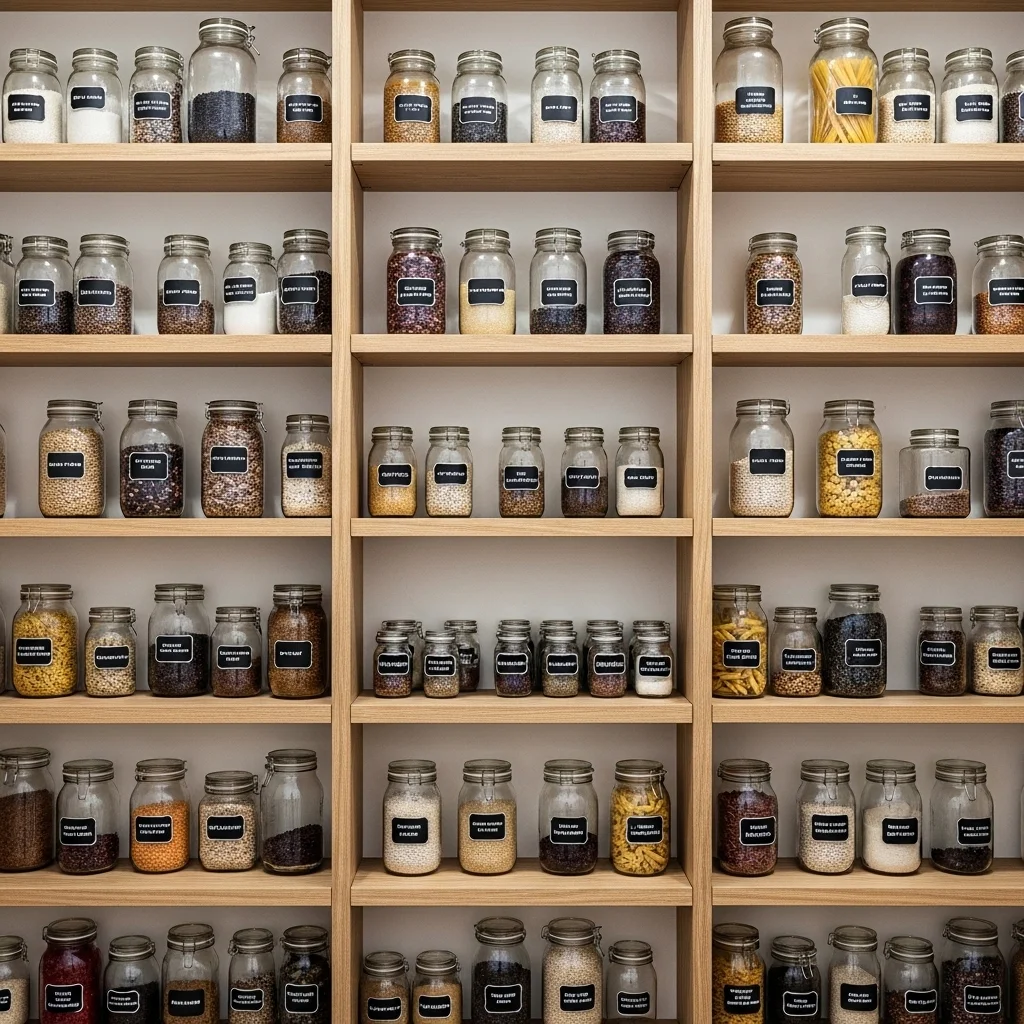
- Large glass jars (like pickle jars) for pantry staples (pasta, rice, beans)
- Painted tin cans mounted on a board as a mail organizer
- Tin cans with drainage holes as herb planters on my kitchen windowsill
What elevates this from college-dorm-basic to actual decor is presentation. Remove all labels and adhesive completely (hot water and oil work wonders). Consider spray painting cans in cohesive colors. Group jars in collections rather than scattering them randomly. Use chalkboard labels or hand-lettering for a polished look.
I visited a zero-waste store in Austin where the entire aesthetic was built on glass jars. Floor-to-ceiling shelves displayed bulk goods in uniform glass containers it was both functional and genuinely beautiful. The owner told me she’d collected jars over two years from friends, family, and restaurant connections rather than buying new storage. The environmental savings were significant, and the visual impact was stronger than if she’d bought matching containers.
Practical note: Sterilize food jars thoroughly before reuse. Run them through the dishwasher or boil them. For tin cans, check for sharp edges and file or tape them smooth. Rust can add character or be a problem depending on use outdoor planters with drainage actually benefit from eventual rust patina, but bathroom storage probably doesn’t.
9. Salvaged Door Headboards and Tables
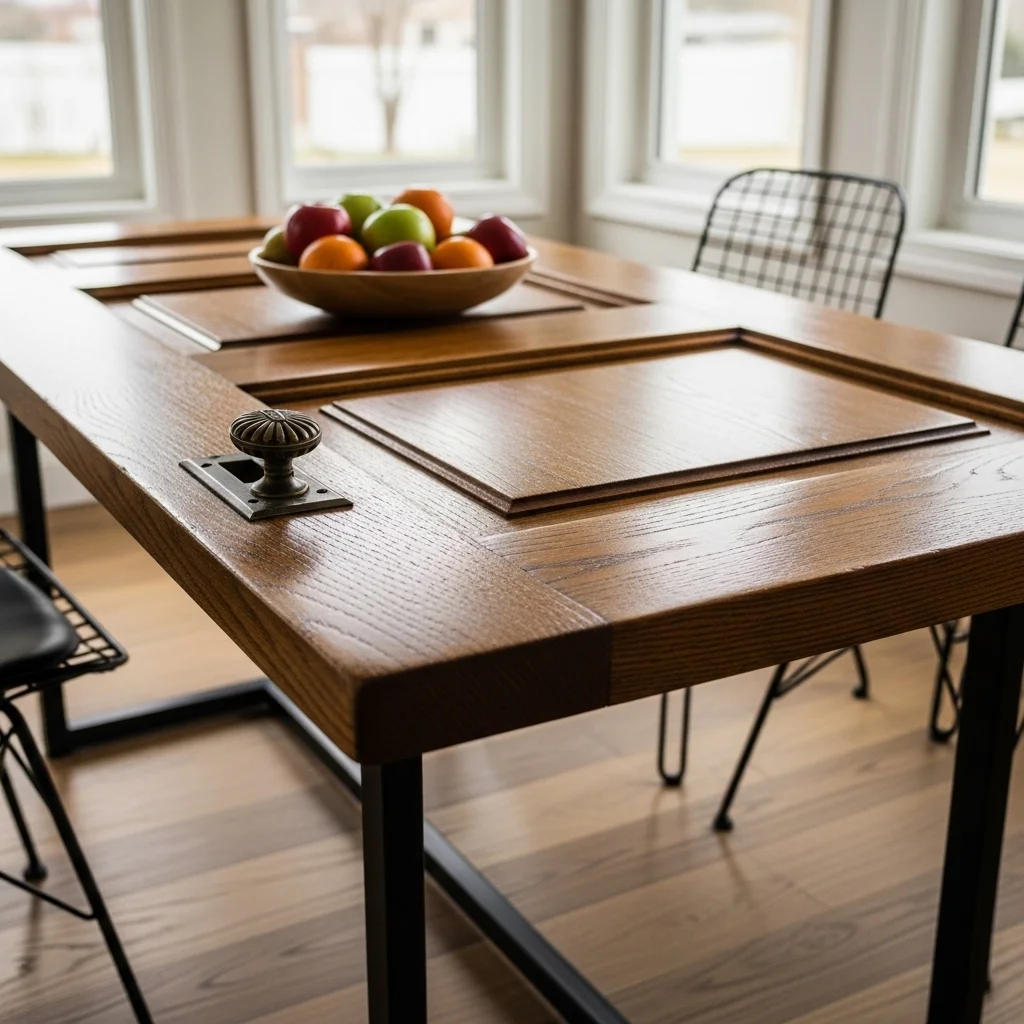
Architectural salvage stores are treasure troves, but old doors might be the most versatile single item they stock. I’ve seen vintage doors become:
- Headboards (mounted horizontally behind a bed)
- Dining tables (door laid across sawhorses or a custom base)
- Desk surfaces
- Garden gates and privacy screens
- Barn door-style room dividers
My own dining table is a solid wood door from a 1920s apartment building renovation. It had beautiful paneling and hardware that I preserved. I had a local welder create a simple metal base, sealed the wood with food-safe finish, and now have a six-foot table that cost about $150 total compared to $800+ for something similar from a furniture store.
The environmental calculus here is straightforward: old-growth wood from demolished buildings is often higher quality than what’s commercially available today. That door that would’ve gone to a landfill or chipper now serves another lifetime of use.
What to look for: Solid wood rather than hollow core (unless you want something lightweight for a headboard). Check for warping by laying it on a flat surface. Minor warping can sometimes be corrected; major warping makes doors unusable for tables. Hardware can be kept or removed depending on your aesthetic. I love the aged brass of old doorknobs incorporated into headboard designs.
Prices range from $20-200 depending on age, style, and condition. Really special doors with stained glass, intricate carving, or exceptional hardware command higher prices, but standard solid wood doors stay affordable.
10. Textile Scrap Art and Rugs
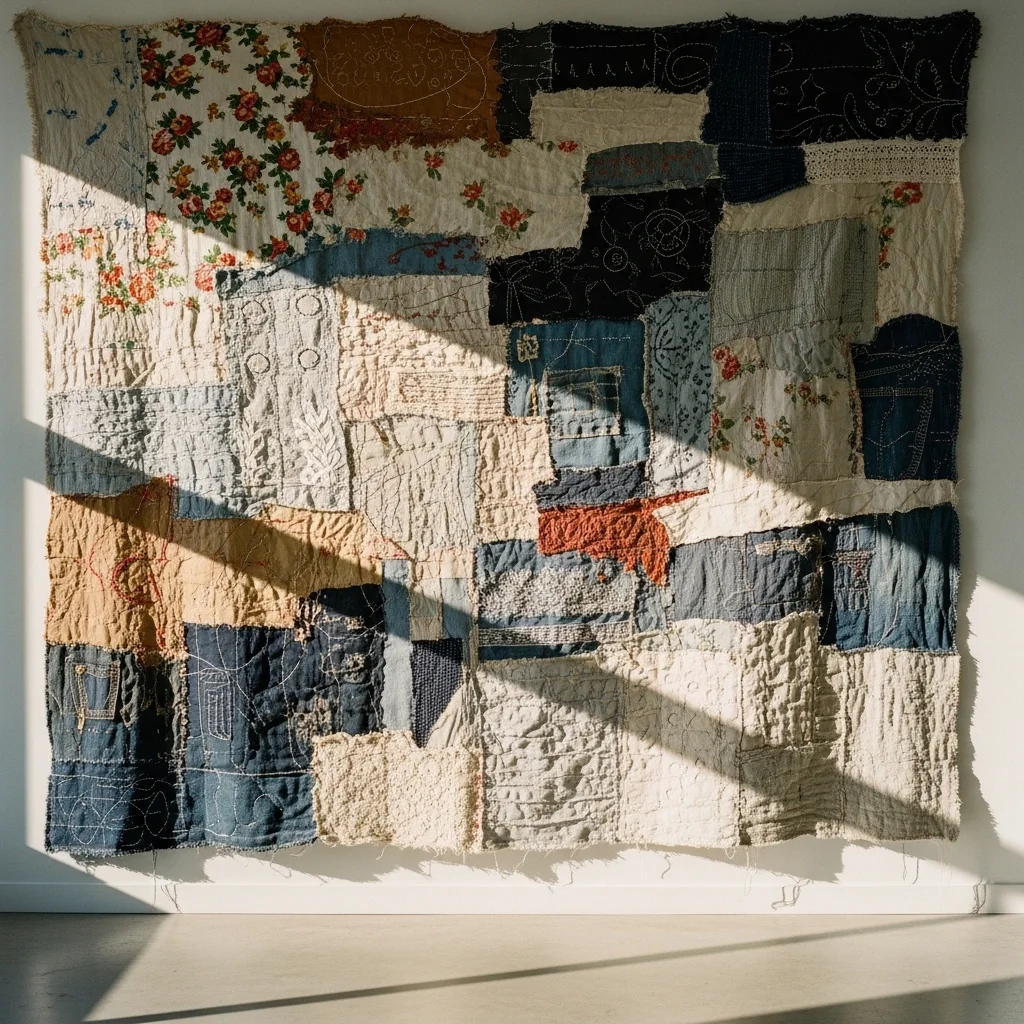
This final idea connects to something that bothers me about our broader culture: textile waste. We throw away millions of tons of fabric yearly, and much of it could serve beautiful purposes.
I’ve seen extraordinary things done with fabric scraps:
- Braided rag rugs from old t-shirts and jeans
- Wall hangings created from vintage quilt pieces too damaged to use as bedding
- Upholstery projects using salvaged fabric from curtains, clothing, or linens
- Woven wall art from fabric strips
- Patchwork throw pillows from sentimental clothing (baby clothes, concert tees, etc.)
A colleague lost her grandmother last year and inherited boxes of vintage fabric and unfinished sewing projects. Rather than storing them indefinitely, she commissioned an artist to create a large wall hanging that incorporated swatches from different pieces. The result was this gorgeous, abstract textile art piece that honored her grandmother’s materials and creativity. It hangs in her living room, and the personal meaning adds a layer that store-bought art couldn’t match.
Fabric scraps come from everywhere: your own old clothes, thrift stores, estate sales, fabric shops giving away remnants, online freecycle groups. If you’re not the crafty type, many fiber artists specialize in scrap textiles and work on commission.
Environmental impact: Textile production is resource-intensive and polluting. Synthetic fabrics don’t biodegrade. By extending the life of existing textiles, even as decor rather than clothing, we reduce demand for new production. A t-shirt becomes a strip in a braided rug; it’s not pure recycling, but it’s far better than landfilling.
Making It Work in Real Life
Look, I’m not going to tell you that recycled decor is always easier or cheaper than buying new. Sometimes it is my door table definitely was. Sometimes it requires more time, effort, and creativity than ordering something online. The pallet garden took a full weekend. The bottle chandelier my friend made involved several shattered bottles and some cursing.
But here’s what I’ve learned matters: recycled and repurposed decor creates spaces with genuine character. Every piece has a backstory. That matters when you’re building a home that feels personal rather than catalog-generic.
The environmental benefits are real but shouldn’t be overstated. Decorating with reclaimed materials is one small piece of sustainable living, not a complete solution to ecological crisis. Still, it’s something. It reduces demand for new manufacturing, diverts waste from landfills, and keeps older materials in circulation.
Start small if this is new territory for you. Grab some glass jars for your bathroom. Check out a local salvage shop just to browse. Watch estate sale listings. Once you start seeing potential in “trash,” it becomes almost addictive. You’ll walk past a discarded ladder on the curb and think, “I could make something from that.”
You’ll also develop a better eye for quality. Old furniture and materials often have better construction than modern equivalents. That’s why they survived long enough to be salvaged. You start recognizing real wood versus veneer, solid construction versus particle board, actual brass hardware versus cheap zinc.
And maybe most importantly, you’ll develop a different relationship with stuff. In a culture of disposability, working with reclaimed materials teaches appreciation for durability and craftsmanship. You become more thoughtful about what you bring into your home and what you discard.
My apartment is far from perfectly eco-friendly. I still have IKEA furniture and mass-produced items. But the pieces I’ve made or repurposed are the ones I love most, the ones I’ll keep moving with me, the ones that make my space feel like mine. They’re the headboard made from a vintage door, the shelves that used to be a ladder, the jars that organize my bathroom, the table where friends gather that started as salvage.
That’s the real magic of recycled home decor. You’re not just decorating you’re participating in a longer story of materials and creativity. You’re making choices that reflect your values. And you’re creating a home that looks like nowhere else, because nobody else has quite your collection of rescued treasures.