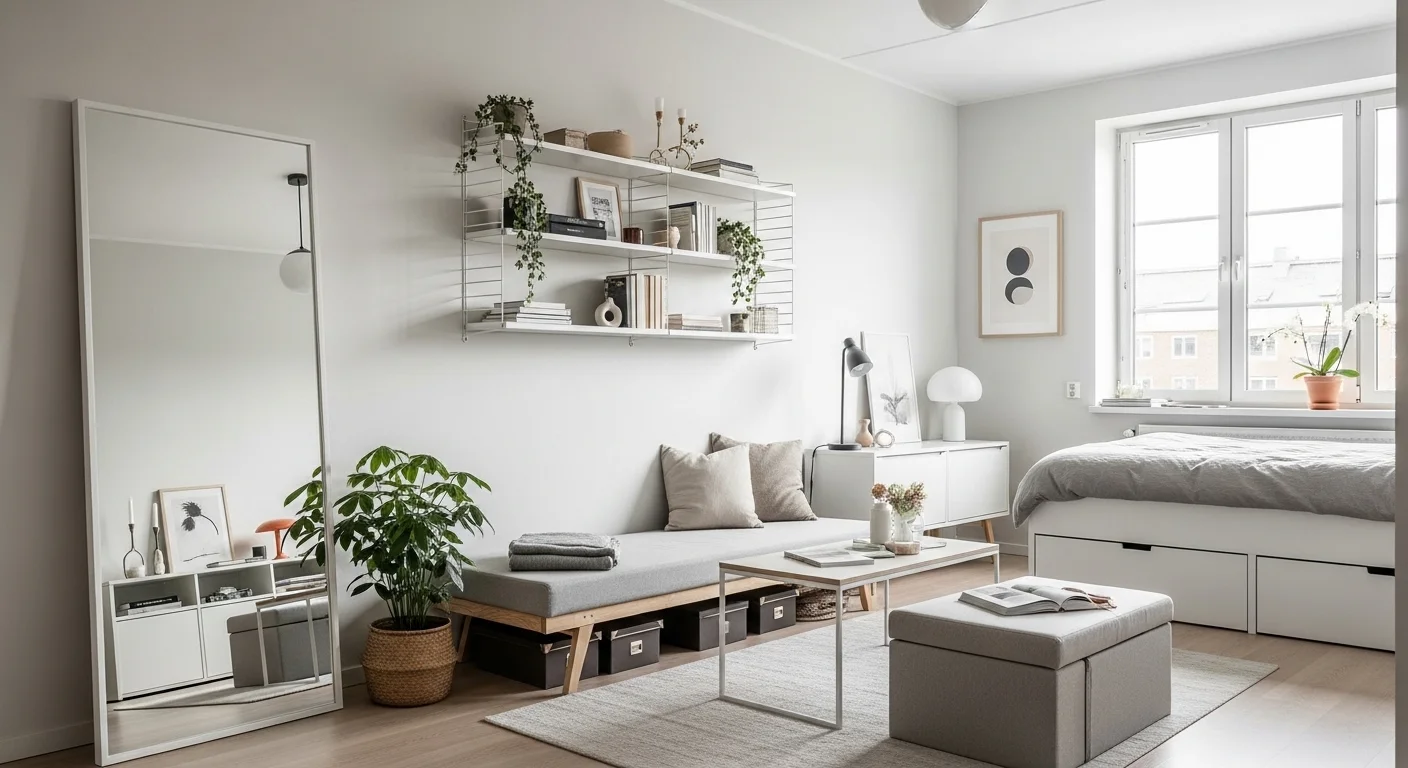
I lived in a 450-square-foot studio apartment for three years. Not by choice initially, it’s what I could afford in a city where rent prices had lost all connection to reality, but it taught me more about space-saving design than any interior design course could have.
The problem with most “space-saving tips” articles is they’re written by people who’ve clearly never had to fit their entire life into a space the size of most people’s living rooms. They suggest things like “use baskets for storage!” as if the issue is organization rather than the fundamental lack of square footage. Or they show you these gorgeous minimalist spaces that work great if you own exactly twelve items and never cook, work from home, or have hobbies.
Real space-saving design is about trade-offs, priorities, and getting creative with the non-negotiable stuff. It’s about making a small space actually livable, not just photogenic. Here’s what I learned from years of living small, plus what I’ve picked up from helping friends maximize their cramped apartments, awkward rental layouts, and starter homes that came with closets clearly designed for dolls.
1. Multifunctional Furniture

Choose furniture pieces that serve multiple purposes, such as a sofa bed or an ottoman with storage inside. This not only saves space but also adds versatility to your living areas.
2. Wall-Mounted Shelves

Utilizing wall space is crucial in small rooms. Install floating shelves to display books, plants, or decorative items. This draws the eye upward, creating an illusion of height while freeing up valuable floor real estate.
3. Under-Bed Storage
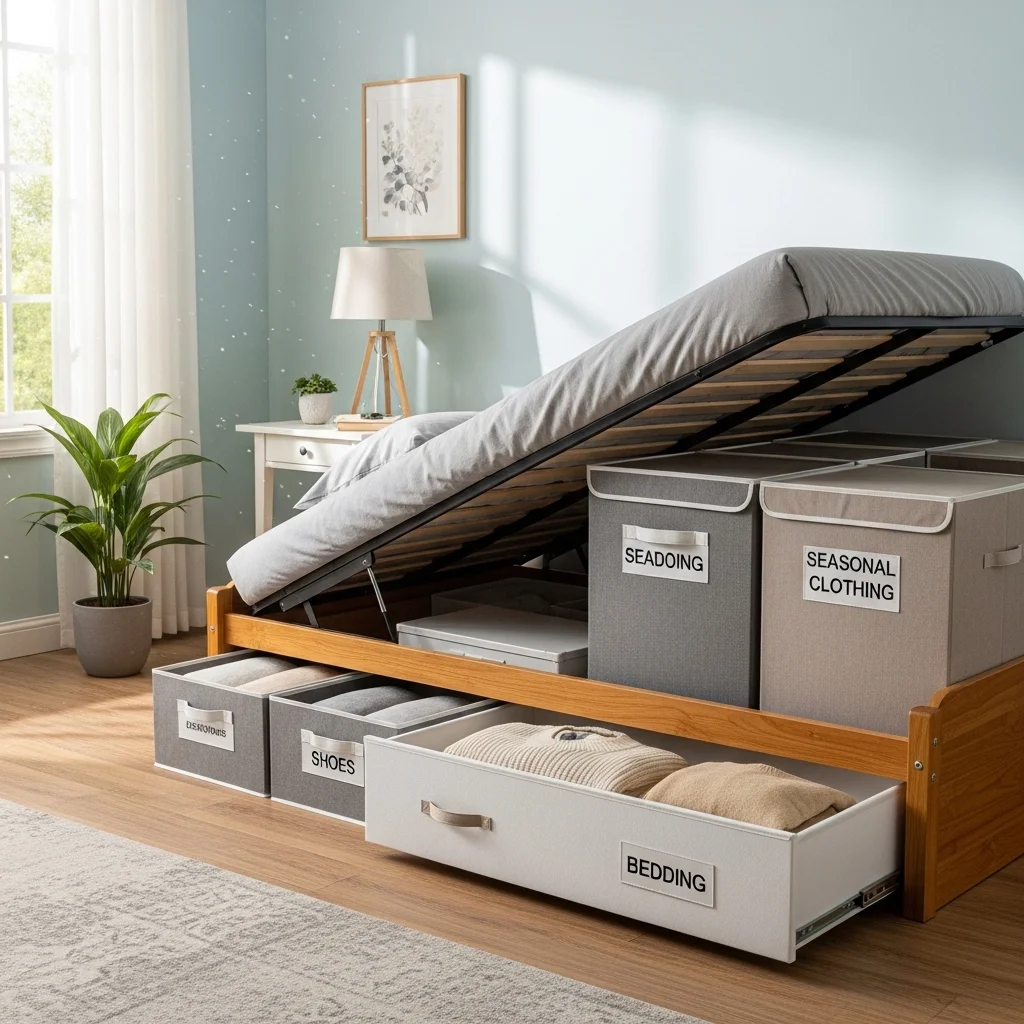
Make use of the space beneath your bed by adding storage bins or drawers. This is perfect for stowing away seasonal clothing, shoes, or extra bedding, keeping your room neat and organized.
4. Pegboards for Organization

Install a pegboard in places like the kitchen, entryway, or home office. They can hold everything from pots and pans to office supplies, allowing you to keep essential items visible and easily accessible.
5. Collapsible Decor
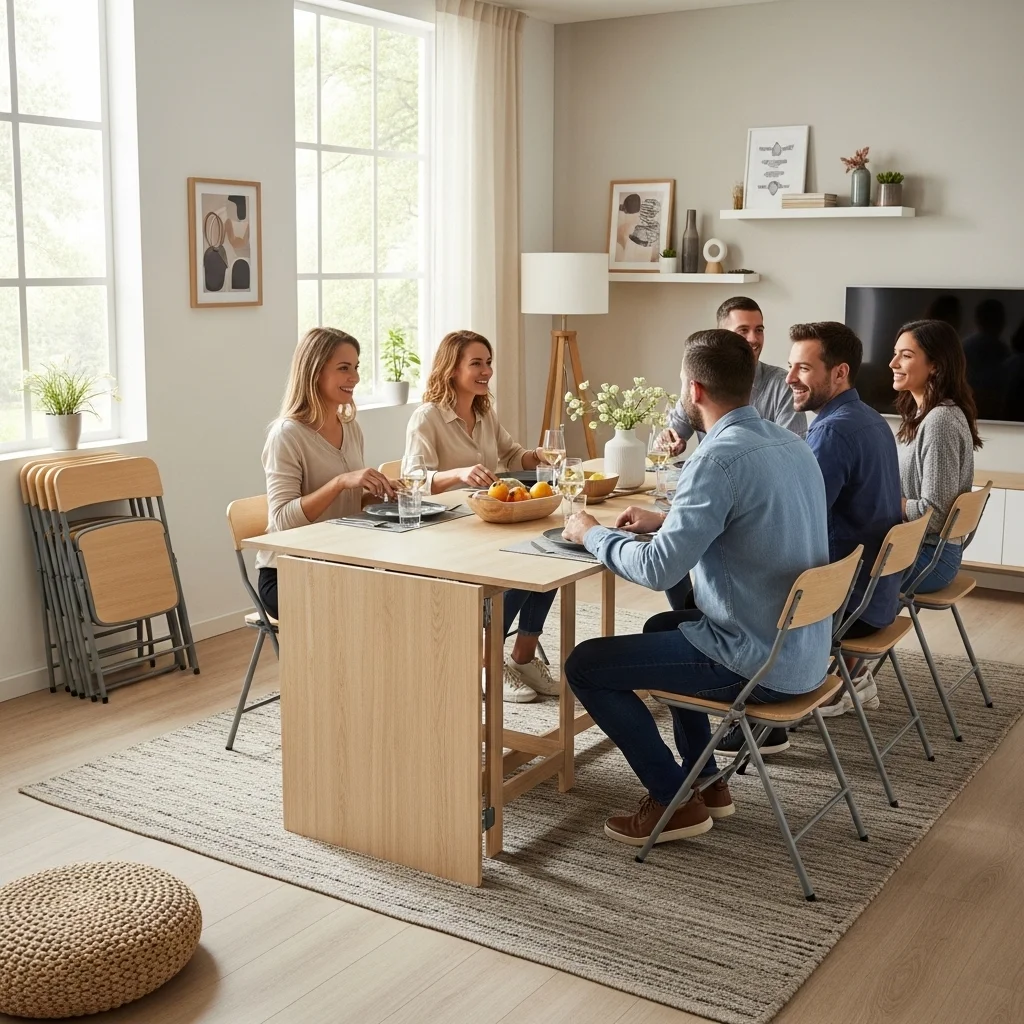
Opt for collapsible furniture like foldable tables or chairs, which can be easily stored when not in use. This allows you to create additional space when entertaining guests without overwhelming your area.
6. Creative Storage Solutions

Use decorative baskets or stylish boxes to organize items without making them look cluttered. This is especially effective in open settings like living rooms or bathrooms, where functionality meets aesthetic appeal.
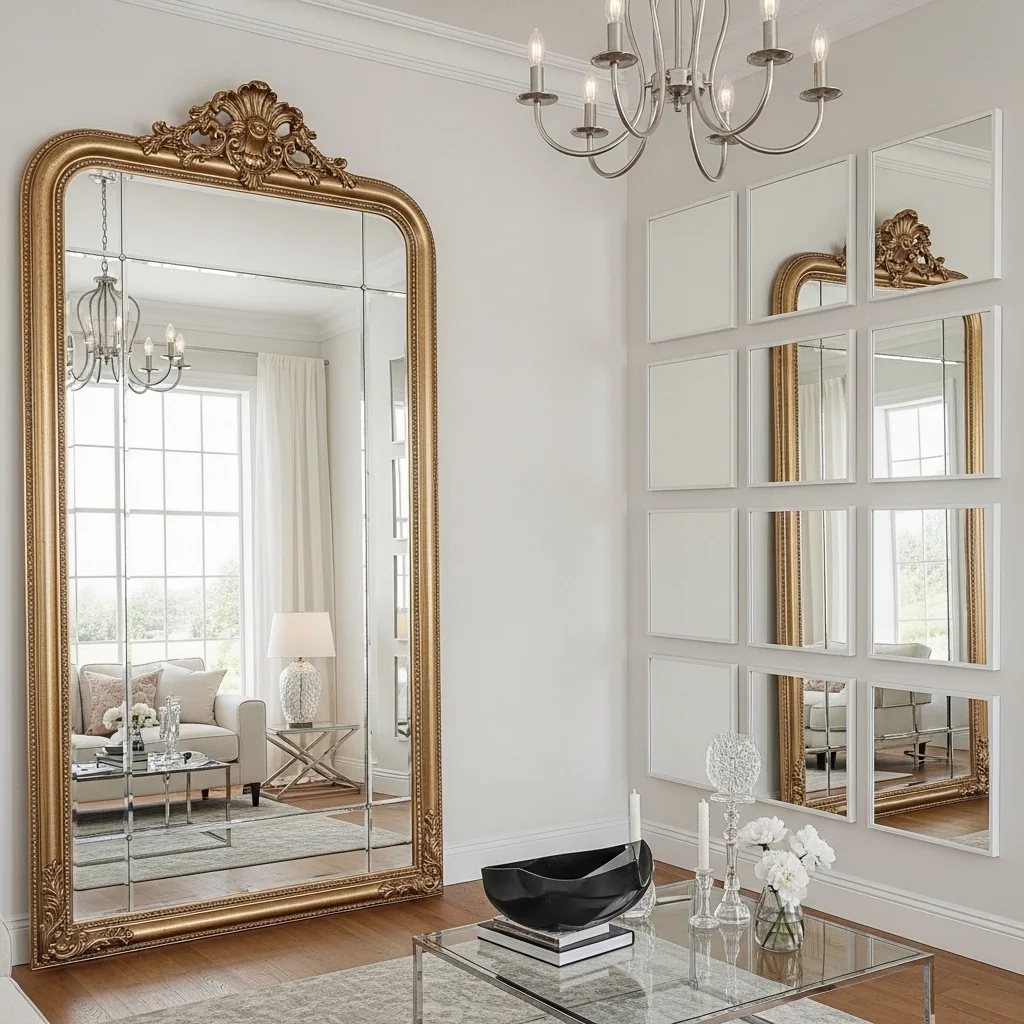
7. Mirrors to Enhance Space

Strategically place mirrors to give the illusion of a larger space. They reflect light and create a sense of openness. A large statement mirror can also act as a beautiful focal point.
8. Vertical Gardens
Bring the outdoors in with vertical gardens. Hanging planters not only save space but can also purify the air and enhance the visual appeal of your living areas.
9. Knotless, Foldable Rugs

Consider using foldable or knotless rugs that can be easily rolled up and stored away. They provide comfort and style when in use and can be effortlessly stored to maintain an open space.
10. Smart Lighting Solutions
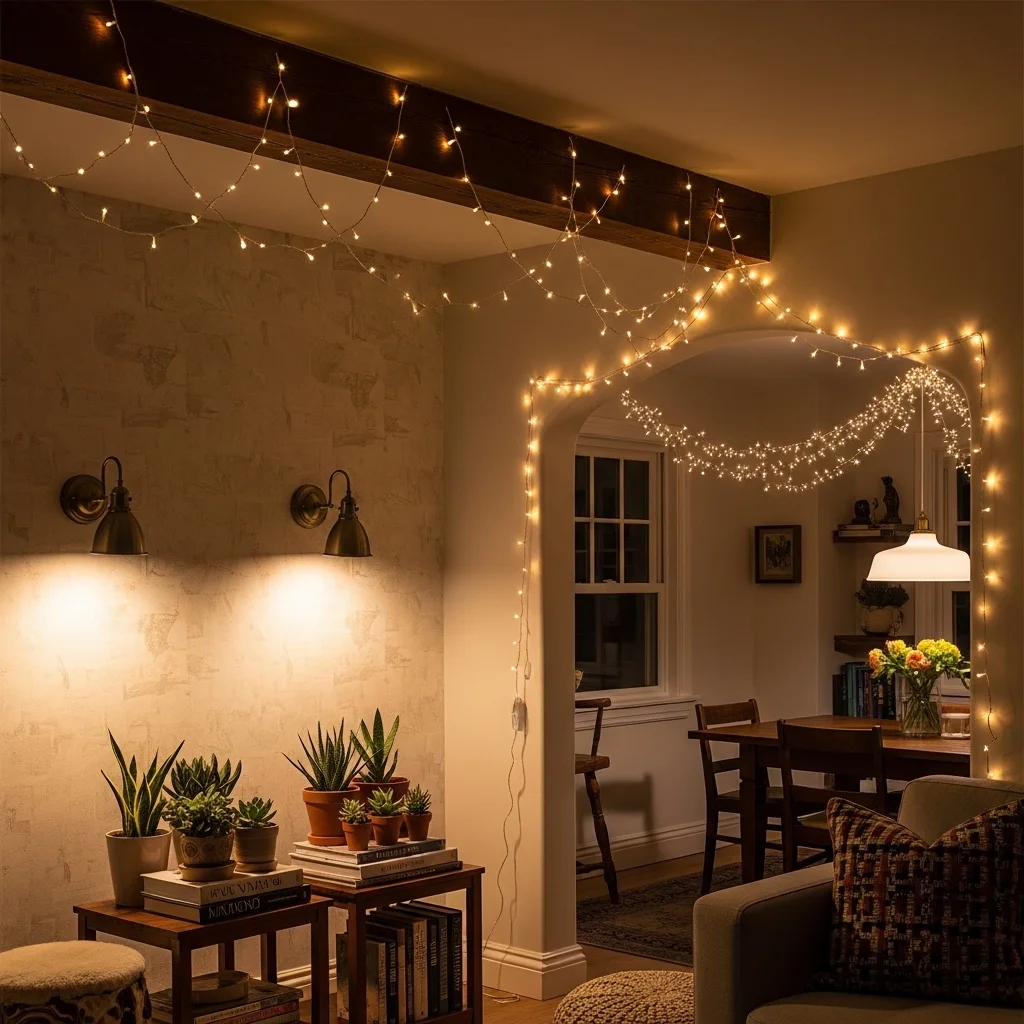
Incorporate lighting that serves a dual purpose. For instance, wall sconces can provide light while freeing up table space for decor. Opt for dimmable lights or string lights in creative arrangements to enhance the ambiance.
What Actually Matters in Small Space Living
After years of making mistakes and figuring out what works, here’s my honest take: space-saving design is 20% clever furniture and 80% being ruthless about what you own and how you store it.
The furniture hacks help. They create marginal improvements that add up. But if you’re trying to fit too much into too little space, no amount of multifunctional furniture or vertical storage will solve the fundamental problem.
The good news is that living in a small space makes you intentional about everything. You can’t impulse-buy decorative items because there’s literally nowhere to put them. You can’t keep clothes you don’t wear because the closet space doesn’t exist. You learn to value quality over quantity because you simply don’t have room for mediocre stuff you don’t love.
My space now is bigger. I graduated from the studio to a one-bedroom, but I still use most of these principles. Clear surfaces. Furniture with legs. Wall-mounted storage where possible. The one-in-one-out rule for clothes.
Because at the end of the day, space-saving design isn’t really about saving space. It’s about creating room to breathe, to move, to live comfortably. It’s about making sure your home serves you rather than you serving your stuff.
And that’s valuable whether you live in 400 square feet or 4,000.