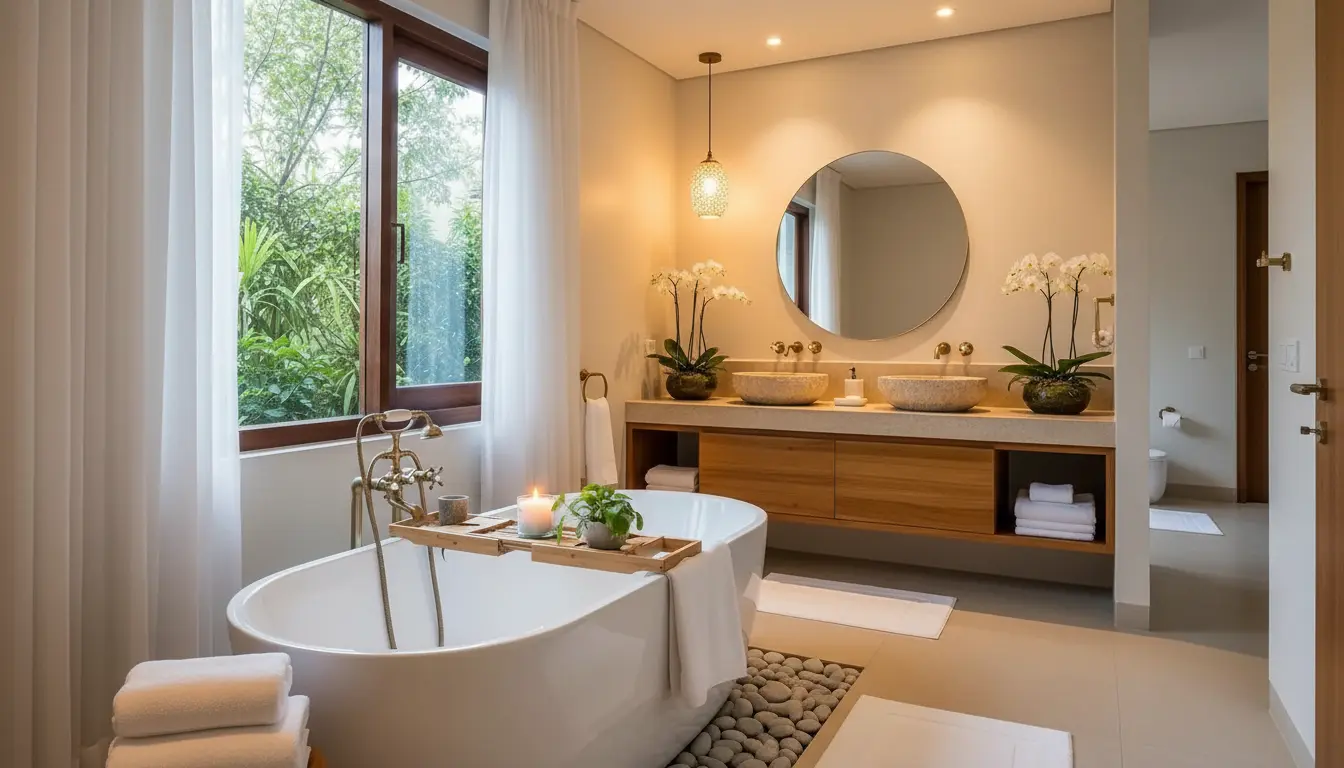
There’s a specific kind of tension that settles in your shoulders by 6 PM. You’ve been scrolling, driving, working, and responding to emails. When you finally turn off the tap and step into your bathroom to wash your face, it shouldn’t just feel like a utility room. It should feel like the last stop before bed a place where the rest of the world dissolves away.
I remember walking through a high-end hotel spa years ago and realizing why I couldn’t sleep in my own apartment at night. It wasn’t the bed. It was the bathroom. The scent, the temperature of the towels, the way the light hit the tiles it all whispered “rest.” Since then, I’ve spent a lot of time experimenting with how to bring that feeling home without needing a five-figure renovation.
Creating a spa sanctuary isn’t about marble everywhere or gold faucets. It’s about intentionality. It’s about designing a space that signals to your nervous system that it’s time to let go. Here are ten practical ways to transform your daily routine into a ritual, grounded in design principles that actually work.
1. Anchor the Space with Natural Materials
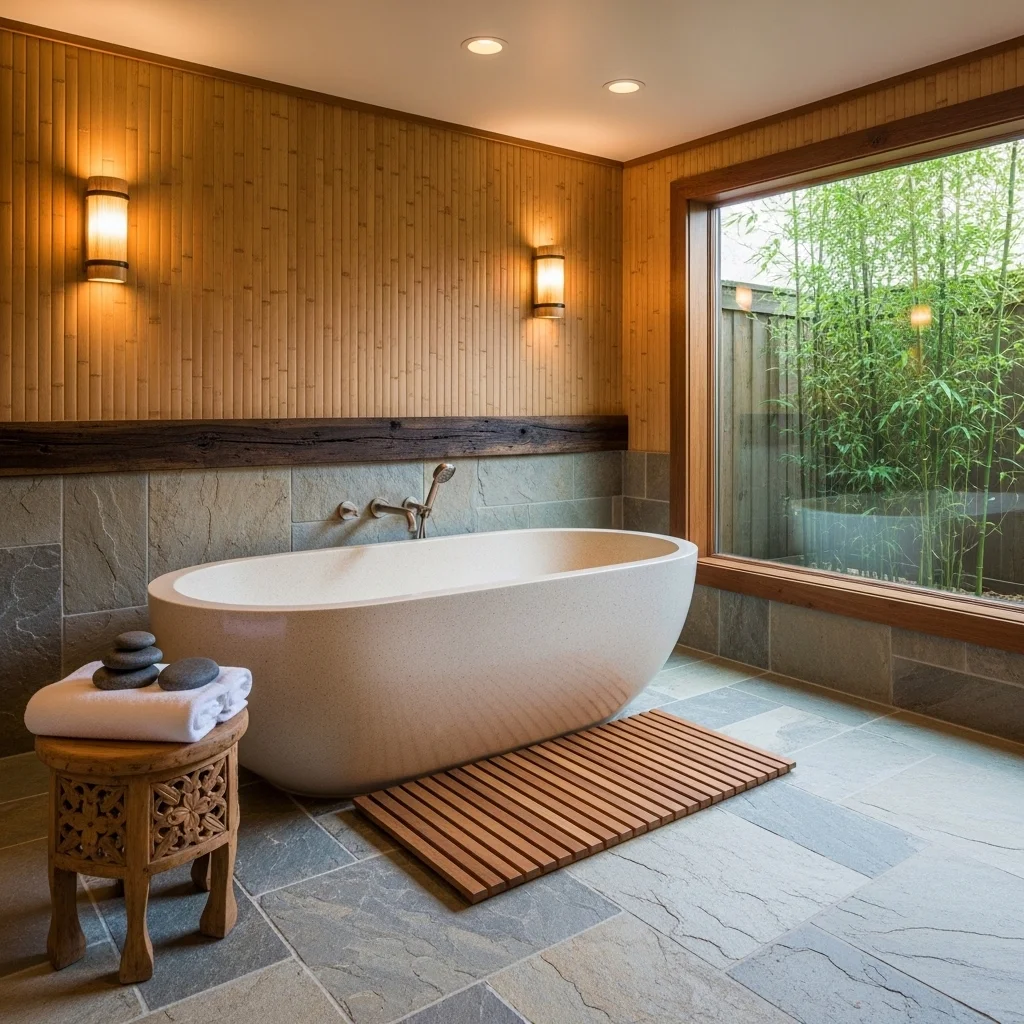
Nothing says “spa” quite like the texture of nature under your fingertips. We often think of stone and wood as luxurious, which they are, but they also ground us. However, choosing the right material matters immensely in a wet environment.
If you love wood, look for teak bath mats rather than generic pine. Teak has natural oils that resist water rot and mold, meaning it won’t warp after a few humid showers. For flooring or walls, consider large-format stone tiles with a matte finish. Glossy tiles can feel cold and clinical; a honed stone surface feels warmer and softer, even when barefoot. In my own bathroom, swapping plastic shelves for open teak shelving changed the entire energy of the room instantly. Just remember: natural stone needs sealing. If you install slate or limestone, ask your installer about resealing schedules to protect them from soap residue and water damage.
2. Master the Lighting Temperature
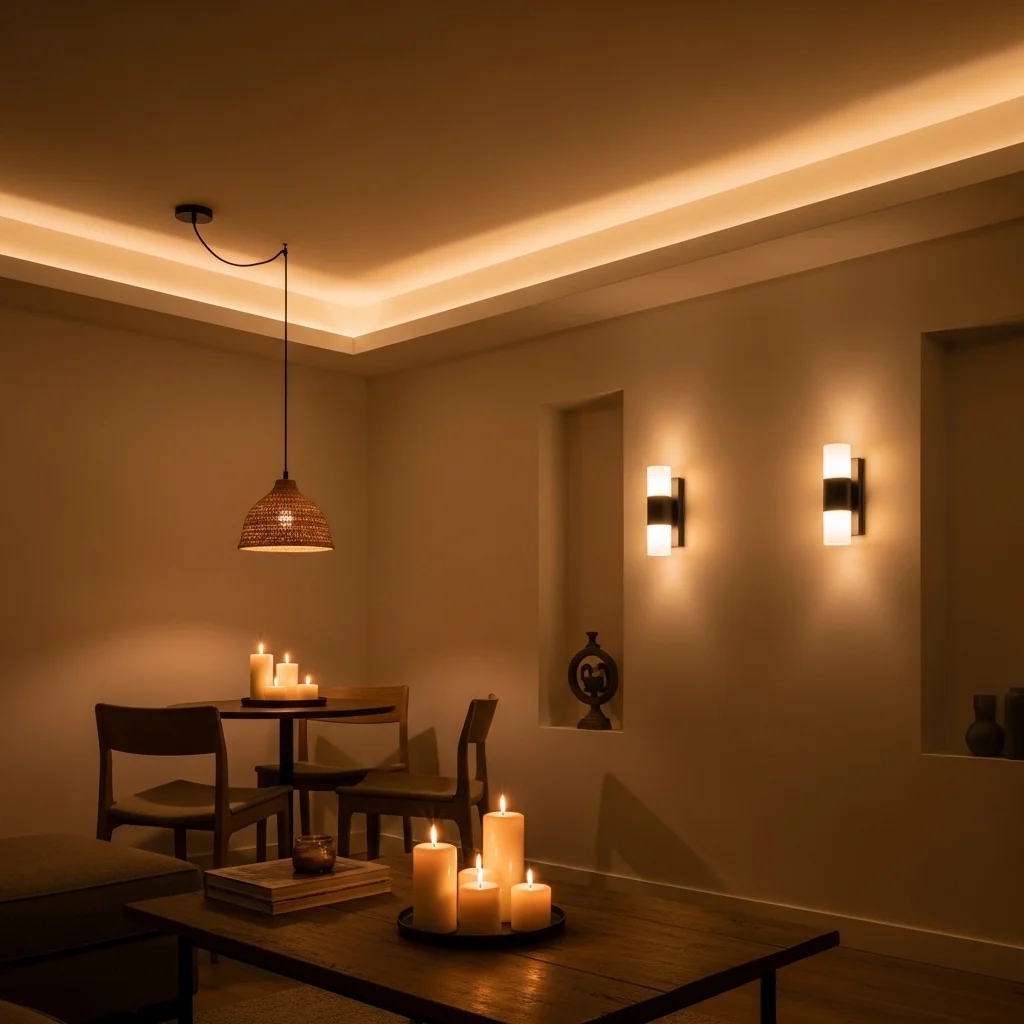
Harsh overhead lighting is the enemy of relaxation. It mimics the office fluorescent tubes that keep us alert, which is exactly what you don’t want at night. The shift to spa vibes starts with the switch box.
Replace bright cool-white bulbs (5000K+) with soft warm-white options (2700K to 3000K). If your bathroom has dimmer switches, use them religiously. I installed two-layer lighting in my guest bath: one main fixture on a dimmer for functionality, and a pair of sconces near the mirror for evening glow. Wall sconces cast a flattering light on your face (avoiding the harsh shadows overhead lights create) and provide a visual barrier between the ceiling and floor. If rewiring is out of reach, plug-in LED candles placed safely away from water sources can do wonders to soften the atmosphere without breaking the bank.
3. Choose an Earthy, Grounding Palette
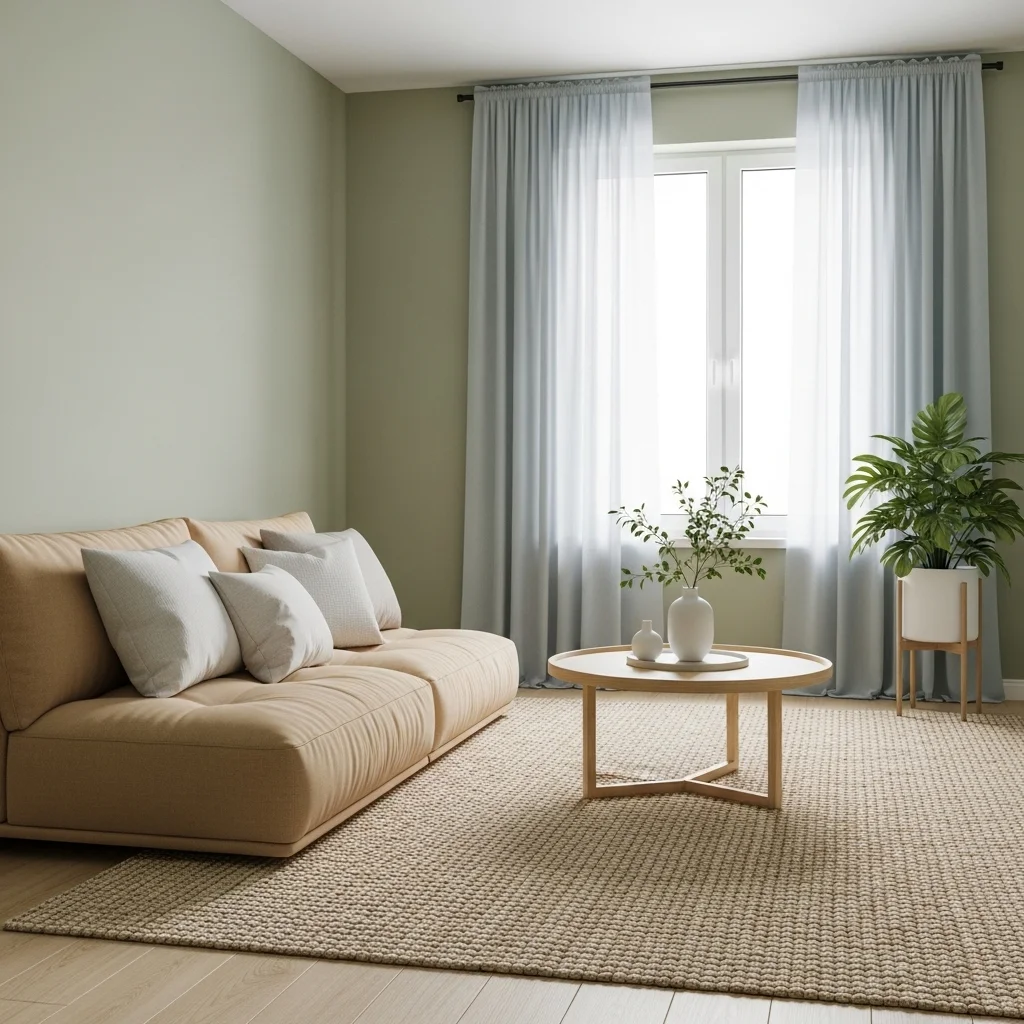
Color psychology plays a bigger role than you might think. While white feels clean, too much stark white can feel sterile like a clinic. To emulate a Zen retreat, lean into tones found in nature. Think sage greens, warm sand beiges, soft greys, and gentle taupes.
These colors reduce visual stress. When I chose a palette of warm beige for my walls, the room felt cozier immediately. Darker tones can work beautifully in powder rooms or smaller spaces too; a deep charcoal accent wall behind a vanity can feel incredibly enveloping. The goal isn’t to make the room invisible, but to make the colors blend so your eyes don’t dart around looking for distractions. If painting feels daunting, start with accessories. Towel sets and shower curtains in muted earth tones are the easiest way to test a color scheme before committing to paint.
4. Introduce Greenery (But Choose Wisely)
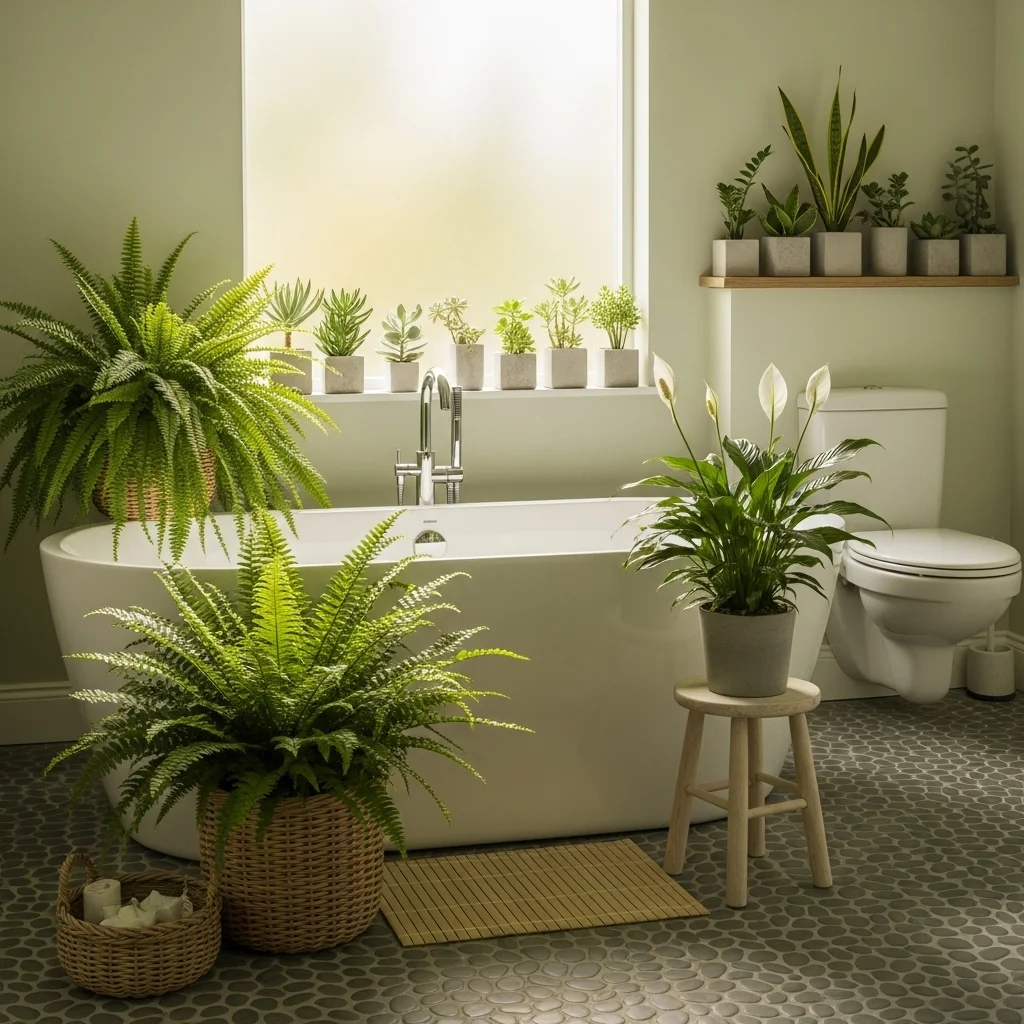
Bringing nature inside helps purify the air and adds life to a tiled room, but bathrooms are tricky places for plants. High humidity can kill some species, while others thrive. I lost a beautiful fern within a month of moving it into my bathroom because it loved too much moisture.
Opt for hardy survivors that tolerate low light and variable humidity. Snake plants, ZZ plants, and pothos are nearly indestructible. Place them on windowsills where they get indirect sunlight, or hang them in macramé hangers to free up counter space. Avoid placing plants directly in the line of hot steam from a shower. Water them sparingly overwatering is a faster killer than neglect in a bathroom setting. Even artificial greenery, if high-quality, can maintain the aesthetic without the maintenance risk if your bathroom gets little natural light.
5. Invest in Weighted Textiles
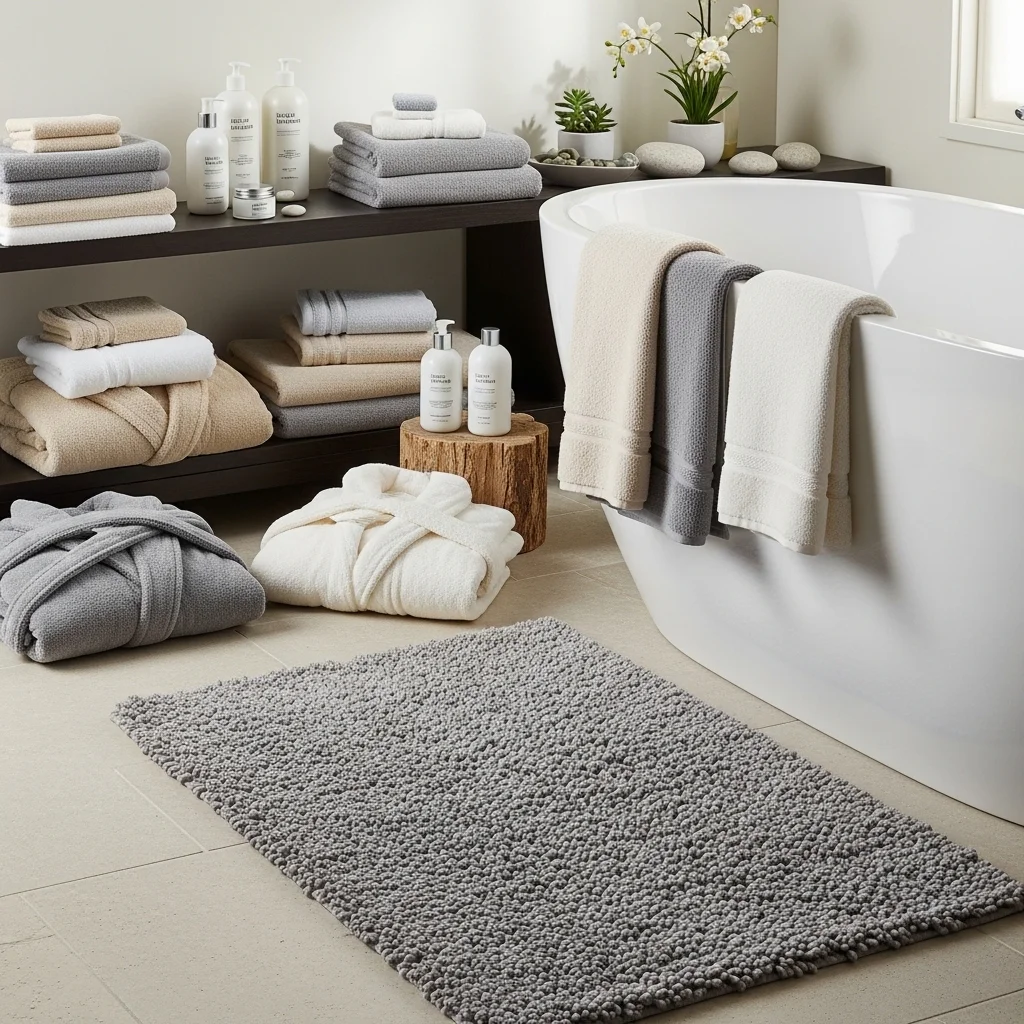
The first thing you touch when you step out of a shower is your towel. There is no greater luxury than wrapping yourself in something substantial. Cheap towels dry quickly but feel scratchy and thin.
Look for towels labeled with their GSM (grams per square meter). For a spa feel, aim for 600 GSM or higher. These hold heat better and absorb water efficiently without leaving you dripping on the floor. Match your robe and bath mat to the set in both texture and weight. Neutral tones cream, oatmeal, charcoal stay relevant as trends change, but adding texture through waffle weaves or linen blends keeps it interesting. Wash them regularly, but skip the fabric softener; it coats the fibers and makes them less absorbent over time. Using vinegar as a rinse cycle additive keeps them fluffy and fresh.
6. Curate Your Scents Carefully
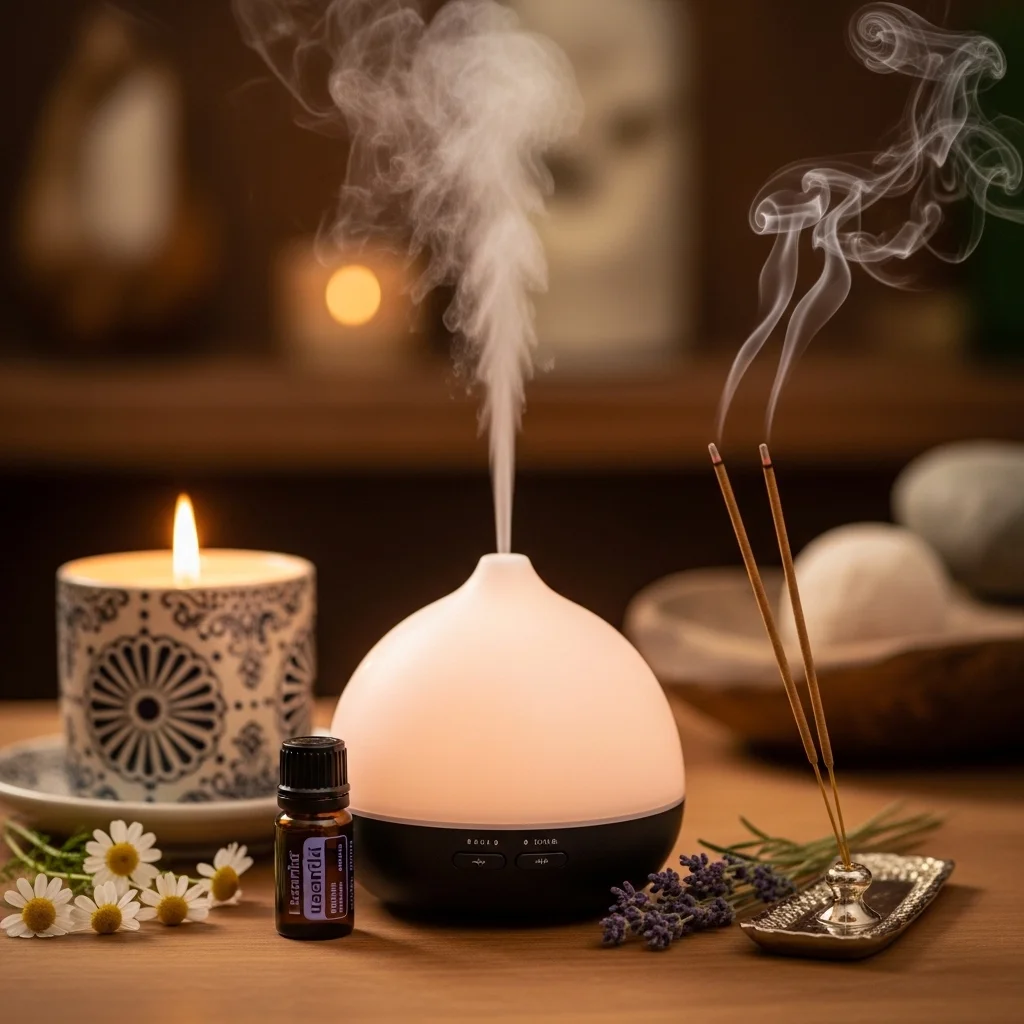
Smell is the sense most closely tied to memory and emotion. The moment you smell eucalyptus or lavender, your brain shifts gears. However, in a small, enclosed space like a bathroom, scent management requires balance. Too strong, and it triggers headaches; too subtle, and you miss the effect.
Electric essential oil diffusers are safer than candles near open sinks or bathtubs, but they require electricity nearby. Reed diffusers are a great middle ground they offer a constant, low-level scent without an open flame. If you love candles, invest in soy-based ones with cotton wicks, which burn cleaner than paraffin. Stick to calming profiles: chamomile for sleep, citrus for morning energy, or eucalyptus for respiratory relief during a steamy shower. Ventilation is key here too; an exhaust fan ensures the fragrance lingers pleasantly rather than trapping stale humidity.
7. Embrace Radical Minimalism
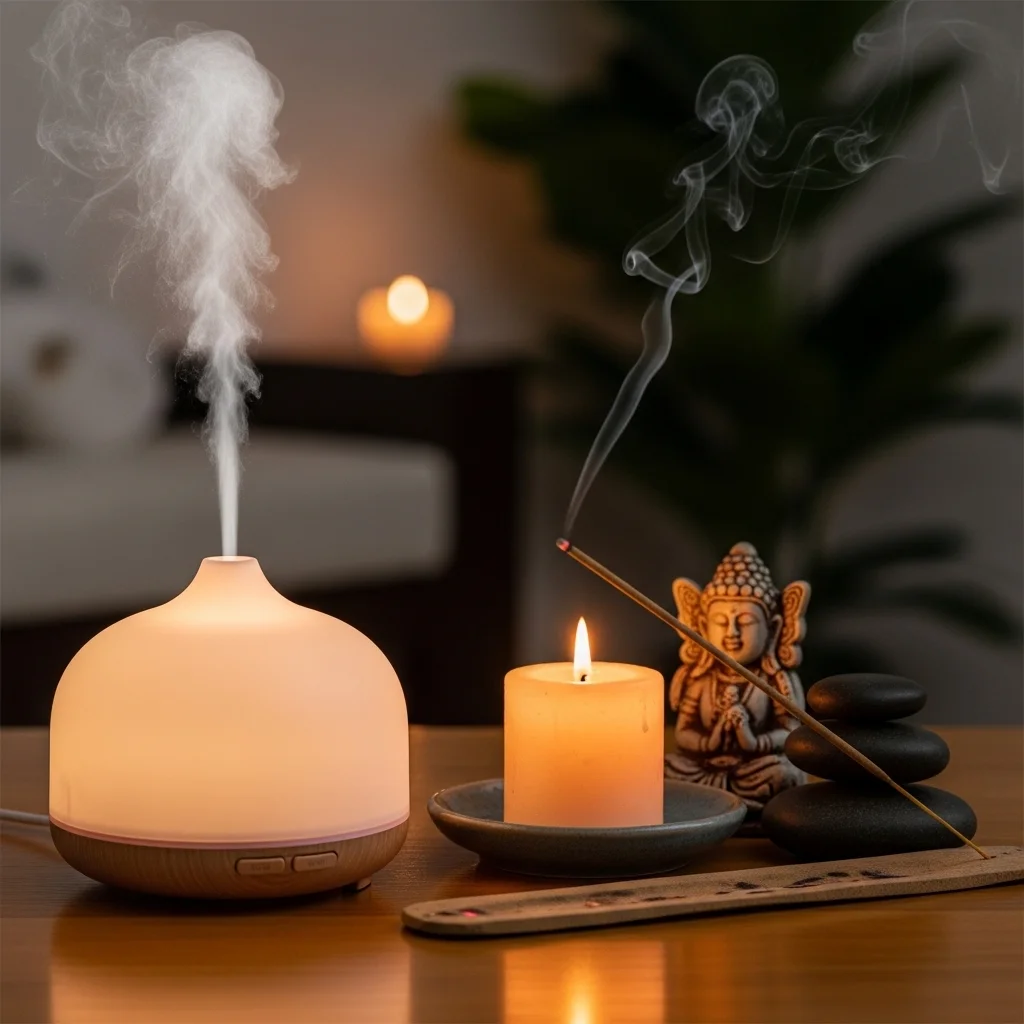
This is the area where many people struggle. We treat bathroom counters like storage units. Bottles of shampoo, makeup brushes, hairspray bottles, and razors clutter the visual field, creating subconscious stress. A spa doesn’t have clutter.
Clear everything off the counter except the essentials. Use a decorative tray to corral daily items like hand soap or a moisturizer bottle. Move hair tools and infrequently used products into a drawer or cabinet. If you’re short on storage, hanging hooks for robes and towels can keep floors clear, making the space feel wider. The goal is to leave negative space on your surfaces. Empty countertop space signals calmness to your brain. If you absolutely cannot hide an item, find a vessel that matches your color palette a glass jar for cotton pads looks far nicer than a plastic container.
8. Layer in the Sound of Water
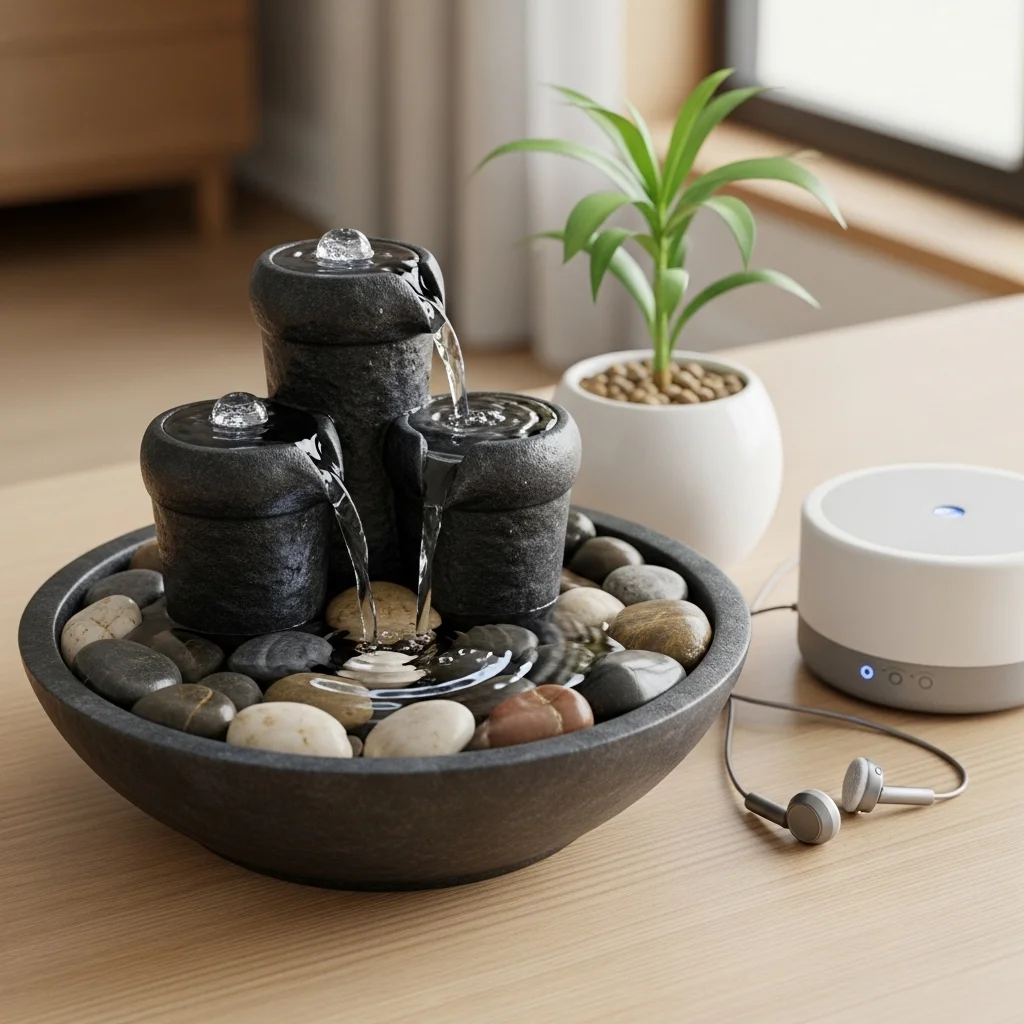
Silence is nice, but sometimes the hum of traffic outside prevents total peace. Introducing a gentle soundscape can mask background noise and induce relaxation. The sound of running water is inherently soothing because it connects us back to natural cycles.
If installing a tabletop fountain isn’t feasible due to humidity concerns, a dedicated Bluetooth speaker or even a small smart display set to play rain sounds or white noise works wonders. Keep the volume low; it should be a whisper, not a backdrop. In a shared bathroom, a waterproof Bluetooth speaker mounted securely on the shower wall transforms a quick rinse into a personal concert. Just ensure any electronics are rated for bathroom damp zones to avoid safety hazards.
9. Upgrade the Sensory Experience of the Shower
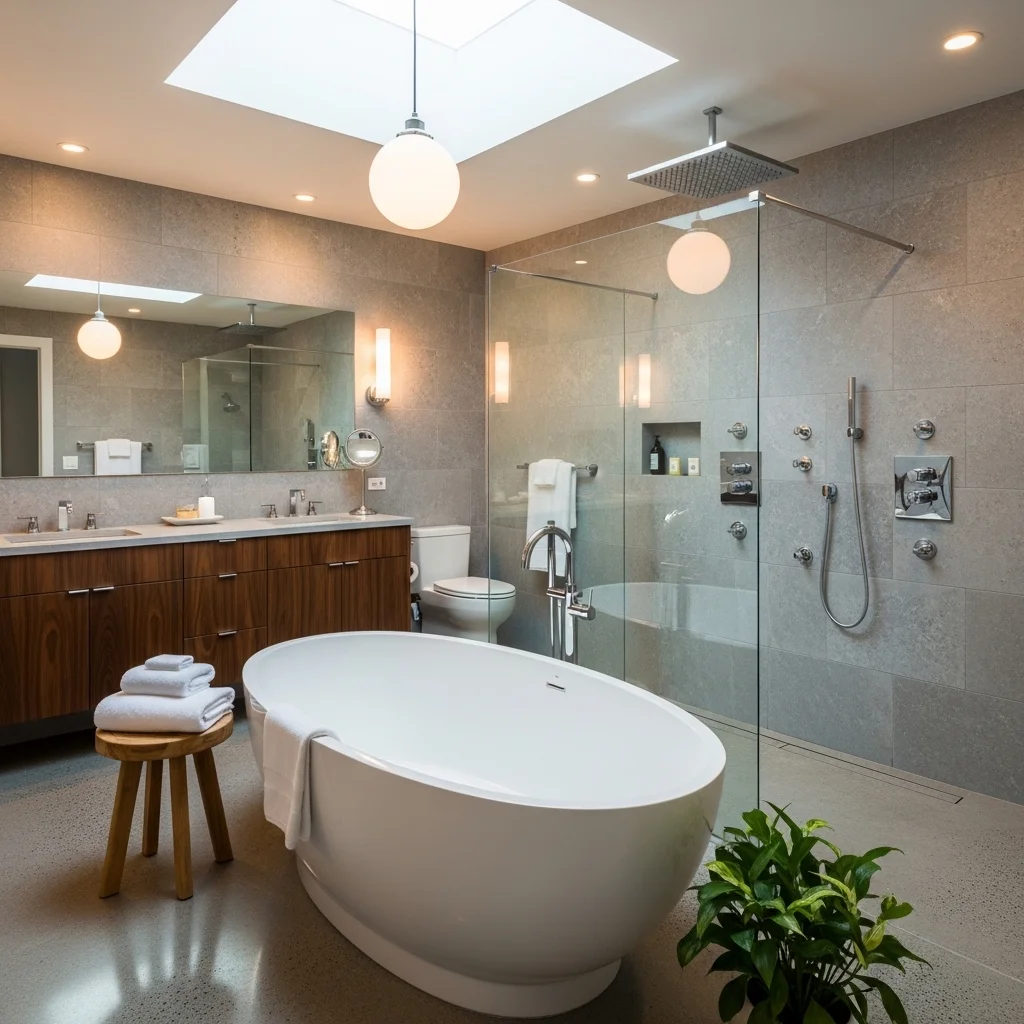
Not everyone can afford a freestanding soaking tub or a custom steam shower installation, but the feeling of a luxury shower is accessible through smaller updates. The biggest game-changer? The showerhead.
Standard builders’ showerheads often deliver a weak or uneven stream. Swapping to a handheld rain showerhead with adjustable pressure can cost $50-$100 but completely alters the sensory experience. Pair this with high-quality body washes and bath salts that dissolve slowly to create a fizzy, textured bath (if you have a tub). For those without a tub, a bath tray across the rim of the shower stall allows you to set down a book or a candle, extending the duration of your soak. Comfort isn’t just about size; it’s about control and sensory delight.
10. Select Mindful Accessories
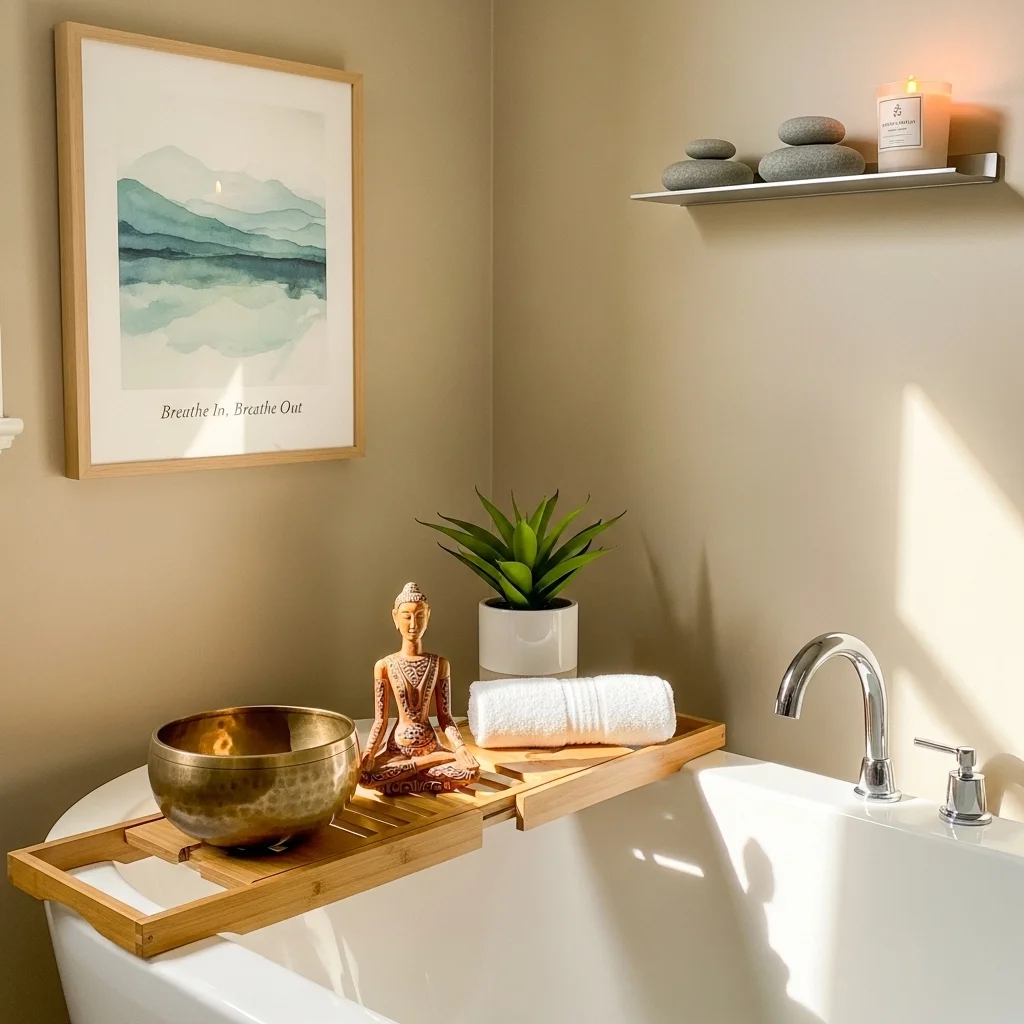
Finally, surround yourself with objects that encourage mindfulness. This goes beyond décor. It’s about keeping reminders to breathe or pause. A small ceramic bowl filled with sea salt or polished stones can serve as a tactile grounding object while you brush your teeth.
Avoid filling shelves with knick-knacks that serve no purpose unless they spark genuine joy. Artwork should be framed properly for bathroom conditions (UV protection prevents fading, and sealed frames protect against mold). A single piece of calming photography or a botanical print can anchor the room. Some people find inspiration in calligraphy prints featuring words like “Breathe” or “Slow,” though be careful not to make the space feel like a command center. The accessories should support your presence, not demand your attention.
Creating a Sanctuary That Lasts
Transforming your bathroom into a spa isn’t a weekend project; it’s a mindset shift. You might not do all ten of these things at once, and that’s okay. Maybe you start by clearing off the counter and buying a new shower curtain. Next month, you upgrade your towels. Little changes accumulate.
The best part about a spa bathroom is that it benefits the whole household. Even guests will notice the difference. But mostly, you will. When you enter that room, the door should close behind you like a period at the end of a sentence. Everything else can wait until tomorrow.
Post Tags: #spa bathroom decor #zen bathroom #small bathroom ideas #budget bathroom decor