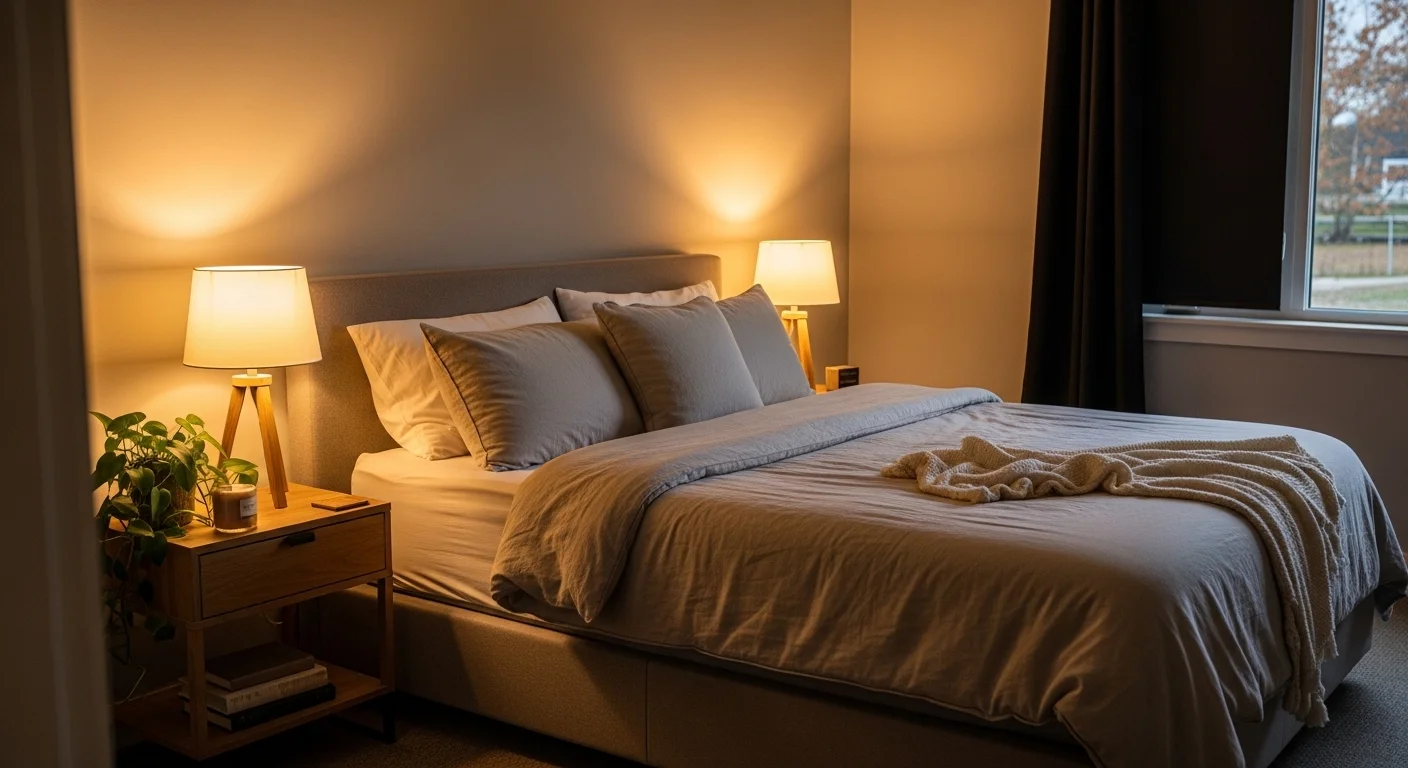

I’ll never forget the couple who once told me their bedroom felt more like a waiting room than a sanctuary. The walls were stark white, the bedding was mismatched, and honestly, the whole space had all the romance of a dentist’s office. Six weeks after we worked together on a complete color transformation, deep sage greens with warm terracotta accents, they sent me a photo of them having breakfast in bed, looking genuinely happy in their space. That’s when I truly understood: the colors you wake up to and fall asleep beside aren’t just decoration. They set the emotional temperature of your relationship.
After years of helping couples reimagine their bedrooms, I’ve learned that romantic color combinations aren’t about following rigid rules or copying magazine spreads. They’re about understanding how colors make you feel together, and then being smart about the implementation. Let me walk you through what actually works, based on real bedrooms and real couples, not just theory.
Why Bedroom Colors Matter More Than You Think
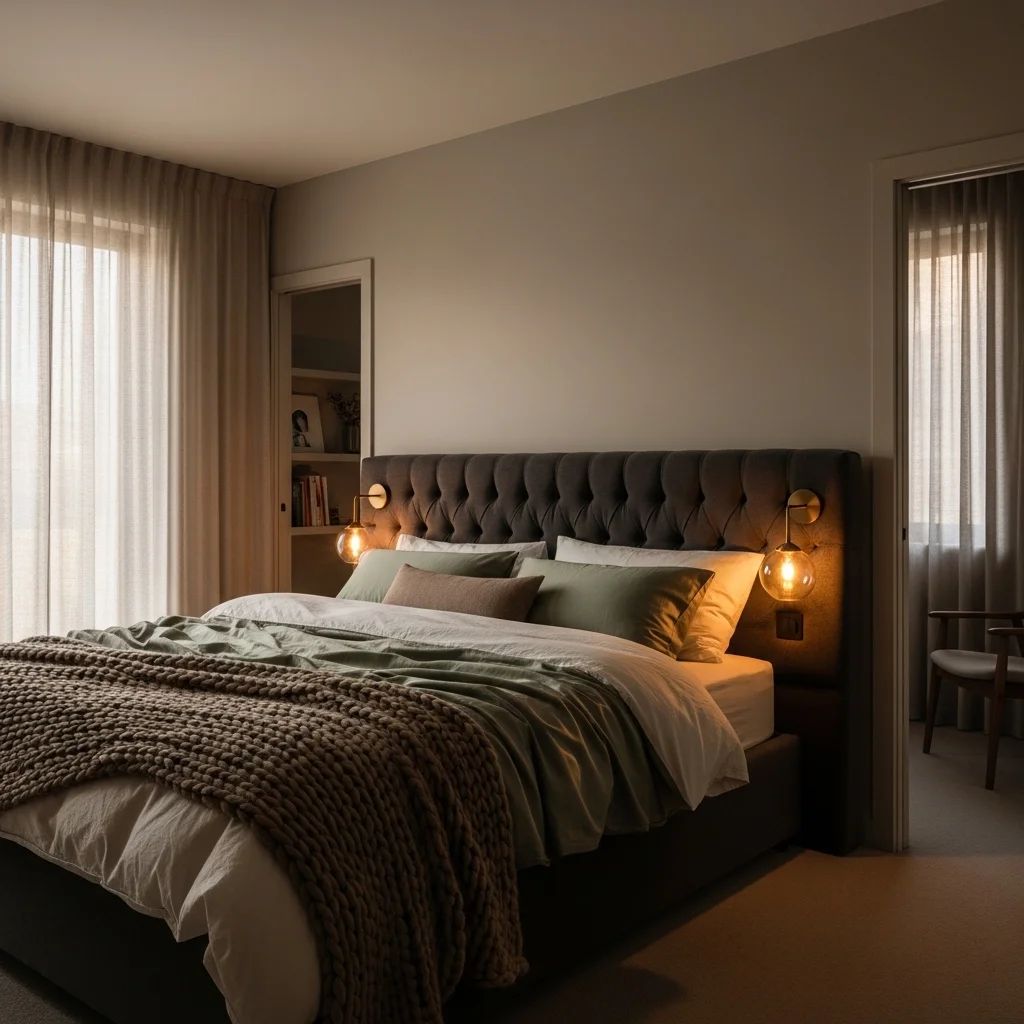
Your bedroom is the only room in your home that’s truly private. It’s where conversations happen without filters, where vulnerability isn’t performance. The colors surrounding these moments either support intimacy or work against it.
I’ve seen bedrooms painted in aggressive reds that made couples feel anxious rather than passionate. I’ve walked into sterile gray spaces that felt like upscale hotel rooms, pretty sure, but emotionally disconnected. And I’ve stood in bedrooms so dark that they felt oppressive rather than cozy.
The trick is finding that sweet spot where color encourages relaxation, intimacy, and connection without tipping into territory that’s either overstimulating or completely bland. It’s more nuanced than you’d think.
The Psychology Behind Romantic Colors (Without the Pseudoscience)
Let’s talk about color psychology for a minute, but let’s keep it grounded. I’m not going to tell you that painting your bedroom a specific shade will save your marriage or guarantee passion. That’s nonsense.
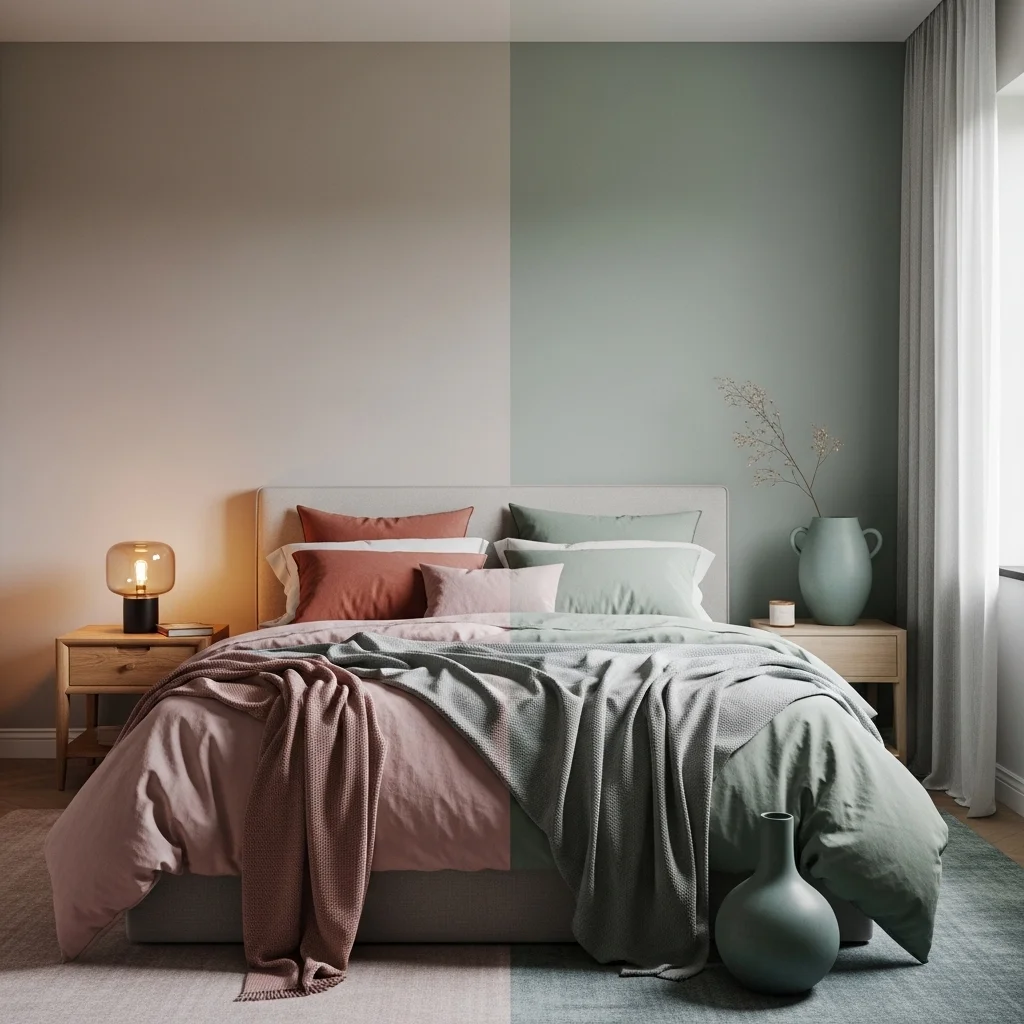
What I can tell you, based on both research and observation, is that colors influence our nervous system responses. Warm colors (reds, oranges, warm pinks) tend to energize and stimulate. Cool colors (blues, greens, purples) generally calm and soothe. Neutrals create a backdrop that can go either way depending on undertones and accent colors.
For romance, you’re usually looking for colors that encourage relaxation first, because genuine intimacy rarely happens when you’re stressed or overstimulated. But you also don’t want a bedroom so sedative that it feels clinical. The best romantic bedrooms I’ve seen strike a balance; they’re calming enough to decompress but warm enough to feel inviting.
Classic Romantic Combinations That Actually Work
Soft Blush and Cream
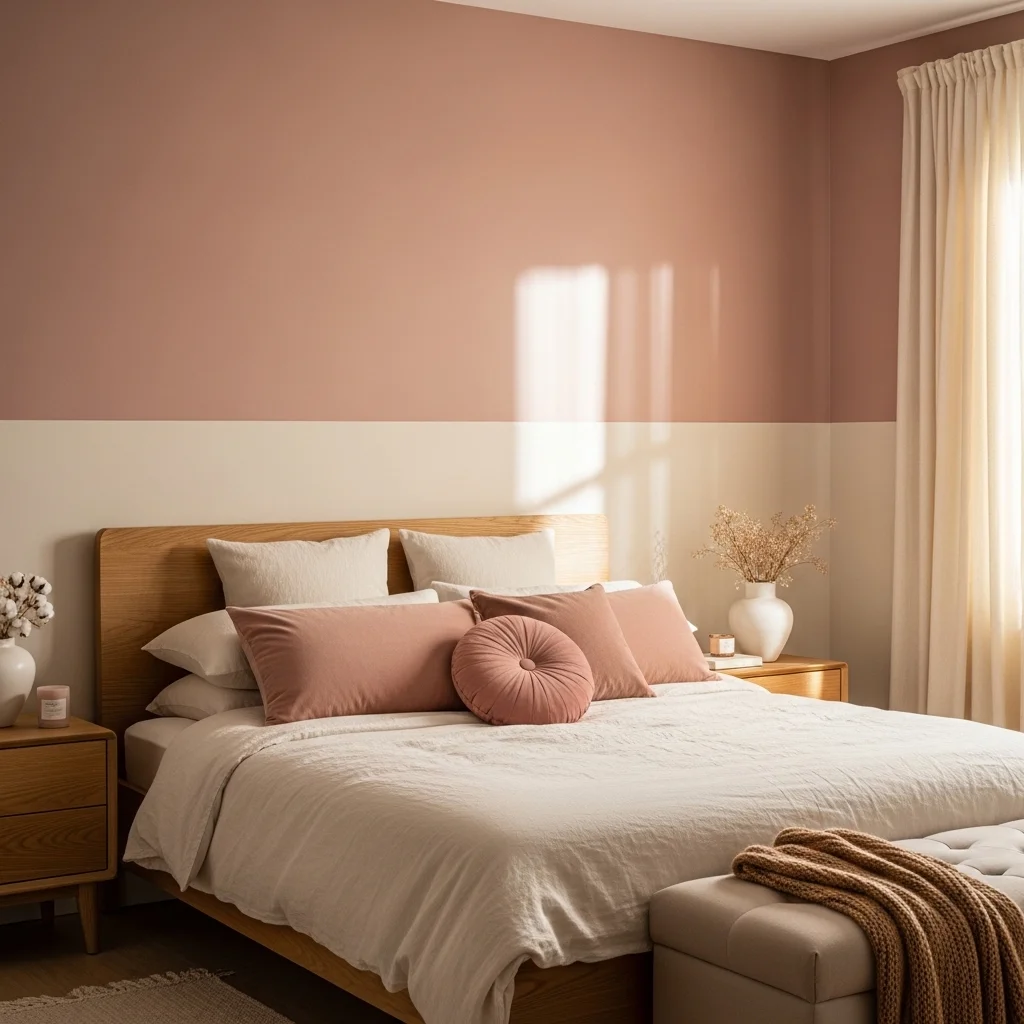
This might sound predictably “romantic,” but there’s a reason it works. When I suggest blush tones to couples, I’m usually met with skepticism from at least one partner who thinks it’ll feel too feminine or too sweet. But modern blush isn’t the bubblegum pink of 1980s bedrooms.
Think dusty rose, terracotta-tinged pink, or greige with warm pink undertones. Paired with cream (not stark white, which creates harsh contrast), these colors create a genuinely soothing environment with just enough warmth to feel intimate rather than institutional.
A couple I worked with last year used Benjamin Moore’s “Proposal” (a gorgeous dusty pink) on their walls with creamy white trim and natural linen bedding. The husband, who initially resisted anything pink, later admitted it was the first bedroom where he actually felt like he could relax. The wife loved how it felt romantic without being overtly frilly.
How to use it: Paint three walls in your blush tone, keep one wall (preferably behind the bed) in cream for dimension. Use cream-colored bedding with blush accent pillows, and bring in natural wood tones to ground the space.
Deep Navy and Warm Gold
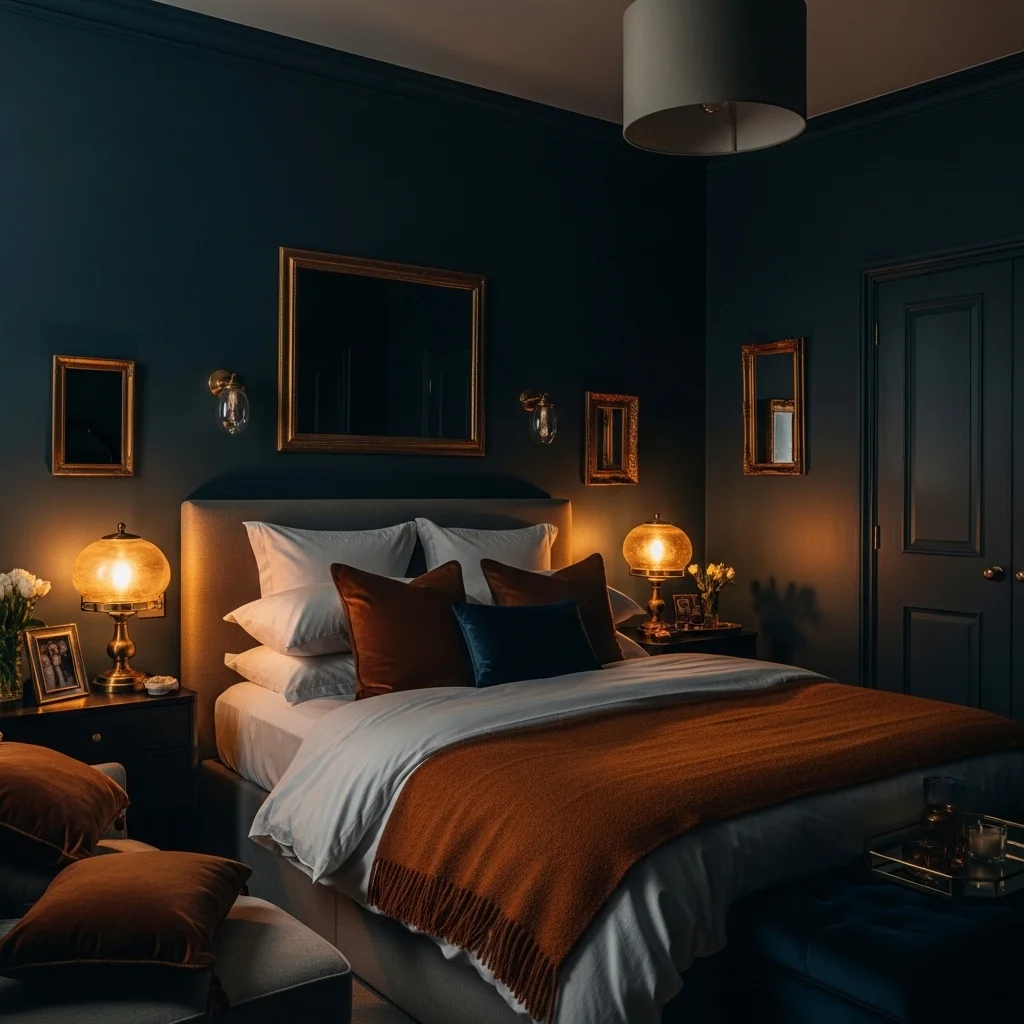
This combination feels sophisticated and cocoon-like, perfect for couples who want romance but with a more dramatic, mature aesthetic. Navy is interesting because it reads as both calming (it’s a blue) and grounding (it’s dark enough to feel substantial).
The key is the undertone of your navy. You want a navy with slight warmth to it, not an icy, cold naval uniform blue. Pair it with warm gold accents, not shiny brass (which can feel too bright), but aged gold, amber, or even burnt orange tones.
I recommended this to a couple who both worked high-stress jobs and needed their bedroom to feel like an escape from the world. We did navy walls (Farrow & Ball’s “Hague Blue”), warm white bedding with a burnt orange throw, and amber-toned lighting. They described it as feeling like being wrapped in velvet.
How to use it: Navy works best when your bedroom has good natural light during the day but can be darkened at night. Use it on all walls for a full cocoon effect, or on a single accent wall if you’re nervous about dark colors. Layer in gold through lighting fixtures, picture frames, and decorative accents. Keep bedding mostly neutral with pops of warm metallics.
Sage Green and Soft Clay
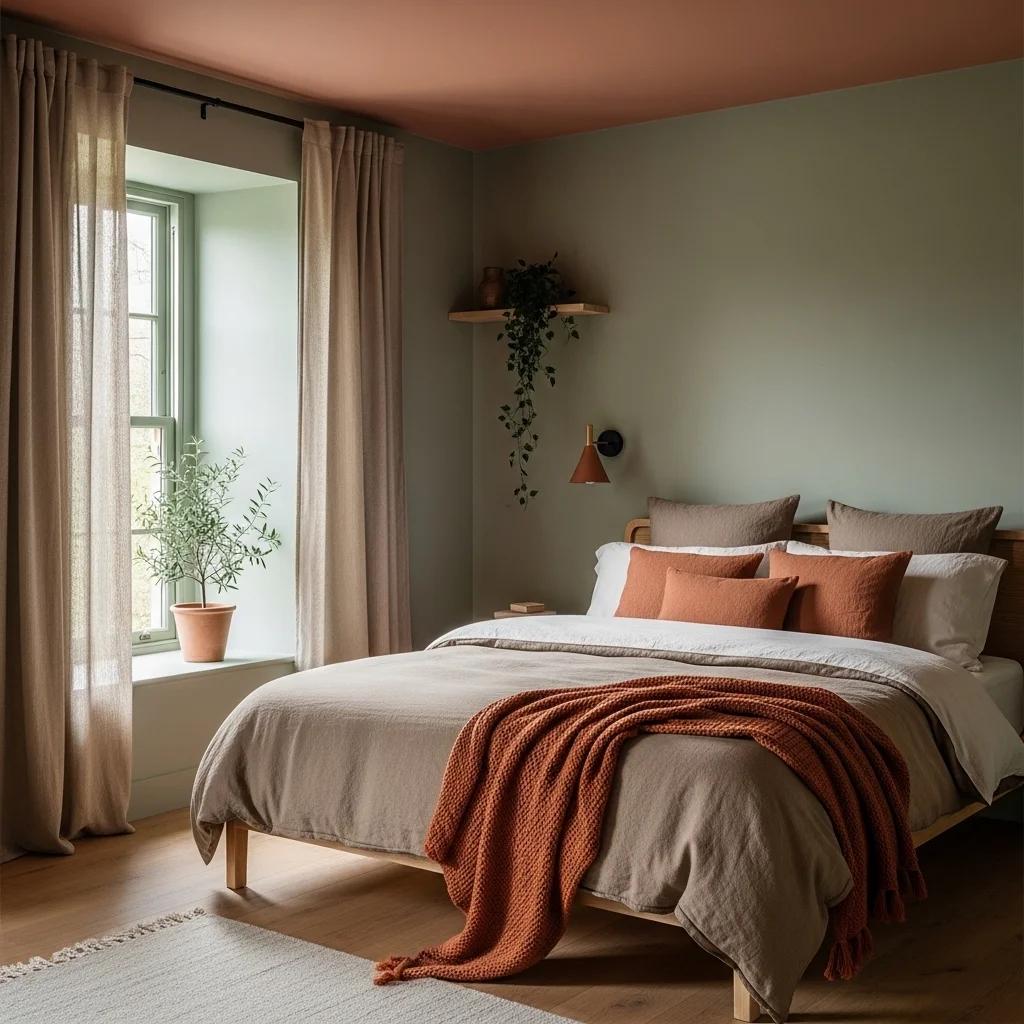
This is my personal favorite for couples who want a calming, nature-inspired space that still feels intimate. Sage green has become incredibly popular in the last few years, but the reason it works for romantic bedrooms isn’t just trendiness, it’s genuinely soothing without being cold.
The magic happens when you pair it with earthy clay tones, warm taupes, or terracotta. These warm neutrals prevent the green from feeling too crisp or sterile.
I worked with a couple who’d been arguing about bedroom colors for months. She wanted something calming, he didn’t want anything “boring.” We landed on a beautiful sage (Clare’s “Headspace”) with clay-colored accents in the textiles and a terracotta-painted ceiling (yes, a colored ceiling can be incredible if done right). It became both calming and interesting.
How to use it: Sage on the walls, clay or terracotta in your throw pillows, blankets, or even on a single accent element like a headboard or ceiling. Bring in natural materials, linen, wool, and unfinished wood to emphasize the organic quality. This combination works beautifully with plants if you’re into bedroom greenery.
Charcoal and Blush
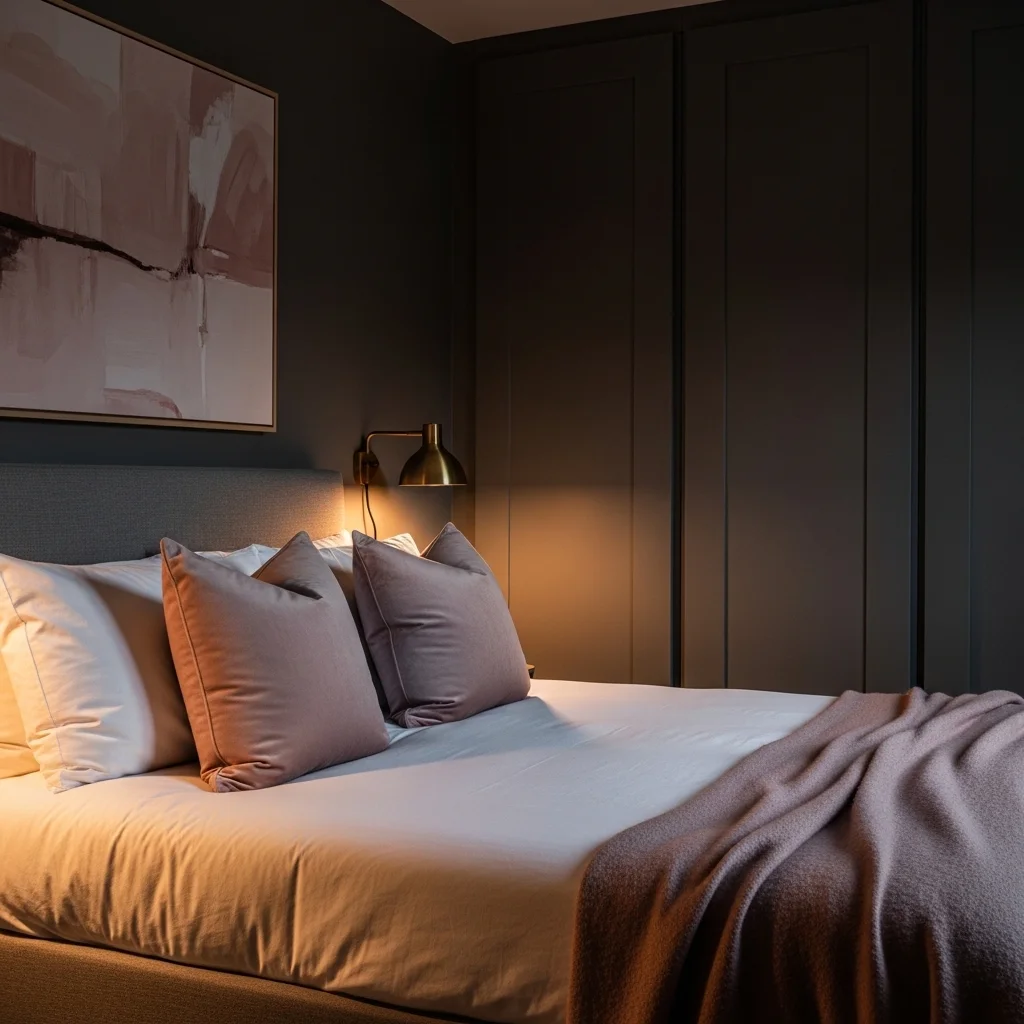
For couples who want something less traditional, charcoal gray with blush accents creates a really compelling contrast, moody but not dark, soft but not saccharine.
The charcoal provides drama and depth, while blush accents (in bedding, artwork, or a single painted element) warm it up and keep it from feeling like a bachelor pad or too industrial.
A same-sex couple I worked with wanted to avoid anything too gendered in either direction. We painted their bedroom in a warm charcoal (Sherwin-Williams’ “Peppercorn”), brought in blush velvet pillows, a blush-toned abstract painting, and warm brass lighting. The result felt balanced, sophisticated, and genuinely romantic without leaning on conventional tropes.
How to use it: Charcoal on the walls, white or cream bedding as your base, then layer in blush through smaller elements. The key is keeping your charcoal on the warmer side (with brown undertones rather than blue) so the room doesn’t feel cold.
Modern Interpretations: Breaking the “Romance” Stereotypes
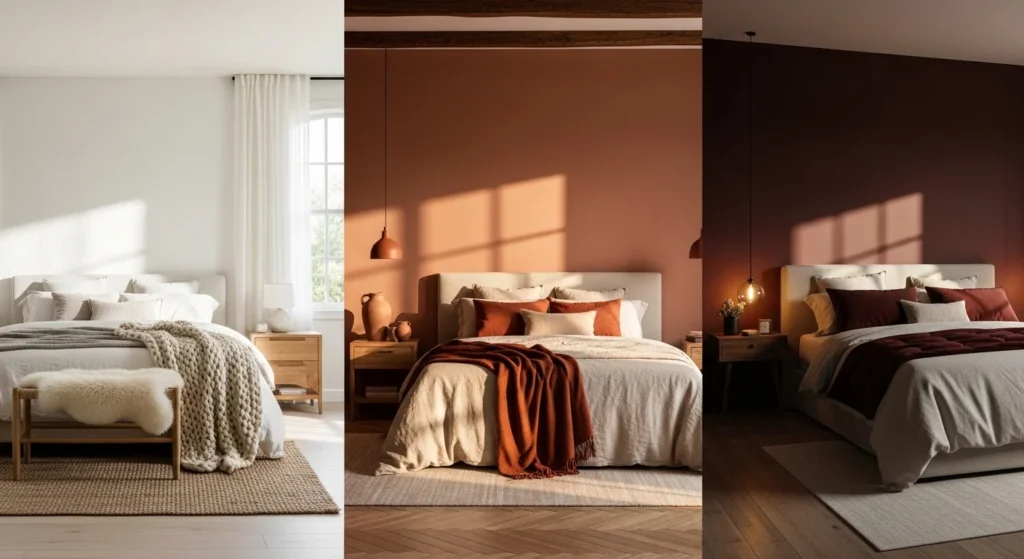
Not every couple wants soft, traditionally romantic colors. Some of my favorite projects have been for couples who wanted romance but defined it differently.
All-White with Texture
Yes, you can create a romantic bedroom with an almost entirely white palette, but the secret is texture, not color. Think layered linens in different whites and creams, natural wood, woven elements, maybe a sheepskin rug.
This works for couples who find romance in simplicity and calm, who feel most connected when their environment isn’t competing for attention.
Warm Terracotta and Cream
This feels like a European countryside villa, earthy, warm, unpretentious. Terracotta has made a huge comeback, and for good reason. It’s warm without being aggressive, interesting without being loud.
I recommended this to a couple who’d spent their honeymoon in Tuscany and wanted to capture that feeling. Terracotta on one accent wall, cream on the others, natural linen bedding, and terracotta-toned pottery as accents. Every time they walk in, they said it feels like a mini-vacation.
Deep Burgundy and Cream
This is for couples who aren’t afraid of drama. Burgundy (or wine, or oxblood) is intensely romantic but not for everyone. It’s a lot of color, and it creates a very specific mood.
Use it carefully, maybe just on one wall, or in rich textiles rather than paint. Pair it with cream to lighten the overall feel, and make sure your lighting is warm-toned.
The Combinations That Usually Don’t Work (And Why)
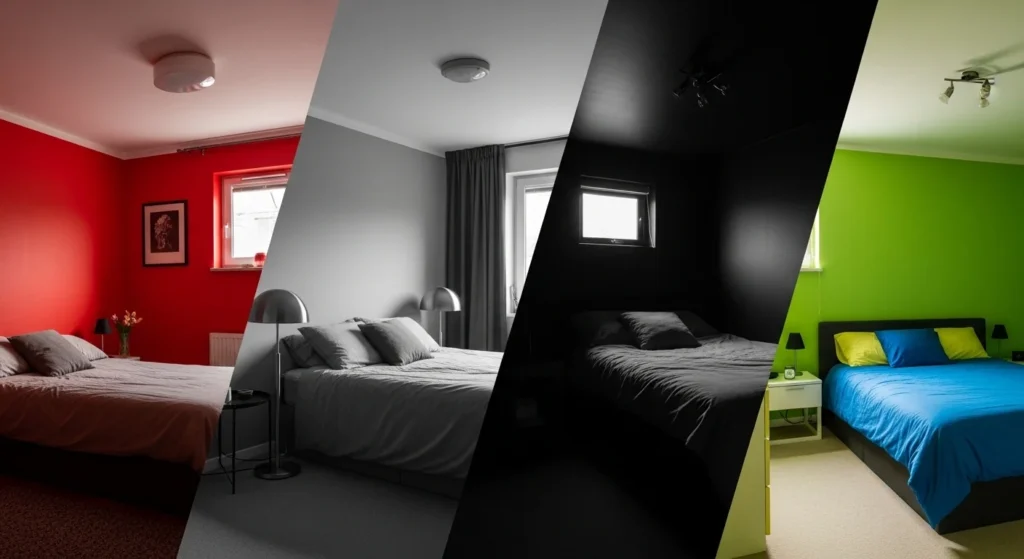
I try not to be too prescriptive, but there are some combinations I’ve seen fail repeatedly:
Bright red walls: Yes, red is the “color of passion,” but bright, primary red on bedroom walls tends to be overstimulating. Most couples report difficulty sleeping and feeling agitated rather than romantic. If you love red, go for deeper, more complex reds like burgundy or brick red, and use them sparingly.
Cool gray with no warm accents: The all-gray bedroom trend peaked a few years ago, and I’ve helped multiple couples “fix” bedrooms that felt cold and unwelcoming. Gray can work, but it needs warm undertones and warm accent colors to feel romantic rather than sterile.
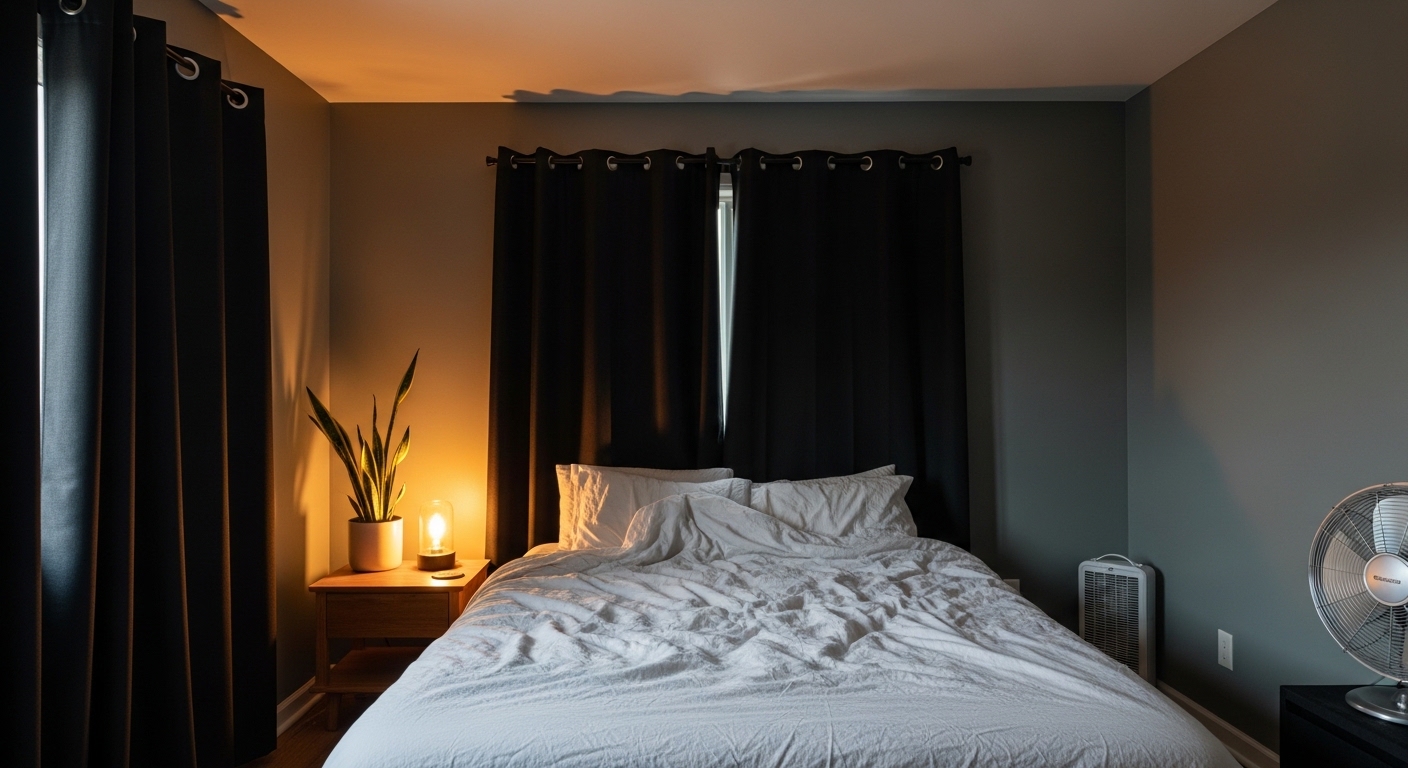
Black walls without enough light: Black can be incredibly sophisticated, but in bedrooms without good natural light or thoughtful artificial lighting, it often feels oppressive rather than cozy.
Bright, saturated colors: Lime green, electric blue, bright yellow. These are energizing colors that most people find difficult to relax around. They have their place (maybe a home office or workout space), but they work against the typical goals of a romantic bedroom.
Practical Considerations Before You Paint
Room Size and Natural Light
Small bedrooms with limited natural light need careful color consideration. Dark colors can work; they can actually make small rooms feel cocooning rather than cramped, but you need good artificial lighting to prevent them from feeling cave-like.
Large bedrooms with lots of light can handle almost any color, though all-white in a huge room can sometimes feel too expansive and impersonal.
Existing Furniture and Textiles
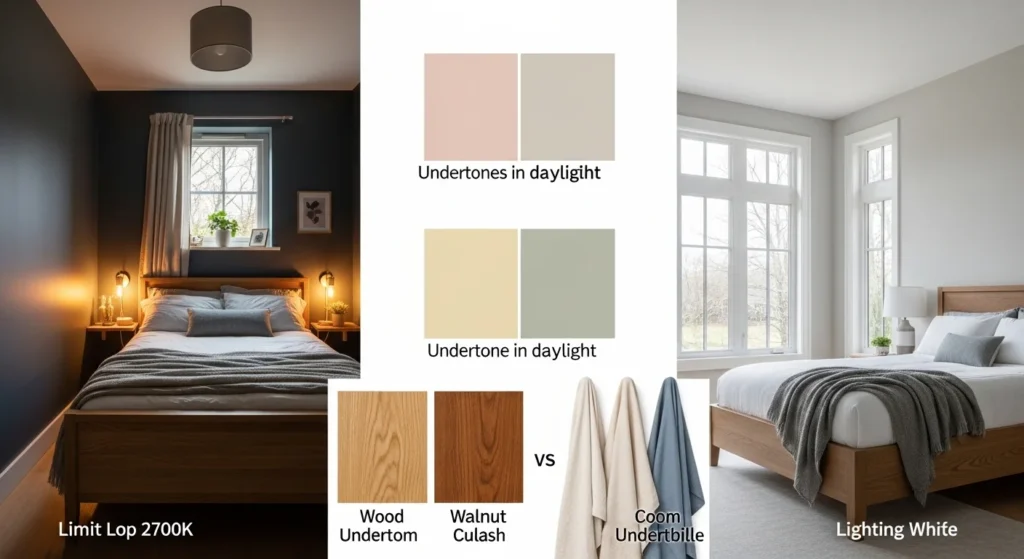
Look at what you already have. If you’ve got a beautiful wooden bed frame, choose colors that complement the wood tone. Cool-toned woods (lighter oaks, birch) pair well with both cool and warm colors. Warm-toned woods (cherry, mahogany, walnut) look best with warm colors.
If replacing bedding and curtains isn’t in your budget right now, choose wall colors that work with what you have.
Undertones Matter More Than You Think
This is where most DIY bedroom makeovers go wrong. Every color has undertones, the subtle hues beneath the main color. A beige might have pink undertones, yellow undertones, or green undertones. A gray might be warm or cool.
When undertones clash, the whole room feels “off” even if you can’t quite identify why. If you’re painting your bedroom sage green with warm undertones, don’t pair it with bedding that has cool, blue-ish gray. The clash will be subtle but unsettling.
Lighting Changes Everything
I can’t stress this enough: the same paint color looks completely different under warm lighting versus cool lighting. For romantic bedrooms, you almost always want warm-toned lighting (2700K-3000K color temperature).
Test your paint colors at different times of day and under different lighting conditions before committing. Paint large swatches on multiple walls and live with them for at least a few days.
How to Choose What’s Right for You (Not Just What’s Trending)
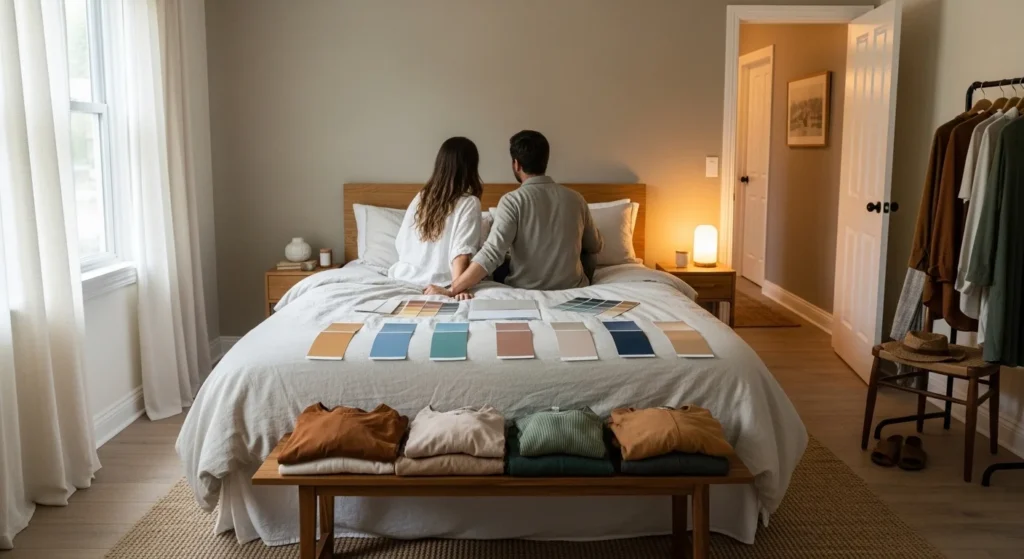
Here’s my process when helping couples choose bedroom colors:
1. Start with feeling, not color names
Before looking at paint chips, talk about how you want to feel in the space. Calm and cocooned? Energized and intimate? Peaceful and airy? The feeling should guide the color choice, not the other way around.
2. Consider your personal color responses
Some people genuinely feel anxious around certain colors. My partner can’t stand yellow in large amounts, it makes him feel uneasy, though he can’t explain why. Don’t override your own emotional responses to colors just because something is popular or “supposed to be” romantic.
3. Look at your wardrobes
This sounds odd, but the colors you both wear frequently often give you clues about colors you’re comfortable with. If both of you gravitate toward earth tones in clothing, you’ll probably feel most at home with an earth-toned bedroom.
4. Think about maintenance
Lighter colors show marks and smudges less than dark colors. If you have pets who sleep in your bedroom, or if you’re not fastidious about touching up paint, this matters.
5. Consider the rest of your home
Your bedroom doesn’t need to match your living room, but if your entire home is cool-toned minimalist gray and white, a terracotta bedroom might feel jarring when you move through the spaces. Some contrast is good; total disconnection can feel weird.
Implementation Tips from Real Projects
Start with the least risky element
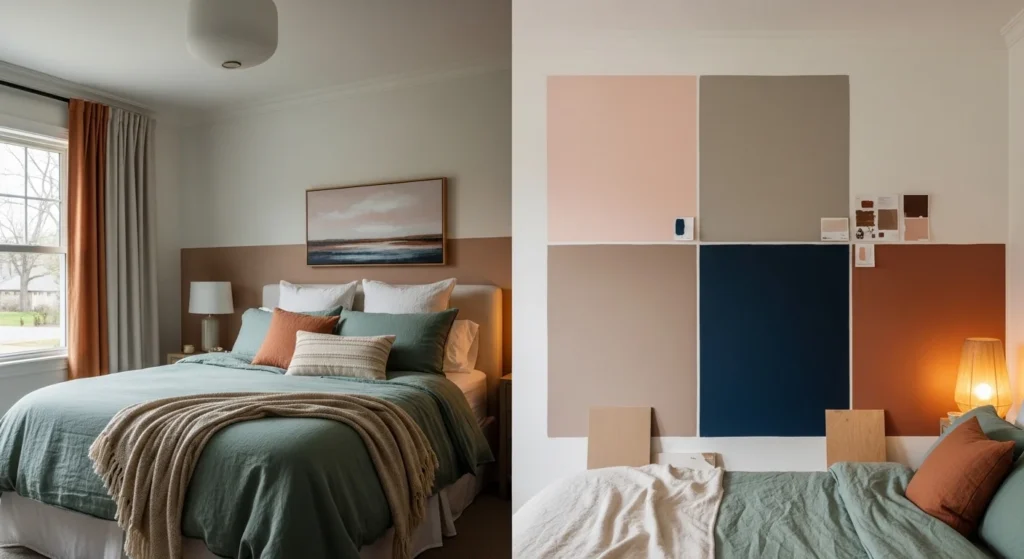
If you’re nervous about color, don’t start with wall paint. Start with bedding or curtains in your chosen color palette. Live with it for a few weeks. If you love it, then paint. This also gives you time to observe how the colors look in your specific lighting.
Sample ruthlessly
I buy sample pots of at least 3-4 colors before making a final decision. Paint them on large foam boards or directly on the wall in 2’x2′ squares. Look at them in morning light, afternoon light, evening lamplight, and full darkness with just your bedside lamps on.
Consider an accent wall first
If you’re not ready to commit to color on all walls, an accent wall (typically the wall behind your bed) lets you experiment with bolder choices while keeping the room relatively neutral.
Layer your colors
The best bedrooms aren’t just one or two colors, they’re a layered palette. Start with your wall color, add your main bedding color, then bring in 2-3 accent colors through pillows, throws, artwork, and decorative objects.
Don’t forget the ceiling and trim
I’ve seen beautiful wall colors completely undermined by bright white trim that creates harsh contrast. Consider painting trim in a softer white or cream, or even in a lighter version of your wall color for a monochromatic, cocooning effect.
The Role of Patterns and Textures
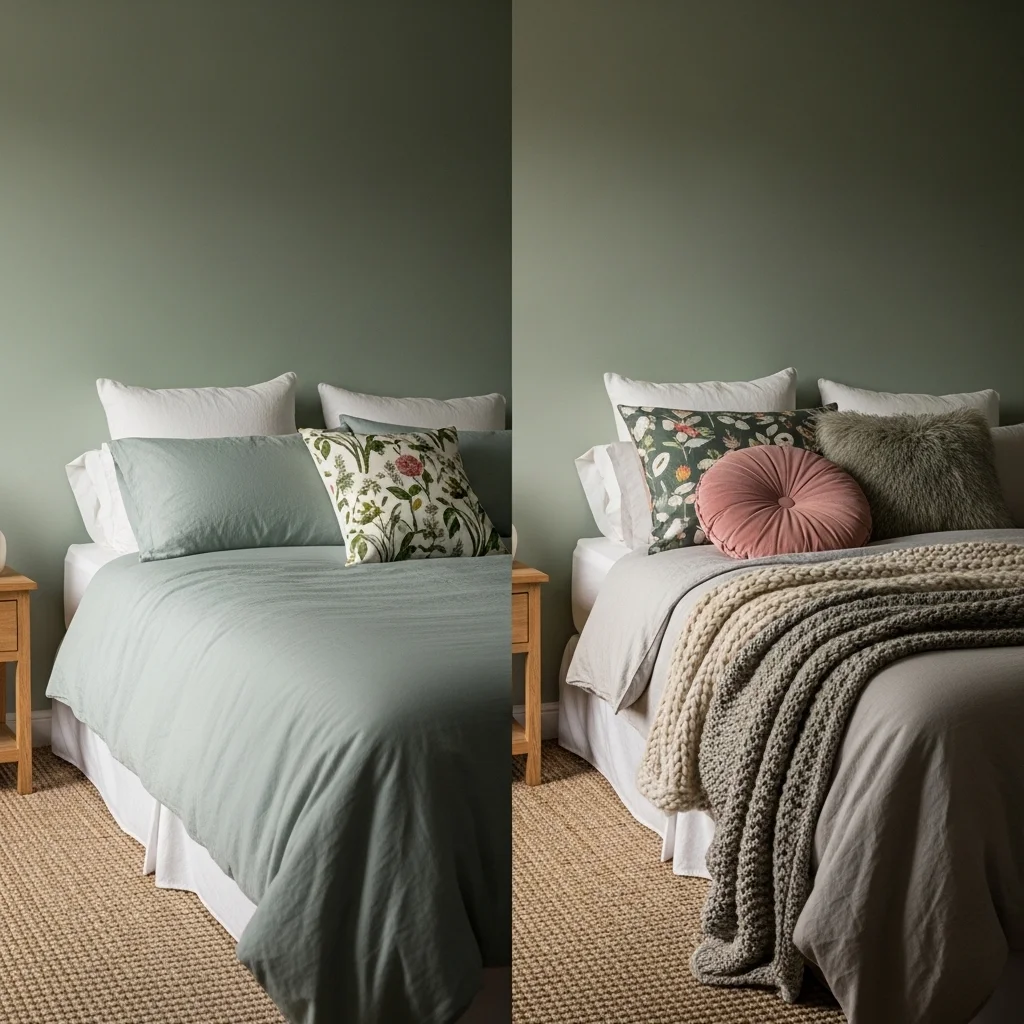
Color isn’t just about paint. The way colors appear in patterns and textures dramatically affects the mood.
A bedroom with sage green walls and solid-colored bedding feels different from one with sage green walls and botanical-patterned bedding, even if the colors are identical. The pattern adds energy and visual interest.
Texture creates depth. A dusty pink bedroom with velvet pillows, linen bedding, and a chunky knit throw feels richer and more layered than the same color palette in all flat, smooth fabrics.
When working with romantic color combinations, I usually recommend:
- Walls in your main color, relatively flat or subtle texture
- Bedding in solid colors or very subtle patterns
- Accent pillows and throws where you can get playful with pattern and texture
- At least one rich texture element (velvet, wool, faux fur) to add tactile warmth
Common Mistakes I See Repeatedly
Matching everything too precisely
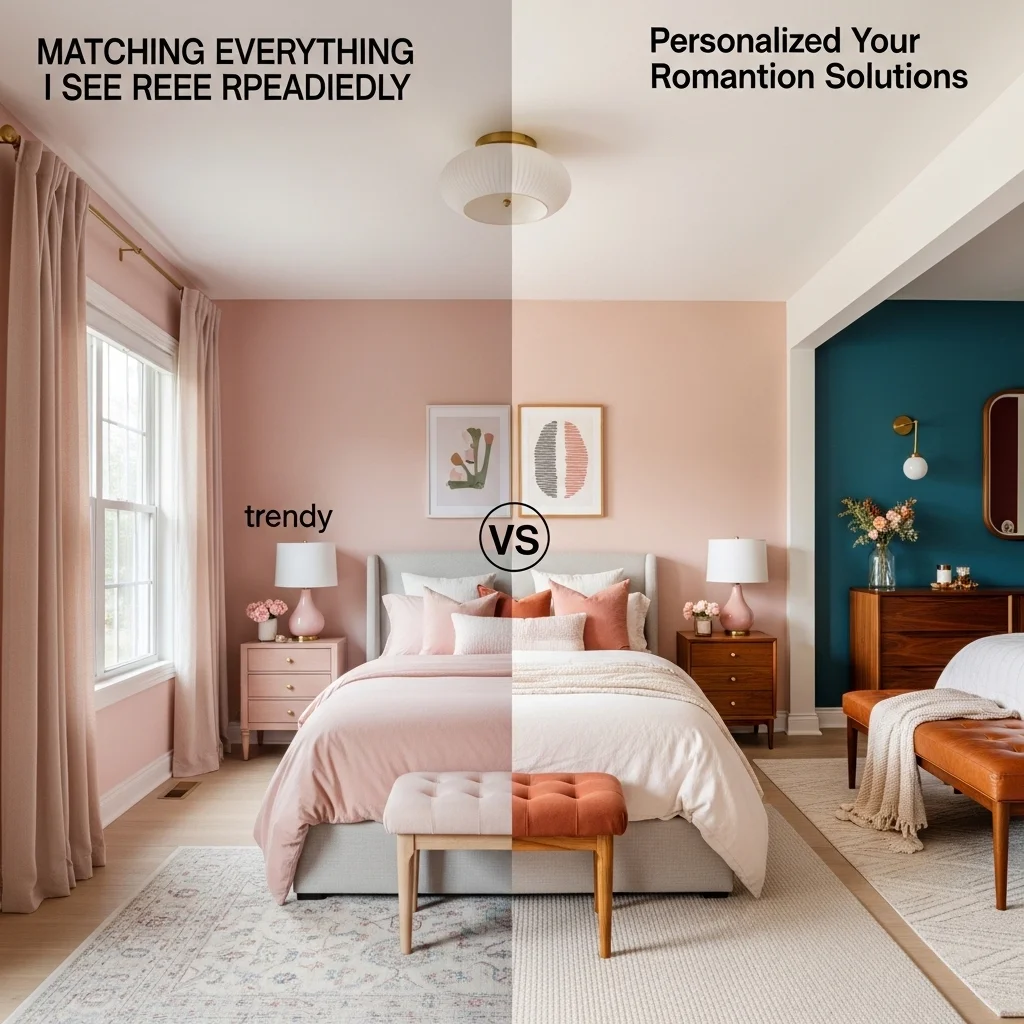
When your walls, bedding, curtains, and rug are all exactly the same shade, it feels flat and one-dimensional. Variation within your color palette creates depth.
Ignoring personal style
A couple once showed me a Pinterest board full of soft pink and cream bedrooms because that’s what “romantic” is supposed to look like. But their entire home and their personal style were mid-century modern with bold colors. When we landed on a deep teal and warm cognac combination instead, it felt romantic for them because it aligned with their aesthetic identity.
Choosing trendy over timeless
Millennial pink was everywhere for a few years. Now it’s dated. Sage green is having a moment right now. In five years, who knows? Choose colors because you genuinely love them and because they serve your needs, not because they’re trending on Instagram.
Forgetting about proportions
If you want to use a bold color, the proportion matters enormously. A bedroom that’s 80% burgundy and 20% cream feels dramatically different from one that’s 20% burgundy and 80% cream, even though it’s the same color combination.
Underestimating the power of white
Not all whites are created equal. Stark, bright white (like most ceiling paint) creates harsh contrast against colored walls. Softer whites and creams (like Benjamin Moore’s “Simply White” or “White Dove”) create gentler transitions and feel warmer overall.
Making It Work Long-Term
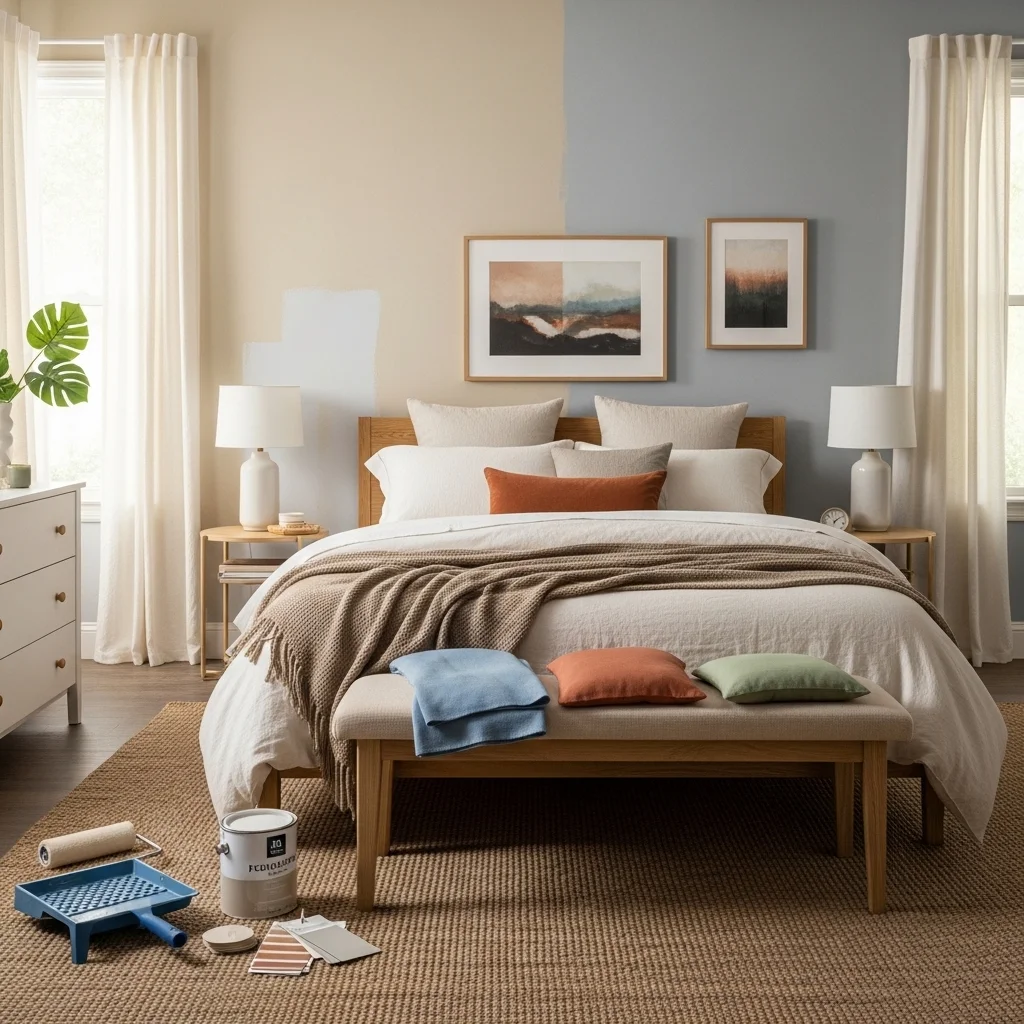
Here’s something nobody tells you: you might get sick of your bedroom colors eventually, and that’s okay.
I’ve been in my current bedroom for four years. We started with a soft gray-blue. Last year, we repainted to a warm greige because the blue started feeling cold. In another few years, we might change again.
Paint is relatively inexpensive and easy to change. Treating your bedroom colors as permanent is unnecessary pressure. Choose what feels right now, knowing you can evolve it later.
That said, if you want colors that’ll stay appealing longer:
- Stick with complex, nuanced colors rather than pure, saturated ones
- Choose combinations that feel personally meaningful, not just aesthetically pleasing
- Avoid colors you picked solely because they’re trending
- Layer in neutrals that can work with multiple color schemes if you want to shift accents later
Budget-Friendly Color Updates
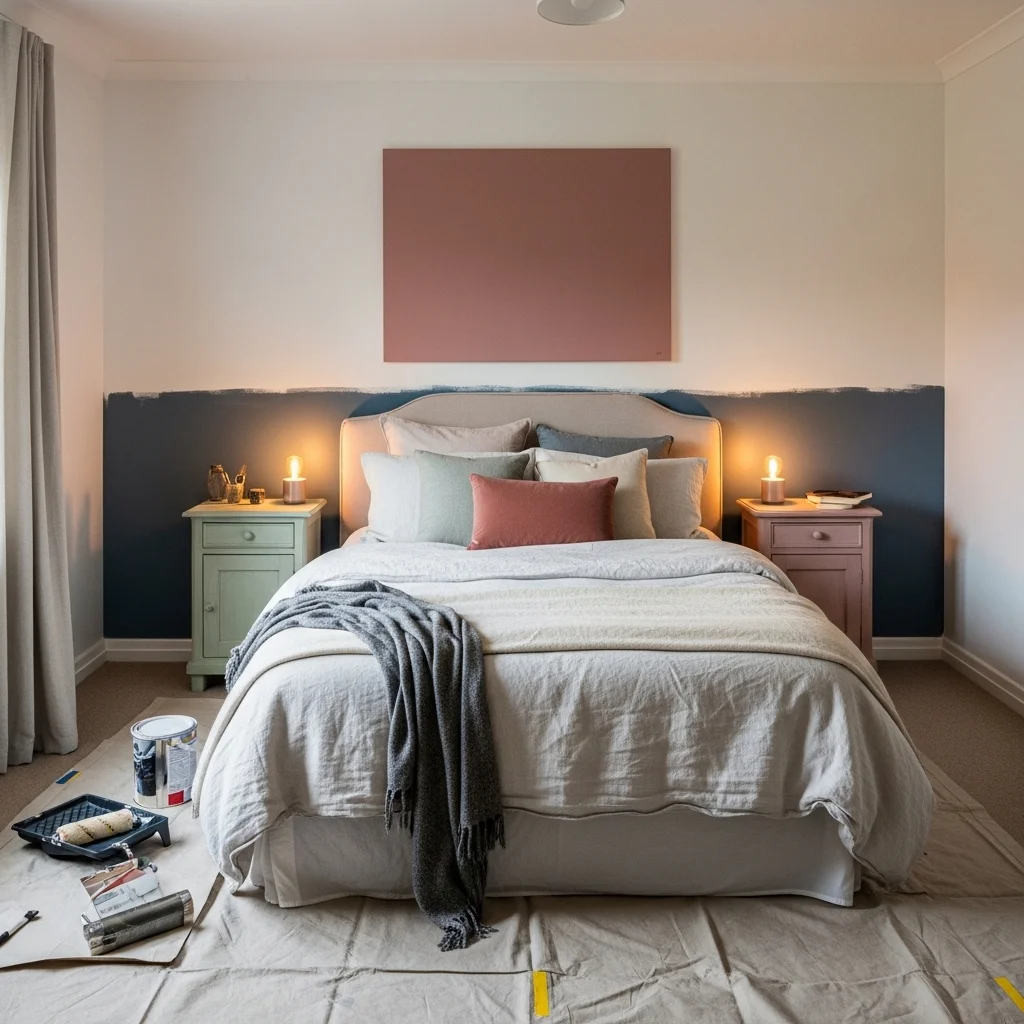
You don’t need to repaint, buy new furniture, and replace all bedding to create a romantic color palette.
Paint just one wall. An accent wall behind your bed in a romantic color can transform the feeling of the space for the cost of one can of paint.
Start with textiles. New bedding, a throw blanket, and a few pillows in your desired color palette can completely shift the room’s mood without touching the walls.
Add color through art. A large piece of artwork in romantic tones can anchor your color scheme and make even white walls feel more intentional.
DIY headboard. You can create a simple upholstered headboard in a romantic fabric color for a fraction of what you’d pay for a new bed frame.
Thrift and upcycle. Secondhand nightstands or dressers painted in your accent color become unique pieces that add personality and color.
Final Thoughts: Romance Is Personal
After years of working on bedroom designs, I’ve learned that romantic color combinations aren’t universal. They’re deeply personal.
For some couples, romance is soft and gentle blush pinks, creamy whites, delicate textures. For others, it’s dramatic and bold and deep jewel tones, rich contrasts, luxurious fabrics. Some find romance in simplicity and minimalism, others in layered complexity.
The “right” romantic color combination for your bedroom is the one that makes you both feel like you’re exactly where you want to be at the end of the day. It’s the one that supports the intimate conversations, the vulnerable moments, the connection you’re trying to nurture.
Start with colors that make you feel something, test them in your actual space, and trust your instincts. Your bedroom should feel like yours, not like a magazine spread or a hotel room, but like a space that reflects and supports your specific relationship.
And remember: you can always repaint.