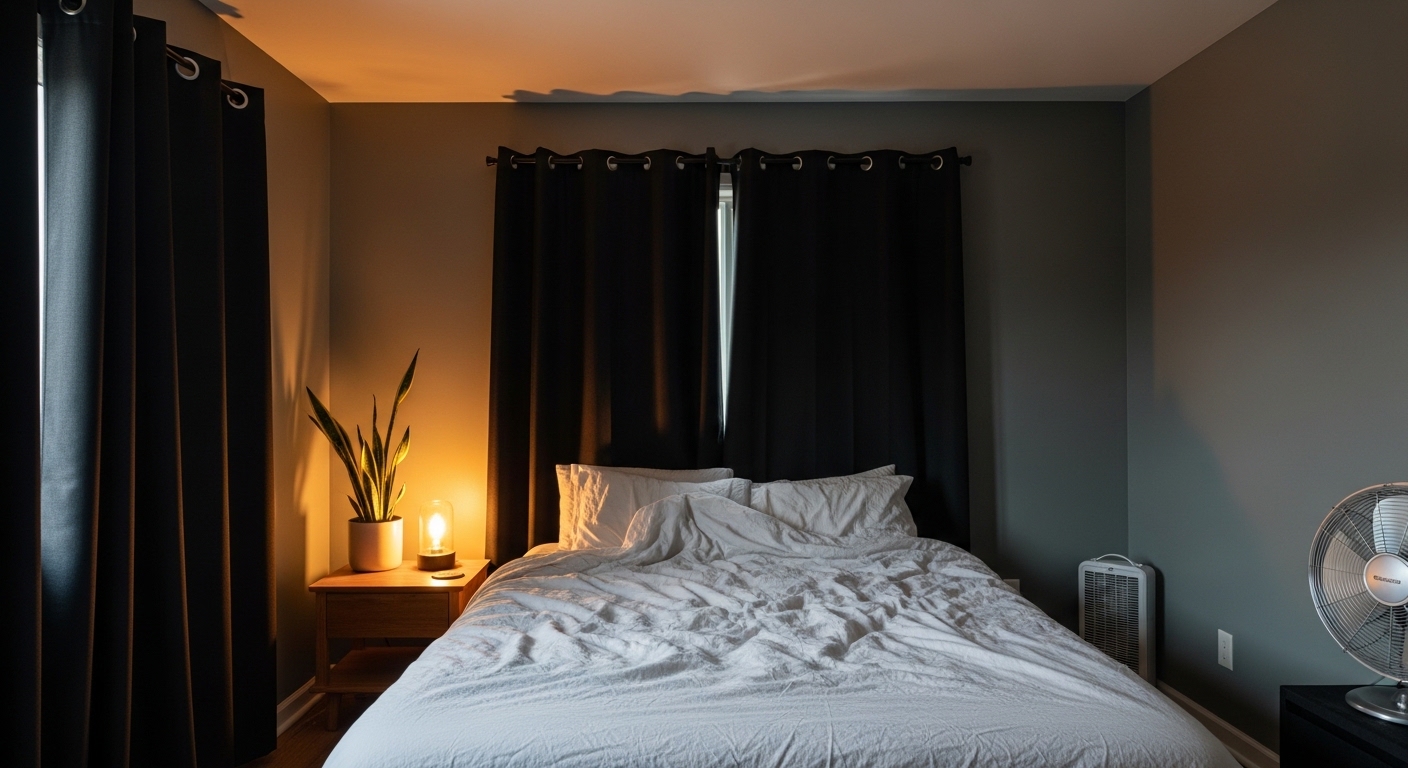
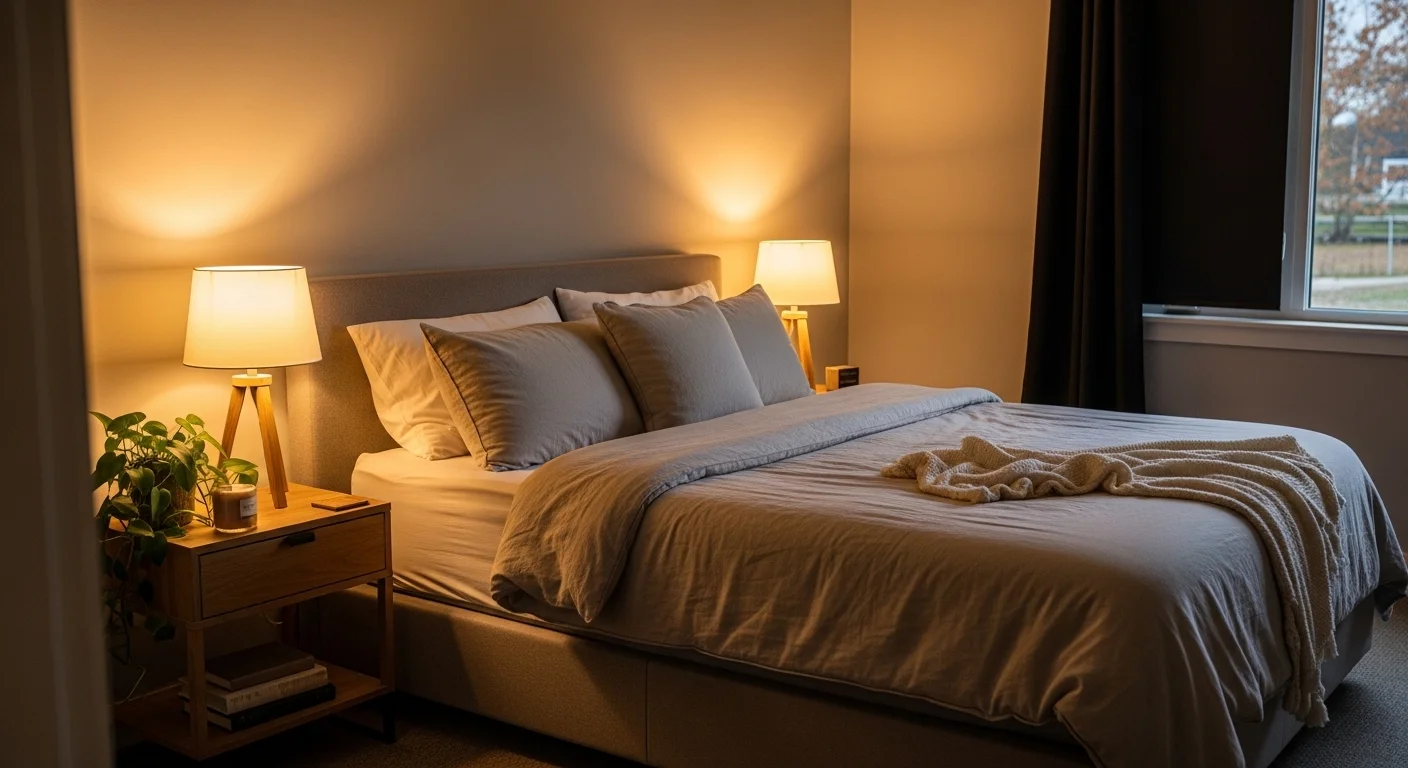
I’ll be honest with you I spent years blaming my stress levels and caffeine habit for my terrible sleep. Turns out, my bedroom was working against me the whole time. The overhead light was harsh enough to interrogate suspects, my mattress sat on a metal frame that creaked with every breath, and I’d somehow convinced myself that bright turquoise accent walls were “calming.” They weren’t.
The transformation didn’t happen overnight, but changing how my bedroom looked and felt genuinely changed how I slept. Not in some magical, woo-woo way, but because our environments shape our biology more than most of us realize. When I started working with clients on bedroom redesigns, I noticed the same pattern: people who struggled with sleep almost always had bedrooms that were either overstimulating, uncomfortable, or simply didn’t signal to their brains that it was time to wind down.
So let’s talk about what actually works. These aren’t trendy Instagram aesthetics that look good in photos but feel sterile in real life. They’re the adjustments that made a measurable difference for me and for the dozens of bedrooms I’ve helped redesign over the years.
1. Layer Your Lighting (And Ditch the Overhead Fixture)
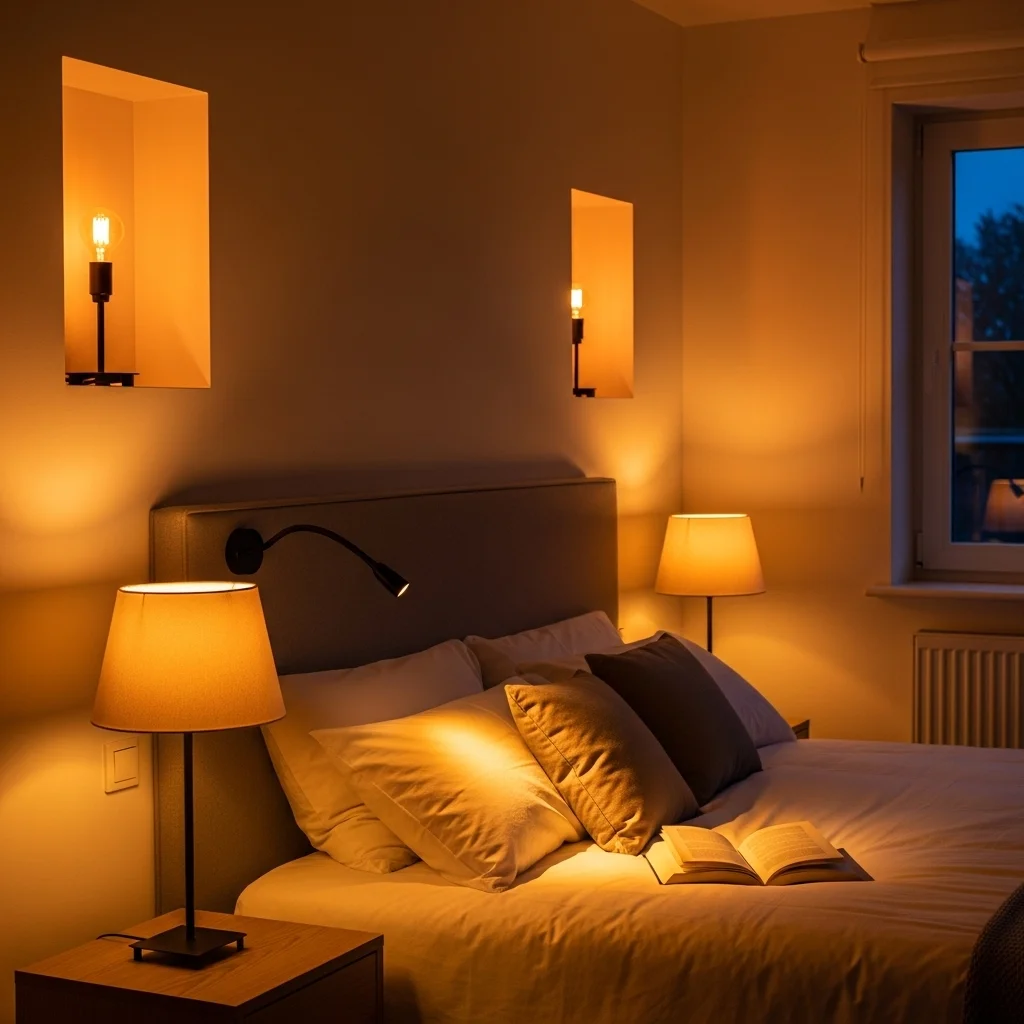
The single biggest mistake I see? People relying on one harsh overhead light to illuminate their entire bedroom. That’s airport terminal lighting, not sleep sanctuary lighting.
Your bedroom needs layers. I’m talking bedside lamps with warm bulbs (aim for 2700K color temperature), maybe a small reading light if you like to read in bed, and dimmer switches wherever possible. The idea is to gradually reduce light levels as evening progresses, which helps your body produce melatonin naturally.
I switched to smart bulbs a few years back, and while I was skeptical at first did I really need my lights connected to my phone? being able to set them to automatically dim from 7 PM onward changed everything. No willpower required. My friend Sarah took a simpler approach: she bought three small lamps from a thrift store for under $30 total, placed them at different heights around her room, and only turns on what she needs. Her overhead light hasn’t been switched on in months.
The key is avoiding blue-toned light after sunset. Those “daylight” bulbs that mimic afternoon sun? Save them for your home office. Your bedroom wants the warm amber glow of late evening.
2. Invest in Proper Window Treatments That Actually Block Light
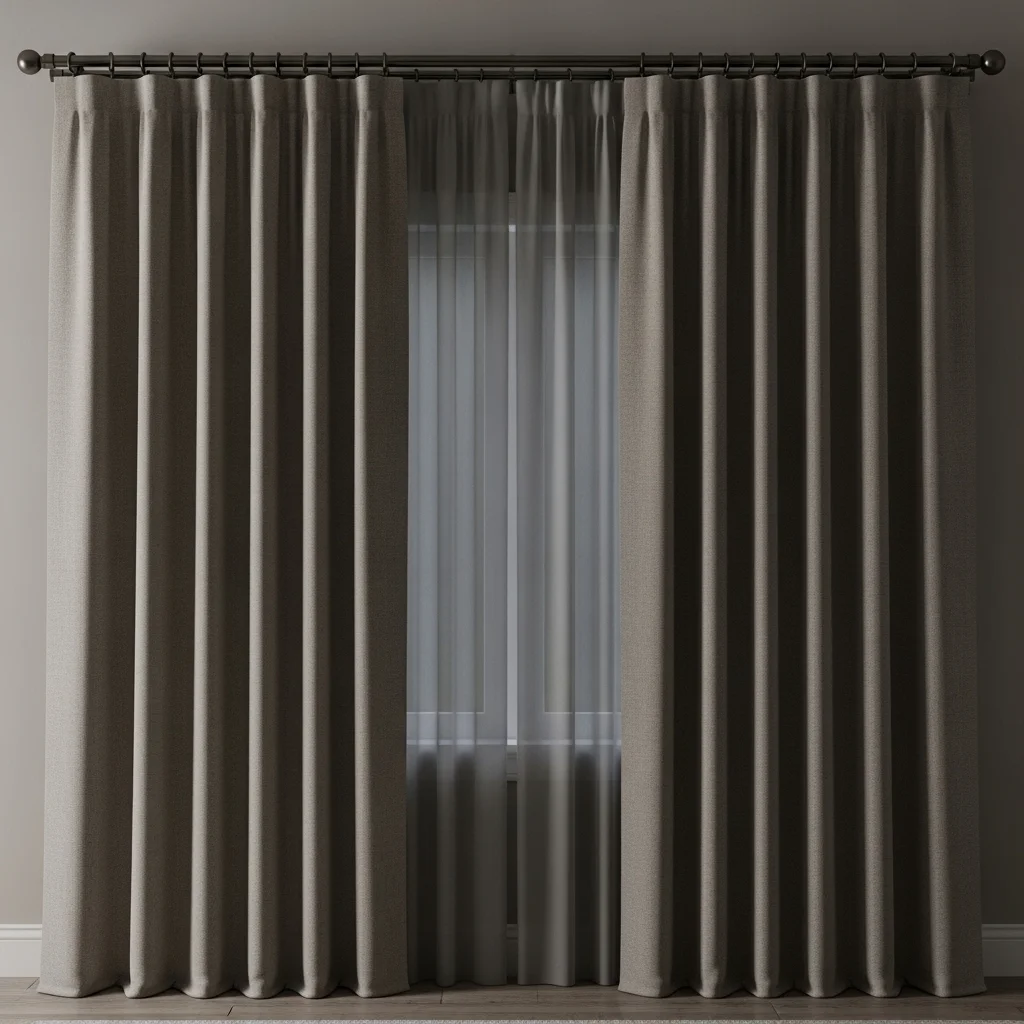
I used to think blackout curtains were only for shift workers or people who lived on Times Square. Then I stayed at a hotel that had them, and I slept past 8 AM for the first time in years. Even small amounts of ambient light streetlamps, neighbor’s porch lights, that glow from the parking lot can interfere with deep sleep.
You don’t need expensive custom drapes. I’ve found that even affordable blackout curtain liners (which attach behind your existing curtains) make a massive difference. The trick is hanging them properly: extend your curtain rod several inches beyond the window frame on each side, and mount it higher than the window. This prevents light from sneaking in around the edges.
For renters or people who don’t want the investment, blackout roller shades work great too. My sister lives in a city apartment where sunrise hits her window at 5:30 AM in summer. A $40 blackout shade bought her an extra two hours of sleep and probably saved her relationship she’s not pleasant when sleep-deprived.
One thing worth mentioning: complete darkness isn’t for everyone. Some people feel anxious in pitch-black rooms. If that’s you, a small amber night light (emphasis on amber, not blue or white) near the floor provides enough orientation without disrupting sleep chemistry.
3. Choose Colors That Actually Calm Your Nervous System
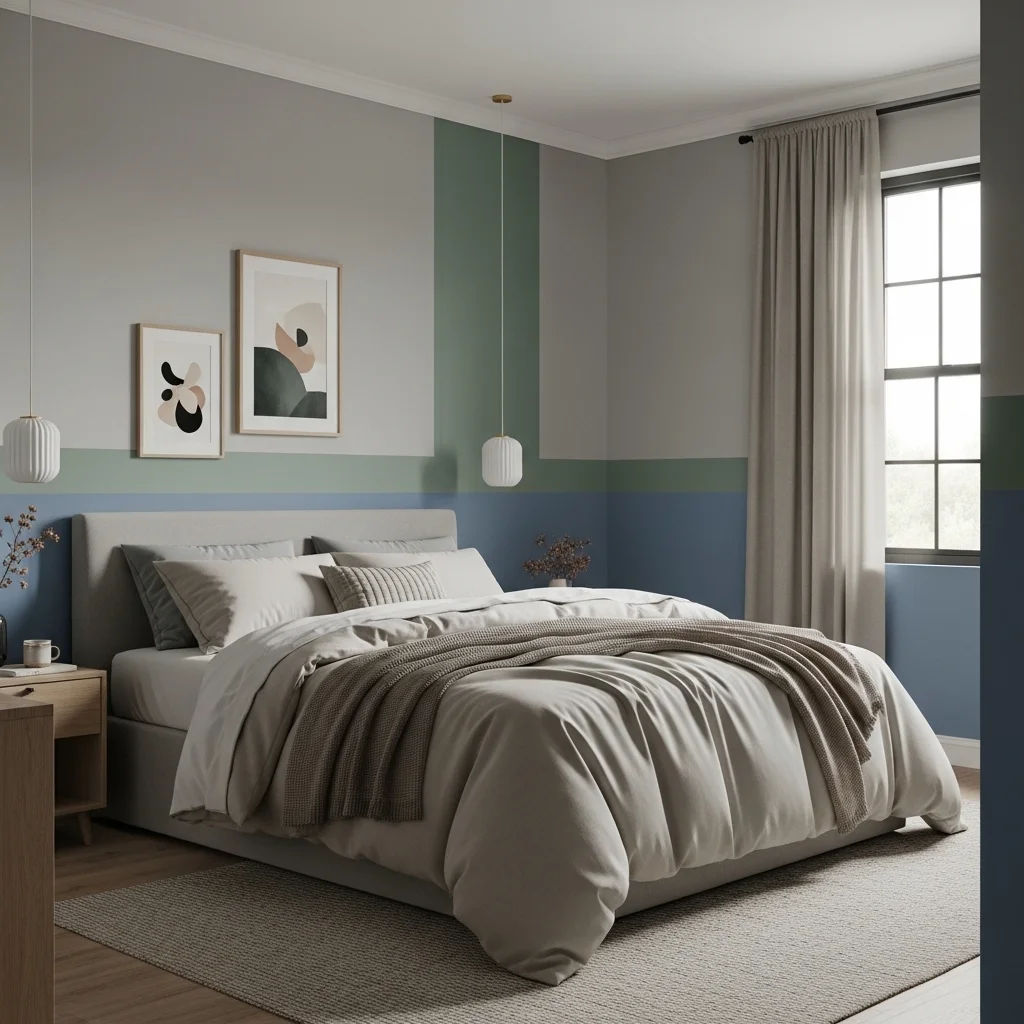
Remember my turquoise walls? Color psychology isn’t pseudoscience. Certain hues genuinely affect our physiological responses, and bedrooms benefit from what I call the “boring is beautiful” principle.
Soft, muted tones work best. Think warm grays, gentle beiges, dusty blues, sage greens, and soft lavenders. These colors have lower visual intensity, which means your eyes and brain don’t have to work as hard processing them. After a day spent staring at screens and navigating overstimulating environments, your bedroom should feel like a visual exhale.
I painted my bedroom a color called “accessible beige” (yes, that’s the actual name, and yes, it’s as exciting as it sounds). It looks like practically nothing, which is precisely the point. Against that neutral backdrop, I can add texture and warmth through bedding, wood furniture, and fabrics without creating visual chaos.
That said, the “best” color is somewhat personal. I worked with a client who found cool blues anxiety-inducing they reminded her of hospitals. She went with a warm, pale terracotta instead, and it worked beautifully for her. The rule is simple: avoid anything high-energy. Bright reds, vivid oranges, and intense yellows might work in a kitchen or creative studio, but they’re stimulating colors that keep your nervous system alert.
4. Bring in Natural Textures and Materials
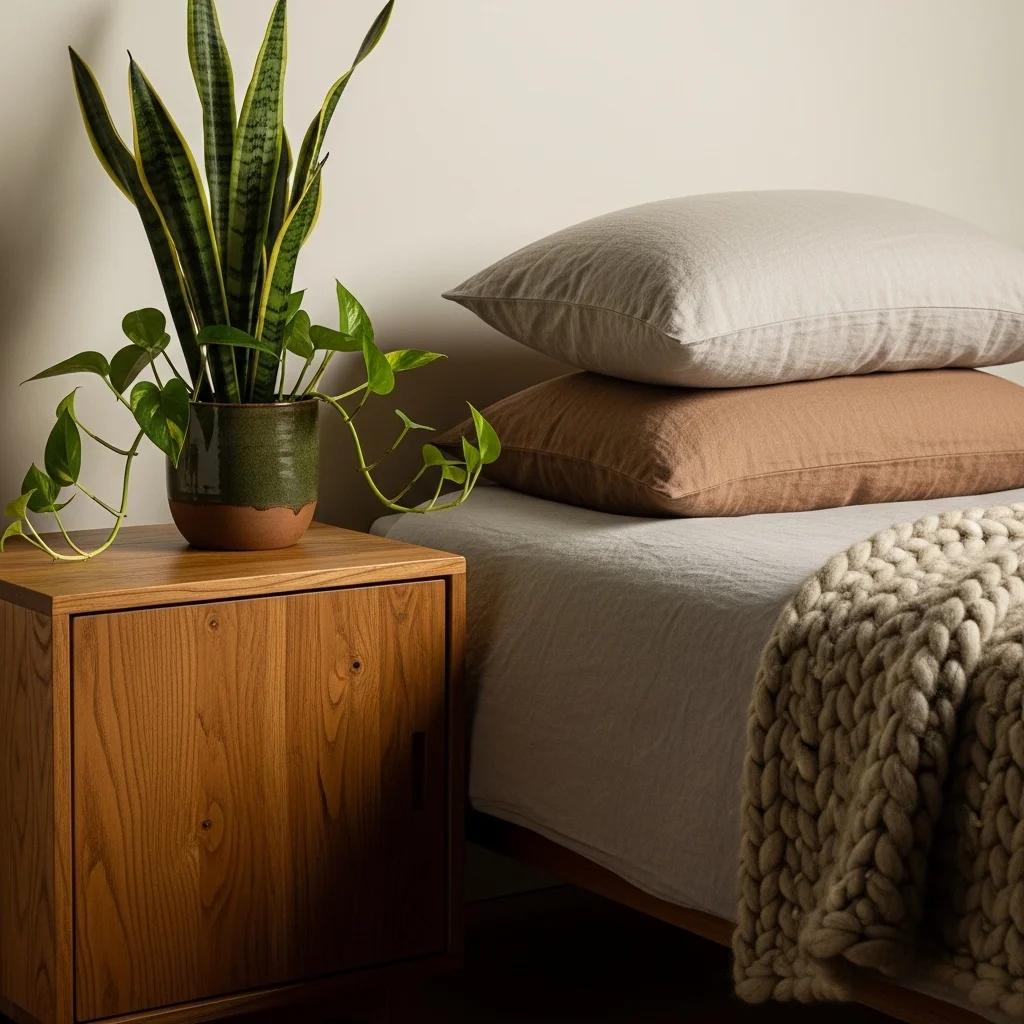
There’s something fundamentally soothing about natural materials. Wood, linen, cotton, wool, stone these materials have been part of human environments for thousands of years, and we respond to them differently than we do to plastic and synthetic fabrics.
I’m not suggesting you overhaul everything, but small additions make a difference. Swap synthetic throw pillows for linen or cotton ones. Add a wool blanket at the foot of your bed. If you’re shopping for new furniture, a wooden nightstand feels warmer and more grounding than a particleboard one, even if it costs the same (check estate sales and Facebook Marketplace solid wood furniture is everywhere secondhand).
Plants count too, though I’m selective about which ones go in bedrooms. Snake plants and pothos are great because they’re nearly impossible to kill and they look good in low light. I avoid anything that needs tons of maintenance or has a strong fragrance. The goal is effortless coziness, not a second job keeping plants alive.
There’s also something to be said for visible wood grain, woven textures, and materials that aren’t perfectly uniform. They create what designers call “visual interest” without being stimulating your eye can rest on them comfortably.
5. Get Serious About Your Bedding Quality

This is where I tell you to spend money, and I won’t apologize for it. You spend roughly a third of your life in bed. Scratchy, pilled sheets that you got in a bag from a discount store aren’t doing you any favors.
Quality bedding doesn’t mean thread count wars that’s mostly marketing. What matters is fiber content and weave. I’ve found that percale cotton (crisp and cool) and linen (temperature-regulating and slightly textured) work best for most people. Jersey knit feels cozy but can sleep hot. Sateen has a beautiful sheen but also traps heat.
The duvet matters too. Down is wonderful if you’re not allergic and don’t mind the price. Down alternative has improved dramatically in recent years some of the newer fill materials actually regulate temperature better than real down. I use a medium-weight duvet year-round and adjust with a cotton blanket or just a top sheet in summer.
Here’s what really changed things for me: buying two sets of good sheets instead of four sets of mediocre ones. I can wash one set and put on the other, and both still feel great after years of use. Cheap sheets might seem economical, but they degrade fast. After a dozen washes, they feel like sleeping on sandpaper.
One more thing consider your mattress topper if your mattress is firm or aging. A 2-3 inch memory foam or latex topper can extend your mattress life by years and improve comfort immediately.
6. Control the Temperature (Cooler Than You Think)
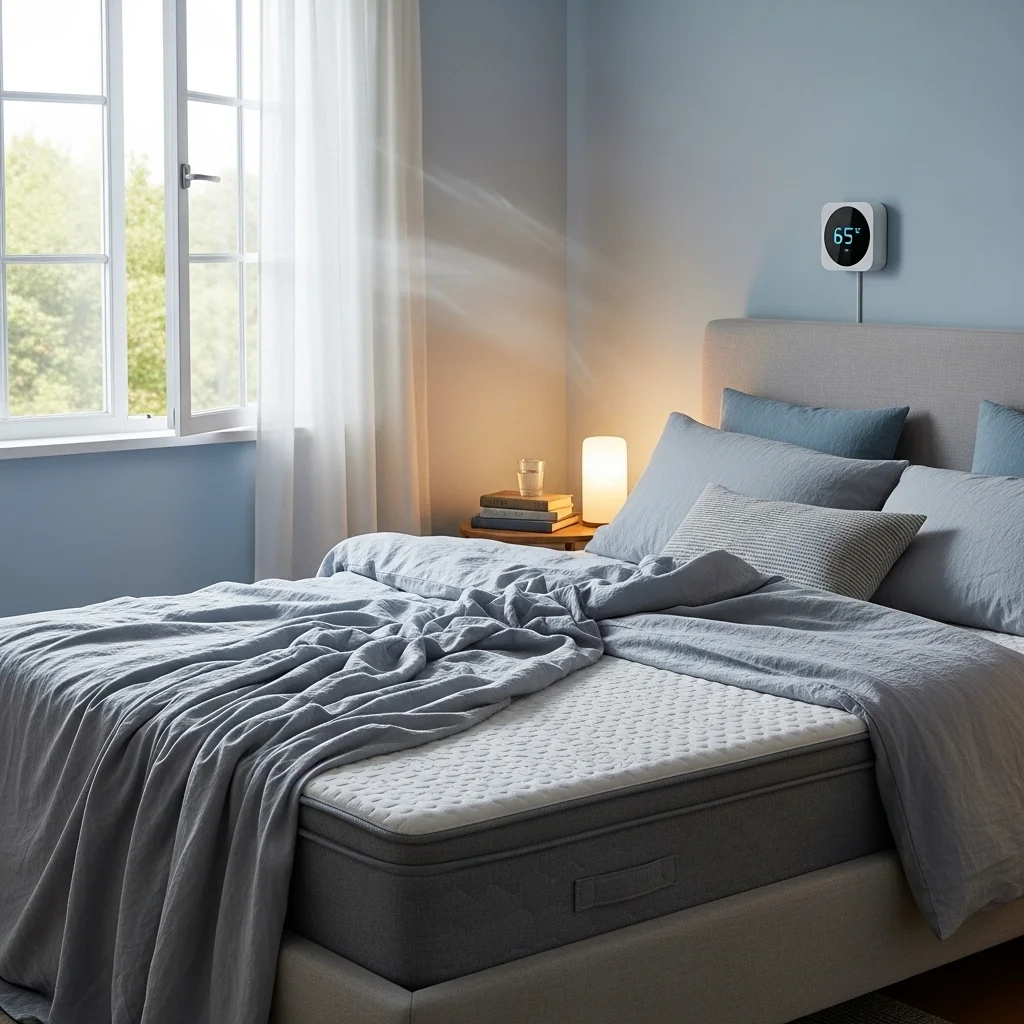
Most people keep their bedrooms too warm. The ideal sleep temperature for most adults is between 60-67°F (15-19°C), which feels almost cold when you first get into bed. That’s intentional.
Your body temperature naturally drops when you sleep it’s part of the circadian rhythm. A cool room facilitates that process. A warm room fights it, which is why you wake up sweaty and restless after cranking the heat.
I keep my bedroom at 65°F year-round. In winter, that means a programmable thermostat set to drop at bedtime. In summer, it means a window AC unit or fan. Yes, my heating and cooling costs went up slightly. My sleep quality went up more.
If you can’t control ambient temperature (hello, radiator heat with one setting: SCORCHING), you can still work with it. Breathable bedding helps. A small fan for air circulation makes a huge difference. Cooling mattress pads with gel or phase-change materials actually work I was skeptical until I tried one during a heat wave.
And if you share a bed with someone who runs at a different temperature? Separate blankets, my friends. It sounds unromantic, but so is waking up angry because someone stole the duvet or because you’re overheating under their heavy comforter while they’re still cold.
7. Minimize and Organize for Visual Calm
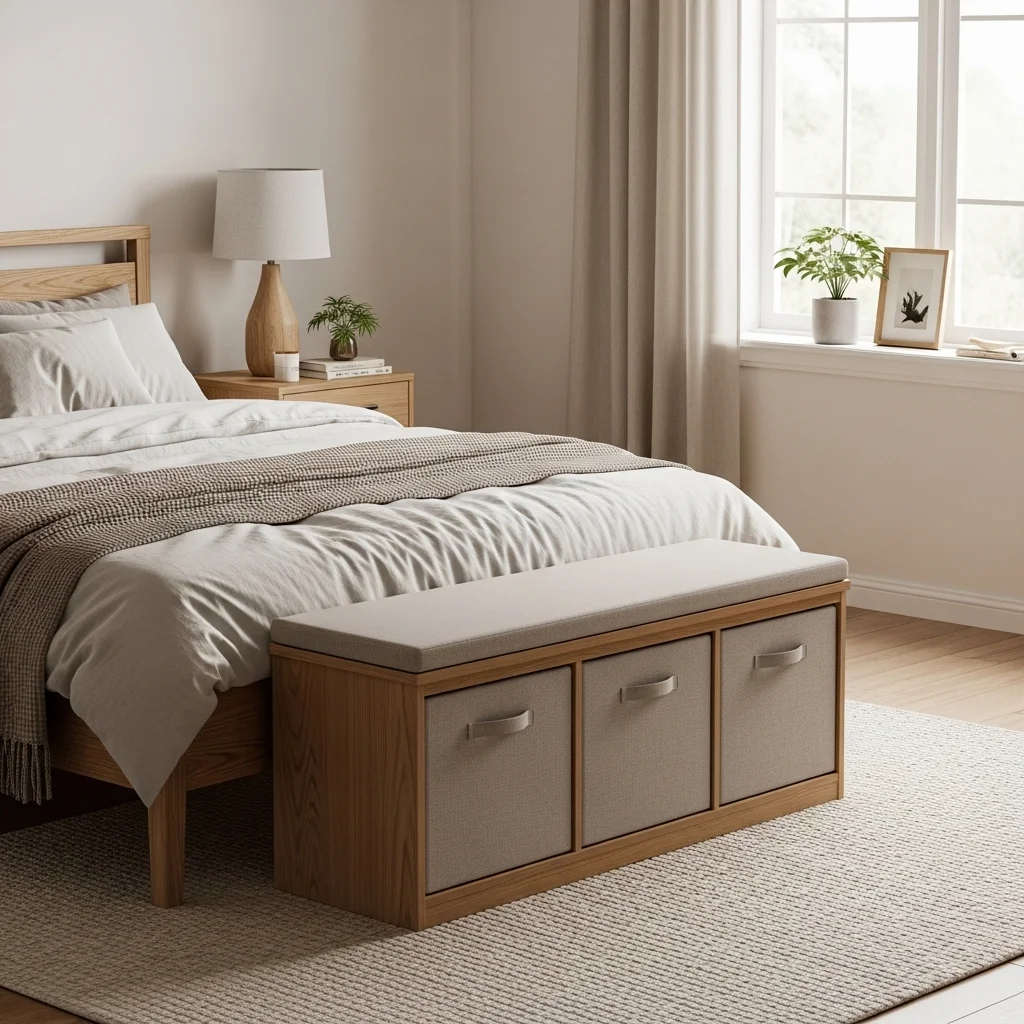
Clutter creates low-level stress. Your brain sees it and registers “unfinished tasks,” which is the opposite of the mental state you want before sleep.
I’m not naturally tidy, so this one took work. But the difference between a bedroom with clothes draped over chairs, books stacked on the floor, and random items covering every surface versus one with clear surfaces and everything put away is night and day.
You don’t need a minimalist museum. You just need functional storage. A bench with bins underneath for extra blankets and off-season clothes. Nightstands with drawers instead of just a tabletop. A hamper that actually contains dirty laundry instead of a floor pile. Hooks on the back of the door for tomorrow’s outfit.
I also removed anything work-related from my bedroom. Laptop, files, my planner all of it lives in another room now. My bedroom is for sleep and relaxation, period. That mental boundary matters more than I expected. When I see my laptop on my nightstand, a part of my brain starts running through my task list. When I don’t see it, that doesn’t happen.
The organizing expert trick that actually worked for me: everything needs a home, and that home should be in a closed drawer or bin if possible. Open shelving looks great in magazines, but in real life, it just gives you more visual input to process.
8. Add Soft, Ambient Sound Options
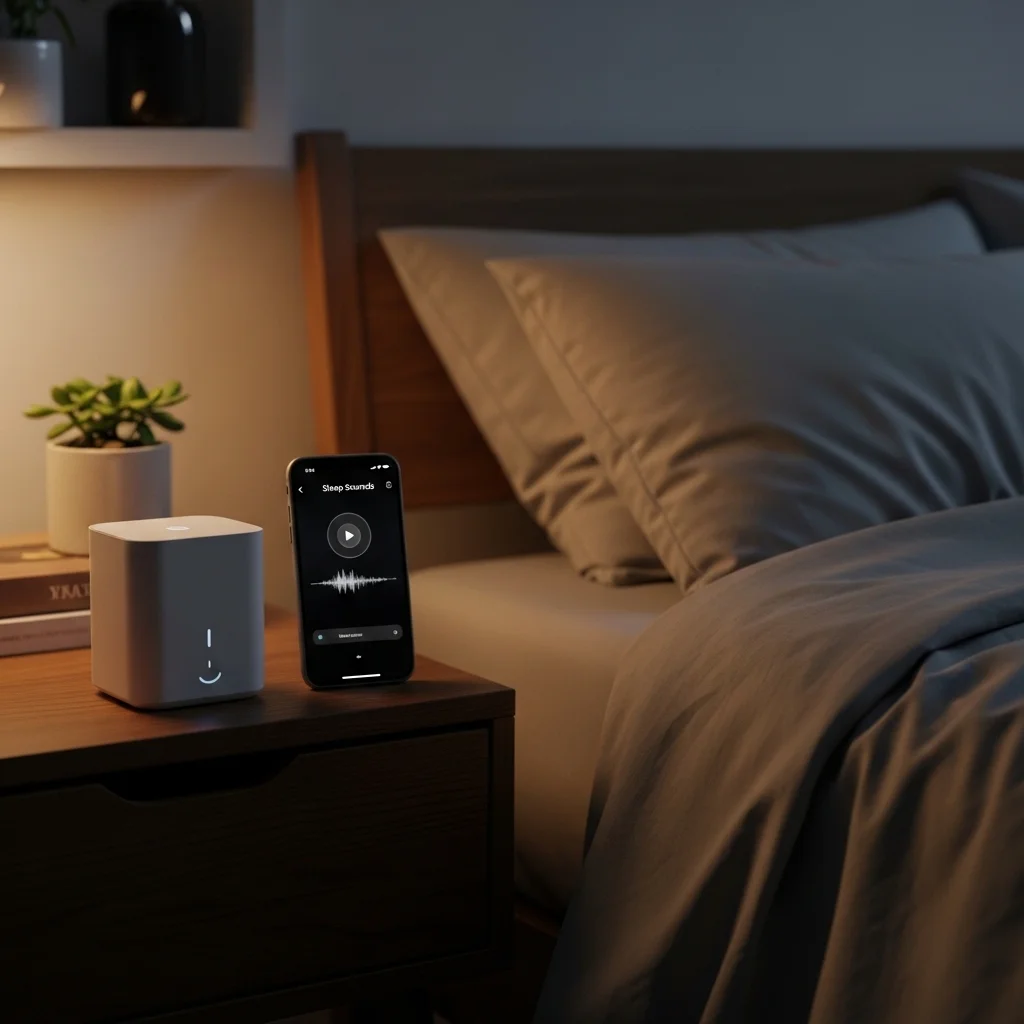
Silence sounds ideal for sleep, but for many people (myself included), complete silence is actually unsettling. Every little creak and distant sound becomes magnified. That’s where white noise, brown noise, or ambient sound comes in.
I started with a basic white noise machine, the kind that’s just a fan sound. It helped, but I found white noise slightly harsh after a while. Brown noise which is deeper and more like distant thunder or wind worked better for me. There are free apps and YouTube videos with 10-hour tracks if you want to experiment before buying anything.
Some people prefer nature sounds: rain, ocean waves, forest ambiance. My only caution is to avoid anything with varying intensity. Thunderstorms might sound relaxing, but if the thunder booms every couple minutes, it can actually startle you awake. Consistent, gentle rain is better.
If you live in a noisy area city traffic, thin walls, loud neighbors a sound machine isn’t just nice, it’s practically essential. It masks irregular environmental noise, which is far more disruptive to sleep than consistent background sound.
I’ll also mention: if you share a room with a partner who snores, a sound machine won’t fix the underlying issue (they should probably talk to a doctor), but it can make it more tolerable while you figure out solutions.
9. Consider the Scent (Subtly)
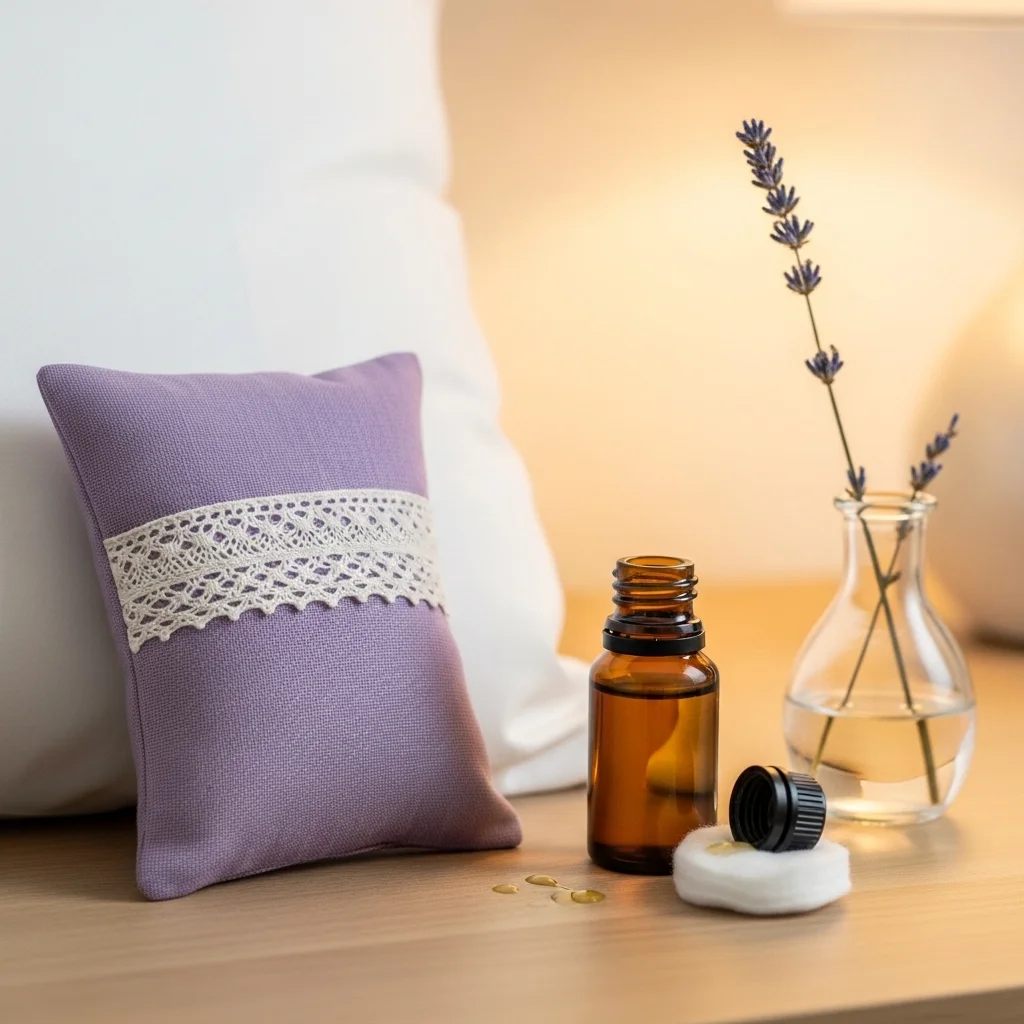
Aromatherapy isn’t magic, but scent does affect mood and relaxation. The key word is subtle. You’re not trying to recreate a spa or make your bedroom smell like a candle store.
Lavender is the most researched scent for sleep, and there’s actual evidence it can help with relaxation and sleep quality. I use a small lavender sachet tucked inside my pillowcase so subtle I barely notice it consciously, but it’s there. You could also try a few drops of lavender essential oil on a cotton ball placed nearby (not directly on your pillow, which can be too intense).
Other options: chamomile, vanilla, sandalwood, or cedarwood. All tend toward calming rather than energizing. Avoid eucalyptus, peppermint, citrus, and anything marketed as “refreshing” or “invigorating.”
I’m cautious about plug-in air fresheners and heavily scented candles. They can be overwhelming, and some people react to synthetic fragrances with headaches or congestion. If you use candles, burn them earlier in the evening and blow them out well before bed (open flames while you sleep are an obvious safety issue).
Fresh air is underrated too. If weather permits, cracking a window slightly brings in fresh oxygen and prevents that stuffy, stale feeling. Obviously not practical if you live somewhere with extreme temperatures or noise, but when it works, it works.
10. Choose Furniture with Soft Edges and Low Profiles
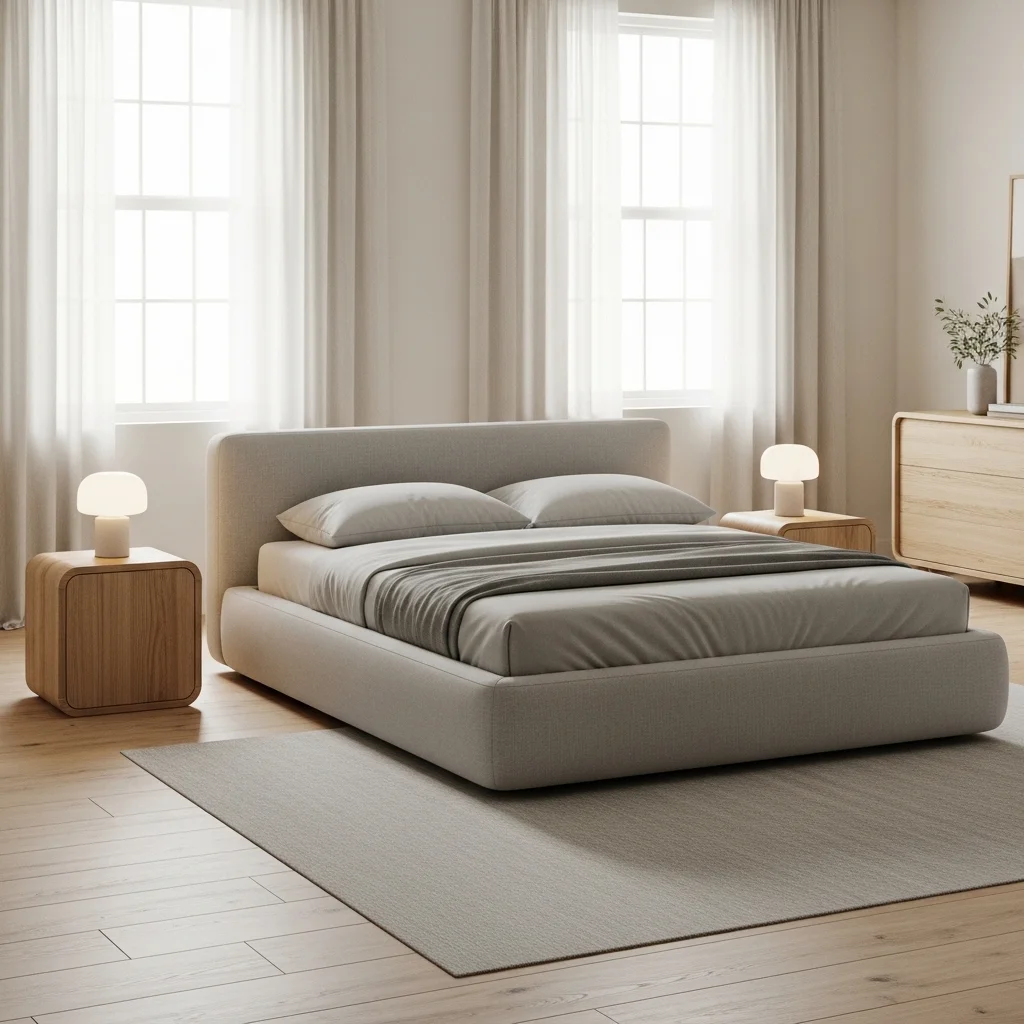
This might seem like an odd detail, but the physical style of your furniture affects the room’s energy. Low-profile bed frames, rounded edges on nightstands, furniture that doesn’t loom all of this contributes to a sense of spaciousness and calm.
High, bulky furniture can make a room feel cramped and enclosed. Sharp corners and angular designs create visual tension. You’re not consciously processing this most of the time, but your nervous system registers it.
I switched from a tall, ornate headboard to a simple upholstered platform bed, and the room immediately felt more open. The bed itself became less of a focal point and more of a comfortable element within the space. My nightstands are simple wooden cubes no legs, no ornate details, just functional surfaces at the right height.
This doesn’t mean everything has to be modern or minimalist. Vintage furniture often has wonderful soft curves and manageable proportions. It’s more about scale and visual weight than style period.
Also worth considering: furniture arrangement. I used to have my bed pushed into a corner because it seemed space-efficient. Moving it so I could access both sides (even in a small room) made it feel less like sleeping in a nook and more like an intentional, restful space. If you can position the bed where you see the door but aren’t directly in line with it, that’s ideal there’s something instinctively settling about being able to orient yourself when you wake up.
The Reality: It’s Not About Perfection
Here’s what I wish someone had told me when I started down this path: you don’t need to implement all of this at once, and your bedroom doesn’t need to look like a magazine spread.
I made changes gradually over about two years. Some things like the lighting and blackout curtains had immediate effects. Others were more subtle. Some experiments didn’t work for me at all (I tried sleeping without any pillow for a month after reading some article, and it was terrible).
The point is creating an environment that tells your body and mind: this is where you rest. That looks different for everyone. I know someone whose bedroom is painted deep charcoal gray with burgundy accents completely against conventional wisdom and she sleeps beautifully because those colors feel cozy and secure to her. I know someone else who needs complete silence and finds even white noise machines disruptive.
Start with what bothers you most. If you’re waking up with sun in your face, fix that first. If your room feels chaotic, address the clutter. If you’re temperature-sensitive, focus there.
And if your sleep issues are serious and persistent, talk to a doctor. Bedroom decor can’t fix sleep apnea, clinical insomnia, or other medical conditions. But for many of us dealing with general restlessness, trouble winding down, or sleep that’s just not as restorative as it should be, our environment plays a bigger role than we give it credit for.
My bedroom now is calm, dark, cool, and genuinely cozy in a way that makes me look forward to bedtime instead of dreading hours of staring at the ceiling. That’s worth every minute of effort and every dollar spent. Sleep well.